When homeowners think about improving their HVAC system, they often focus on equipment upgrades, thermostat settings, or maintenance schedules. Landscaping rarely enters the conversation. However, the trees, shrubs, mulch beds, fences, and other outdoor features surrounding your home can have a surprisingly large impact on system performance.
For many homeowners concerned about heating and cooling in Macomb, MI, landscaping decisions influence much more than curb appeal. The placement of vegetation around an outdoor unit can affect airflow, operating temperatures, energy consumption, and long-term equipment health. In some cases, thoughtful landscaping can support HVAC efficiency. In others, it can unintentionally create conditions that force the system to work harder throughout the year.
At S&P Heating, we often encounter situations where comfort or efficiency issues can be traced back to the outdoor conditions surrounding the equipment. Understanding the relationship between landscaping and HVAC performance can help homeowners make smarter decisions that support both comfort and efficiency.
Why the Outdoor Unit Needs More Than Just Open Space
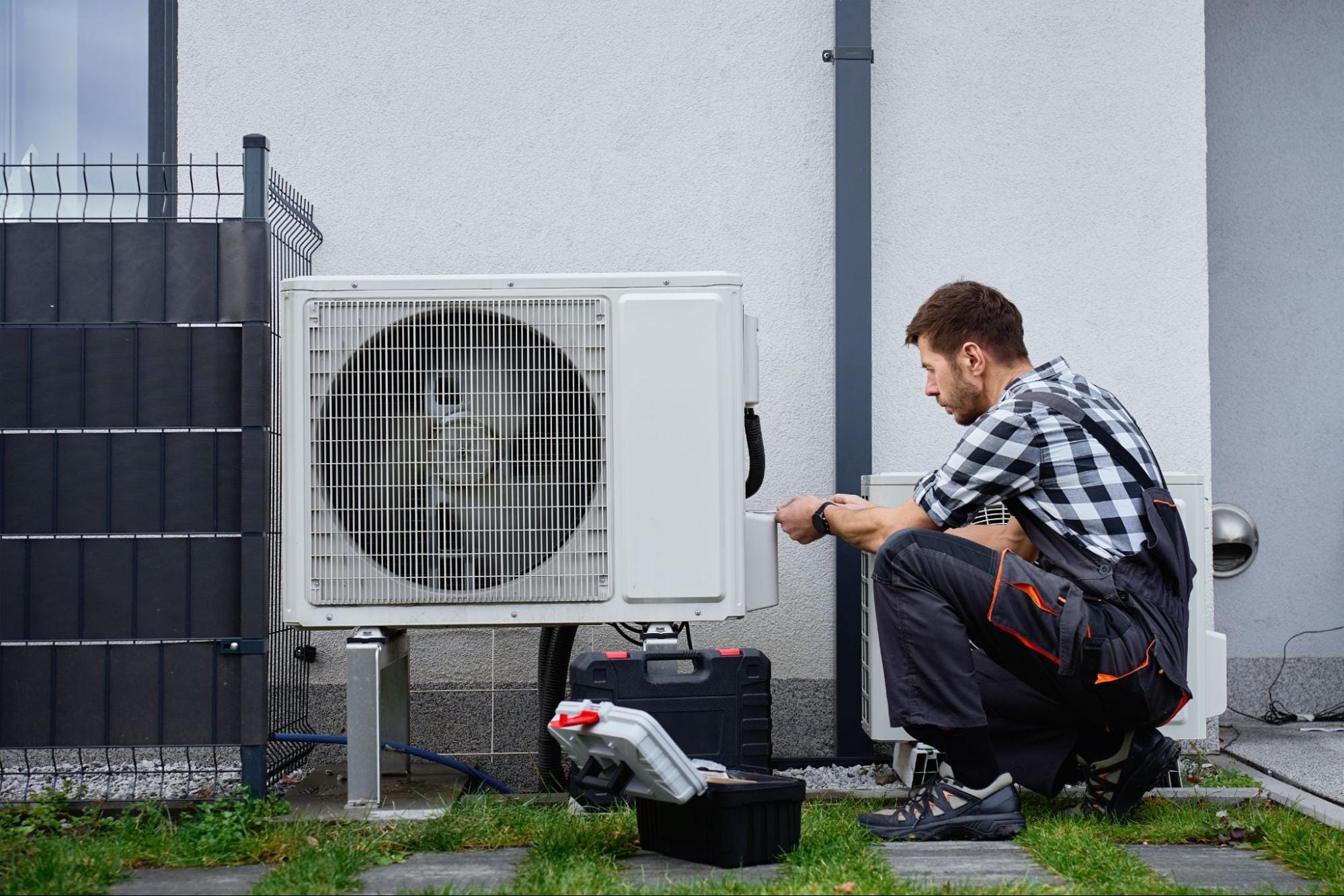
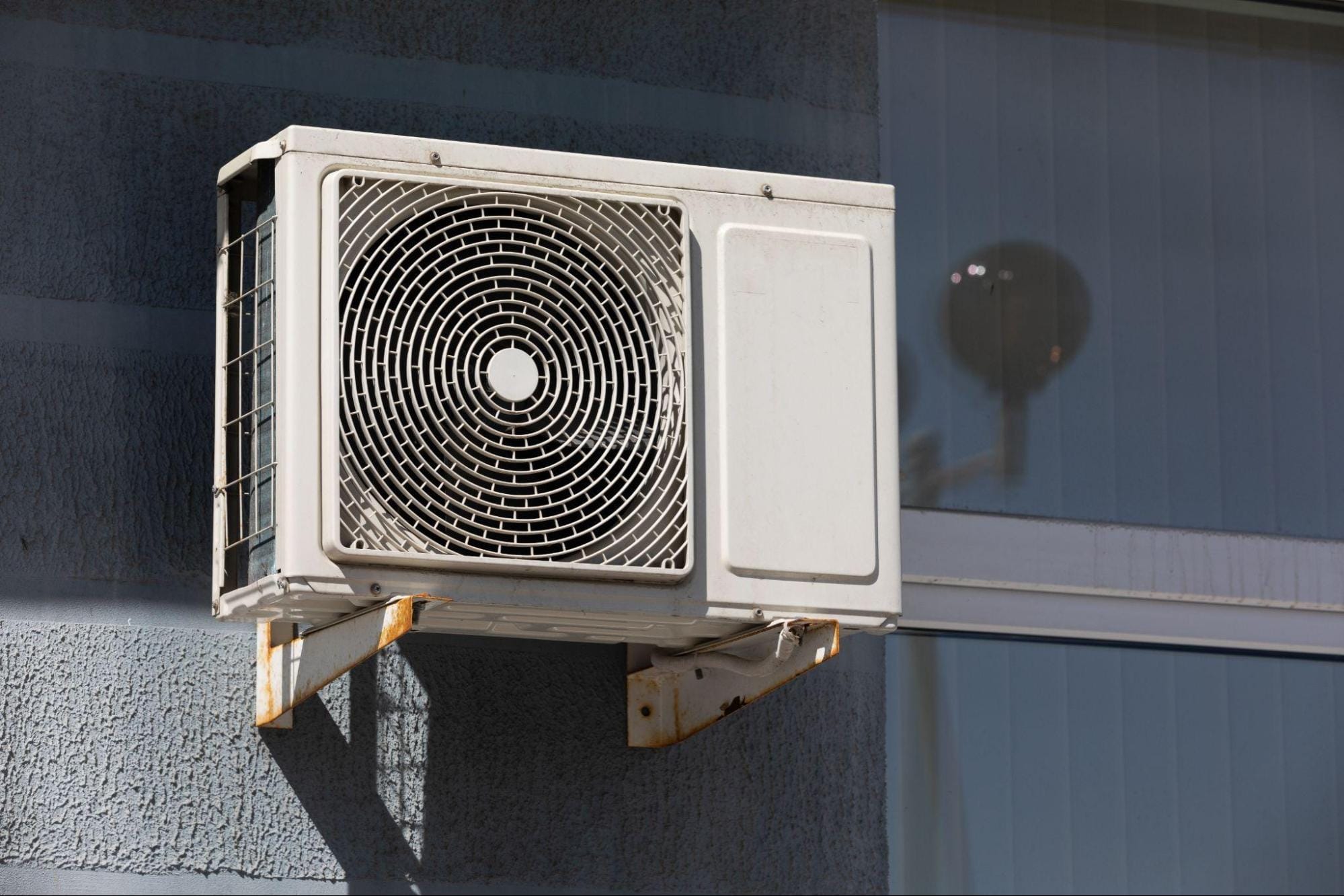
An air conditioner or heat pump works by transferring heat from inside the home to the outdoors. To accomplish this, the outdoor unit continuously draws air through the condenser coil, releasing heat into the surrounding environment.
This process depends heavily on unrestricted airflow. When shrubs, decorative fencing, or dense vegetation surround the equipment too closely, airflow becomes restricted. Reduced airflow forces the system to operate longer and work harder to achieve the same cooling results.
Industry recommendations often suggest maintaining adequate clearance around outdoor units. While exact distances vary by manufacturer, most systems benefit from several feet of open space surrounding the equipment to support proper operation and maintenance access.
How Shade Can Help or Hurt System Performance
One of the most debated topics in HVAC landscaping involves shade. Many homeowners have heard that placing an outdoor unit in a shaded area improves efficiency. While there is some truth to that idea, the reality is more nuanced.
Research from organizations such as the U.S. Department of Energy has shown that strategically placed shade can reduce the temperature surrounding an outdoor condenser. Cooler ambient air can help improve heat rejection and support energy-efficient cooling in Macomb, MI, during hot weather.
However, shade only helps when airflow remains unrestricted. A heavily shaded unit surrounded by dense vegetation may actually perform worse than a unit located in direct sunlight with excellent airflow. This is why discussions about shade and HVAC efficiency should always include airflow considerations.
What Happens When Plants Grow Too Close to Equipment?
Many landscaping installations look beautiful immediately after planting, but vegetation rarely stays the same size over time.
As shrubs, ornamental grasses, and other plants mature, they may gradually reduce AC condenser airflow without homeowners realizing it. Branches can extend into the unit’s operating space, leaves may accumulate around coils, and airflow paths can become partially blocked.
These restrictions can contribute to:
- Longer cooling cycles
- Increased energy use
- Higher operating temperatures
- Reduced system lifespan
- More frequent maintenance requirements
What begins as a small landscaping issue can eventually affect overall residential HVAC performance in Macomb, MI if ignored for long periods.
Heating and Cooling Macomb, MI: Why Airflow Around the Unit Matters
One of the most important concepts in outdoor HVAC design is heat rejection. Air conditioners and heat pumps continuously move heat outside the home. If that heat cannot dissipate efficiently, performance suffers.
For homeowners focused on heating and cooling Macomb, MI, this means outdoor airflow should be viewed as part of the overall HVAC system rather than simply an exterior concern. Trees, shrubs, decorative screens, and retaining walls can all influence how effectively heat leaves the equipment.
This becomes especially important during Michigan heat waves when cooling demand increases significantly. Systems operating under restricted airflow conditions often experience greater strain during peak-demand periods.
The Hidden Impact of Grass Clippings and Yard Debris
Landscaping affects HVAC systems in ways that extend beyond plant placement. Routine yard maintenance can also influence equipment performance.
Grass clippings, leaves, cottonwood seeds, mulch particles, and airborne debris frequently collect around outdoor units. Over time, this material may accumulate on condenser coils and restrict airflow.
Many homeowners unknowingly contribute to this problem when mowing around the unit. Repeated exposure to grass clippings can gradually reduce coil efficiency and create conditions that require professional cleaning.
Simple maintenance habits, such as directing mower discharge away from equipment and periodically clearing debris from the surrounding area, can help maintain better airflow throughout the cooling season.
Using Landscaping to Support Outdoor HVAC Unit Protection
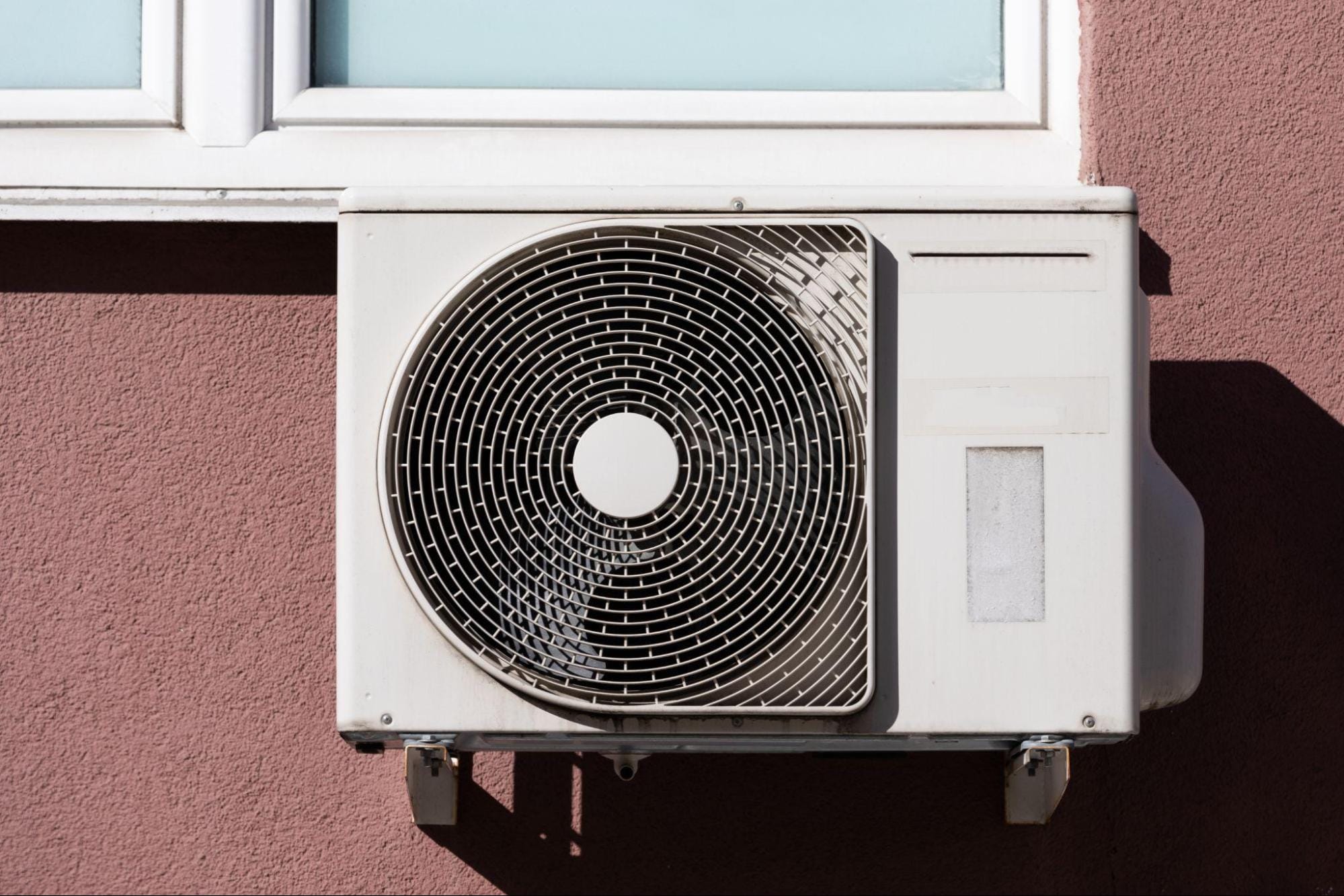
Thoughtful landscaping can provide benefits when properly planned.
For example, strategically positioned shrubs may help protect equipment from:
- Wind-driven debris
- Snow drifting
- Accidental impacts
- Excessive dust exposure
The key is to maintain sufficient distance between the vegetation and the equipment. Proper outdoor HVAC unit protection in Macomb MI balances protection with airflow.
Homeowners sometimes install decorative fencing or privacy screens around outdoor equipment for aesthetic reasons. These solutions can work well, provided they allow adequate ventilation and access for service.
Why Mulch Placement Matters More Than You Think
Mulch is often used around HVAC units because it reduces weed growth and creates a cleaner appearance. However, improper mulch placement can create problems.
Loose mulch may be pulled toward the unit during operation. Fine particles can accumulate on coils, reducing efficiency and increasing cleaning requirements.
In addition, excessive mulch buildup can trap moisture around the equipment. While occasional moisture exposure is expected, consistently damp conditions may contribute to corrosion over time. Maintaining a clean, stable surface around the unit often provides better long-term results than allowing mulch to accumulate directly against the equipment.
Trees Can Influence Indoor Comfort Too
Landscaping affects more than the HVAC equipment itself. Trees can significantly influence the thermal performance of the home.
According to research conducted by the U.S. Department of Energy, properly positioned shade trees may help reduce solar heat gain during summer months. Less solar heat entering the home means the cooling system has a smaller workload.
This indirect benefit often improves overall HVAC efficiency in Macomb, MI, by reducing cooling demand before the air conditioner even turns on. Deciduous trees are particularly valuable because they provide shade in summer while allowing sunlight to reach the home in winter, after the leaves fall.
Why Landscaping Can Affect Heating Performance as Well
Most homeowners associate landscaping with cooling efficiency, but outdoor conditions can also influence winter performance.
For homes using heat pumps, snow accumulation and drifting can affect airflow around outdoor equipment. Poorly placed fencing, walls, or landscaping features sometimes contribute to snow buildup near the unit.
Proper planning helps maintain adequate clearance around outdoor units year-round. Keeping airflow pathways open during winter supports efficient operation and reduces the likelihood of performance issues during cold weather.
The Relationship Between Landscaping and HVAC Maintenance
Landscaping choices can affect how frequently HVAC maintenance is required.
Units surrounded by heavy vegetation often accumulate:
- More leaves
- More pollen
- More organic debris
- More moisture
These conditions may increase cleaning requirements and make routine inspections more difficult. On the other hand, well-designed landscaping can improve accessibility while enhancing the property’s appearance. This balance supports both aesthetics and long-term system care.
Small Outdoor Changes Can Produce Long-Term Benefits
Many homeowners focus exclusively on equipment upgrades when trying to improve efficiency. While modern HVAC equipment certainly plays a major role, the surrounding environment matters as well.
Improving airflow, reducing debris accumulation, maintaining proper clearance, and using shade strategically can all contribute to better long-term performance. These changes often require less investment than equipment replacement while still supporting overall efficiency goals.
The most effective approach typically combines proper system maintenance with thoughtful landscaping decisions that support the equipment rather than compete against it.
Make Sure Your Landscaping Supports Your HVAC System
The way your yard is designed can influence comfort, efficiency, maintenance requirements, and equipment longevity. While landscaping is often viewed as a visual feature, it also plays a functional role in how heating and cooling systems operate throughout the year.
At S&P Heating, we help homeowners identify factors that may be affecting system performance, including airflow restrictions and outdoor conditions around HVAC equipment. Whether you’re planning a landscaping project or looking for ways to improve system efficiency, understanding the connection between your yard and your HVAC system can help you make more informed decisions.
If you’re looking to improve heating and cooling performance in Macomb, MI, and want to ensure your outdoor environment is helping, not hindering, your HVAC system, contact us today to schedule an evaluation.
FAQ
Can decorative rocks around an outdoor HVAC unit affect performance?
Decorative rock installations generally do not interfere with performance when installed properly. However, certain lightweight materials can shift during maintenance or severe weather, so it’s important to maintain clear airflow pathways around the equipment.
Do outdoor lighting systems affect HVAC equipment?
Most landscape lighting systems do not directly affect HVAC operation. However, improperly installed wiring or fixtures placed too close to service panels can occasionally create accessibility issues during maintenance and repairs.
Can wildlife attracted by landscaping damage HVAC systems?
Yes. Dense vegetation may attract rodents, insects, or other wildlife that sometimes nest near outdoor equipment. In some cases, animals can damage wiring, insulation, or internal components, creating repair issues that homeowners may not immediately notice.
See Why More Homeowners Are Rethinking Traditional HVAC Systems
In our next article, “Heat Pump Installation in Macomb MI: Why More Homeowners Are Switching From Traditional HVAC Systems,” we’ll explore why modern heat pump technology is becoming an increasingly popular choice for Michigan homeowners seeking year-round comfort and energy efficiency.