When most homeowners think about indoor comfort, temperature is usually the first thing that comes to mind. If the house feels too warm, the air conditioner runs. If it feels too cold, the furnace turns on. However, temperature is only one piece of the comfort puzzle. Humidity often plays an equally important role in how a home feels throughout the year.
For many homeowners seeking better heating and cooling solutions in Macomb, MI, humidity is a hidden factor that affects comfort every season. A home can technically be the right temperature and still feel uncomfortable because moisture levels are too high or too low. Excess humidity can make summer air feel sticky and heavy, while dry winter air can leave rooms feeling colder than they actually are.
At S&P Heating, we often talk with homeowners who are surprised to learn how much humidity affects daily comfort. Understanding how moisture levels influence your HVAC system and indoor environment can help you make better decisions about comfort, efficiency, and long-term system performance.
Why Humidity Matters More Than Most People Realize
Humidity refers to the amount of moisture present in the air. While outdoor humidity often gets attention during hot summer weather, indoor humidity can fluctuate year-round and affect comfort in several ways.
When humidity is too high, the air feels heavier. People may feel warmer even when indoor temperatures appear comfortable. On the other hand, when humidity drops too low, the air can feel dry and uncomfortable, leading to a completely different set of issues.
Achieving a healthy balance between temperature and moisture helps create a more pleasant living environment. That’s why many modern HVAC systems focus not only on temperature control but also on maintaining proper indoor air moisture levels year-round.
How High Humidity Affects Summer Comfort
Summer in Macomb often brings periods of heat and moisture. During these conditions, air conditioners work hard to cool the home while also removing excess humidity.
When indoor humidity rises, homeowners may notice:
- Rooms feeling sticky or damp
- Increased discomfort despite cool temperatures
- Condensation on windows
- Musty odors
- Increased strain on cooling equipment
This is one reason indoor humidity control solutions in Macomb, MI, have become increasingly important for homeowners. Even when the thermostat is set correctly, excessive humidity can make the home feel several degrees warmer than it actually is. As a result, people often lower the thermostat further, causing the air conditioner to run longer and increasing energy consumption.
The Relationship Between Humidity and Air Conditioning
Many people assume an air conditioner’s only job is cooling. In reality, part of the cooling process involves removing moisture from the air. As warm indoor air passes over the evaporator coil, moisture condenses and drains away. This helps improve the overall balance of humidity and temperature inside the home. However, several factors can reduce the system’s ability to control humidity effectively:
- Dirty air filters
- Airflow restrictions
- Oversized equipment
- Refrigerant issues
- Poor maintenance
When these problems occur, homeowners may notice that the house feels humid even though the air conditioner is running regularly.
Why Low Humidity Becomes a Winter Problem
While excess humidity creates challenges during summer, dry air often becomes the bigger concern during winter. As outdoor temperatures drop, indoor humidity levels frequently decrease. Furnaces heat the air, but they don’t naturally add moisture back into the home.
This can lead to:
- Dry skin
- Static electricity
- Irritated sinuses
- Dry eyes
- Cracking wood furniture
Many homeowners assume these issues are simply part of winter. However, they are often signs that indoor humidity levels have dropped below comfortable ranges. Proper whole-home humidity management strategies in Macomb, MI, can help address these concerns and improve overall comfort during the heating season.
How Humidity Impacts Energy Efficiency
Humidity doesn’t just affect comfort—it can also influence utility costs. When indoor air feels uncomfortable because of moisture imbalances, homeowners often adjust thermostat settings to compensate. During summer, they may lower temperatures further. During winter, they may increase heating settings because dry air makes the home feel cooler.
These adjustments can lead to:
- Longer HVAC runtime
- Increased energy consumption
- Higher utility bills
- Additional wear on equipment
Maintaining proper humidity levels helps create a more comfortable environment without constantly adjusting the thermostat.
Heating and Cooling Macomb, MI: Creating Better Indoor Comfort Year-Round
Many homeowners focus entirely on heating and cooling equipment while overlooking the role humidity plays in overall comfort. A complete comfort strategy often includes evaluating:
- Humidity levels
- Airflow throughout the home
- Ventilation performance
- Insulation quality
- HVAC system condition
This is where HVAC comfort solutions in Macomb MI become important. Rather than simply heating or cooling the home, modern comfort solutions address multiple factors that influence how the indoor environment feels. The goal is creating consistent comfort throughout every season instead of constantly chasing temperature adjustments.
How Home Design Influences Indoor Humidity
The structure of the home itself can affect moisture levels.
Factors such as:
- Basement conditions
- Crawl spaces
- Window quality
- Insulation levels
- Air leaks
all contribute to how humidity behaves indoors.
For example, homes with poor air sealing may experience large humidity swings because outside air enters more easily. Likewise, unfinished basements can contribute moisture that eventually spreads throughout the home. Because every home is different, humidity challenges often require individualized solutions.
Signs Your Home May Have a Humidity Problem
Many humidity-related issues develop gradually, making them easy to overlook.
Some common warning signs include:
- Persistent condensation on windows
- Musty smells
- Static shocks during winter
- Dry skin and irritated sinuses
- Excessive dust
- Rooms that feel uncomfortable despite normal temperatures
When these symptoms persist, humidity levels may be contributing more to discomfort than homeowners realize.
The Role of Ventilation in Moisture Control
Ventilation plays a major role in managing indoor air quality and humidity. Modern homes are often built to be more energy efficient, which reduces air leakage. While this improves efficiency, it can also trap moisture indoors if ventilation is insufficient.
Proper ventilation helps:
- Remove stale air
- Reduce excess moisture
- Improve air circulation
- Support healthier indoor environments
Balanced ventilation works alongside heating and cooling equipment to support better overall comfort.
Why Humidity Levels Change Throughout the Year
Outdoor weather conditions constantly influence humidity.
In spring and summer, rising temperatures often increase moisture levels. During fall and winter, colder air generally contains less moisture.
Because Michigan experiences significant seasonal changes, homeowners frequently deal with very different humidity conditions depending on the time of year.
This makes seasonal HVAC performance in Macomb, MI, an important consideration. HVAC systems must adapt not only to changing temperatures but also to changing moisture conditions throughout the year.
How Smart Technology Helps Manage Humidity
Many newer HVAC systems include technology that helps monitor and regulate indoor humidity more effectively.
Modern systems may offer:
- Smart thermostats
- Humidity sensors
- Variable-speed equipment
- Whole-home humidifiers
- Whole-home dehumidifiers
These tools allow homeowners to maintain more consistent comfort without constantly adjusting thermostat settings.
As technology continues advancing, humidity management is becoming a larger part of overall home comfort strategies.
The Long-Term Benefits of Proper Humidity Control
Maintaining balanced humidity levels offers benefits beyond day-to-day comfort.
Proper moisture management can help:
- Improve indoor comfort
- Reduce strain on HVAC equipment
- Support better indoor air quality
- Protect wood flooring and furniture
- Improve overall year-round home comfort
While temperature often gets the most attention, humidity control plays a significant role in how comfortable and efficient a home feels throughout the year.
Better Comfort Starts With More Than Temperature
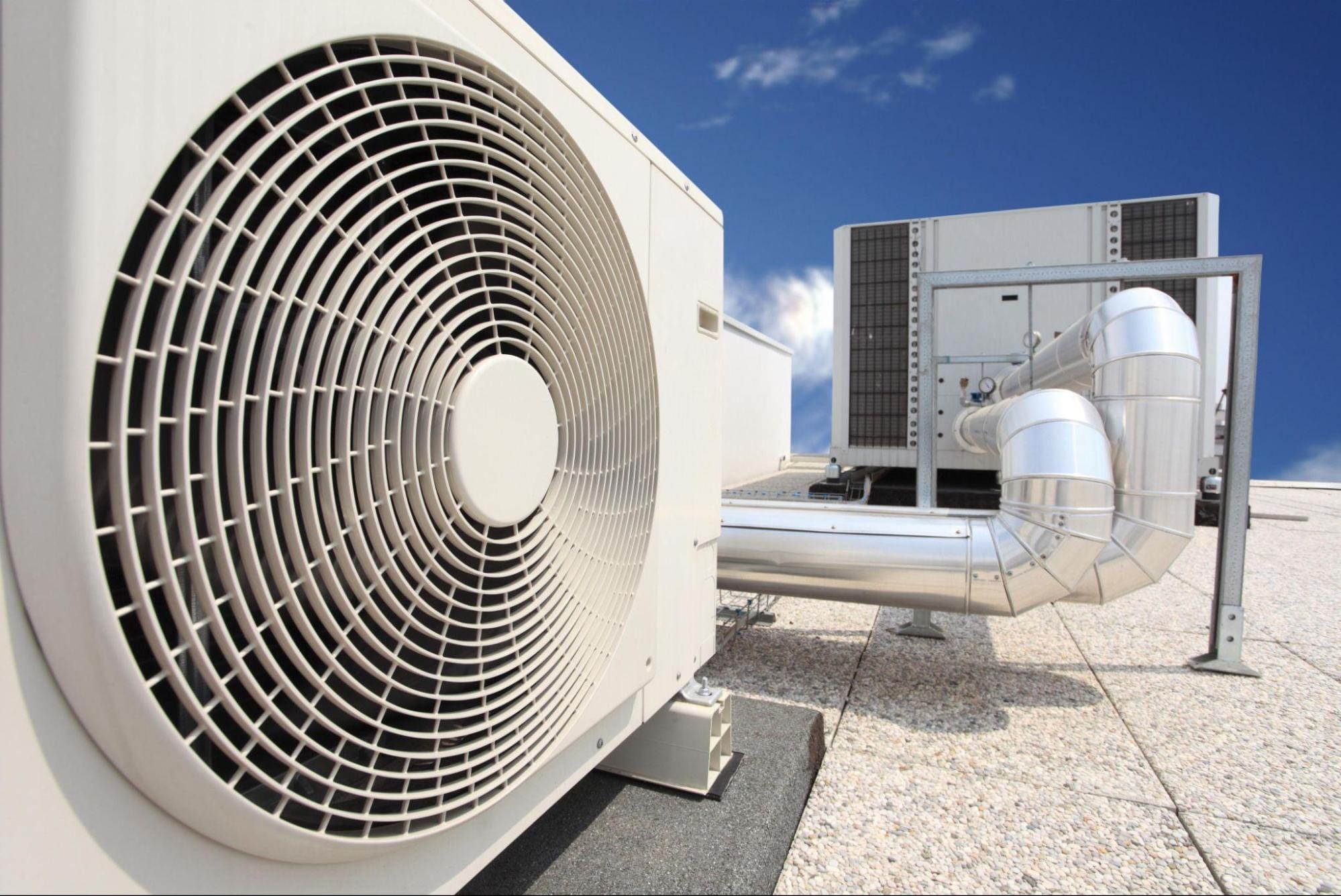
Many homeowners are surprised to learn how much humidity influences comfort, energy use, and HVAC performance. Whether moisture levels are too high during summer or too low during winter, humidity can affect how your home feels every day.
At S&P Heating, we help homeowners evaluate the factors that contribute to indoor comfort, including airflow, temperature control, and humidity management. Understanding how these elements work together can help create a healthier and more comfortable indoor environment throughout every season.
If you’re looking to improve heating and cooling in Macomb, MI, contact us today to learn more about solutions that address both temperature and humidity.
FAQ
Can cooking and showering significantly affect indoor humidity?
Yes. Everyday activities like cooking, showering, and even doing laundry release moisture into the air. In tightly sealed homes, that moisture can accumulate more quickly than many homeowners realize.
Does indoor humidity affect electronics?
It can. Extremely high humidity may contribute to corrosion over time, while very low humidity can increase static electricity. Maintaining balanced humidity levels helps create a more stable indoor environment for electronic devices.
Can houseplants change indoor humidity levels?
Yes. Plants naturally release moisture into the air through a process called transpiration. While a few plants typically won’t create major changes in humidity, large numbers of indoor plants can slightly increase indoor moisture levels.
Discover How Outdoor Conditions Affect HVAC Performance
In our next article, “Heating and Cooling in Macomb MI: How Landscaping Choices Can Affect HVAC Efficiency,” we’ll explore how trees, shrubs, shade, and outdoor design choices can affect HVAC performance and energy use year-round.