Your ductless system faces a very different job once Michigan trades warm afternoons for freezing winter temperatures. That’s why mini-split maintenance before heating season should focus on more than the same cleaning tasks you perform during summer. The outdoor unit must remain exposed to winter weather while extracting heat from cold outside air, and the indoor head needs enough airflow to distribute that heat effectively. At S&P Heating, we encourage you to prepare the complete system before cold weather puts it under heavier demand. A few targeted inspections can reveal drainage, airflow, electrical, or outdoor-unit problems while you still have time to correct them instead of discovering an issue on a freezing morning.
Winter Changes What Your Mini Split Has to Do
In cooling mode, your mini split absorbs heat indoors and transfers it outside. In heating mode, the outdoor unit absorbs available heat from outside air, and the refrigerant carries that energy indoors.
That means the outdoor equipment remains essential even when temperatures drop below freezing. Cold-climate heat pumps are designed specifically to operate at low outdoor temperatures, but available heating capacity and efficiency vary by equipment and conditions. Preparing the system for winter is therefore about helping your particular equipment operate within the conditions it was designed to handle.
Start Your Mini Split Winter Preparation Outside
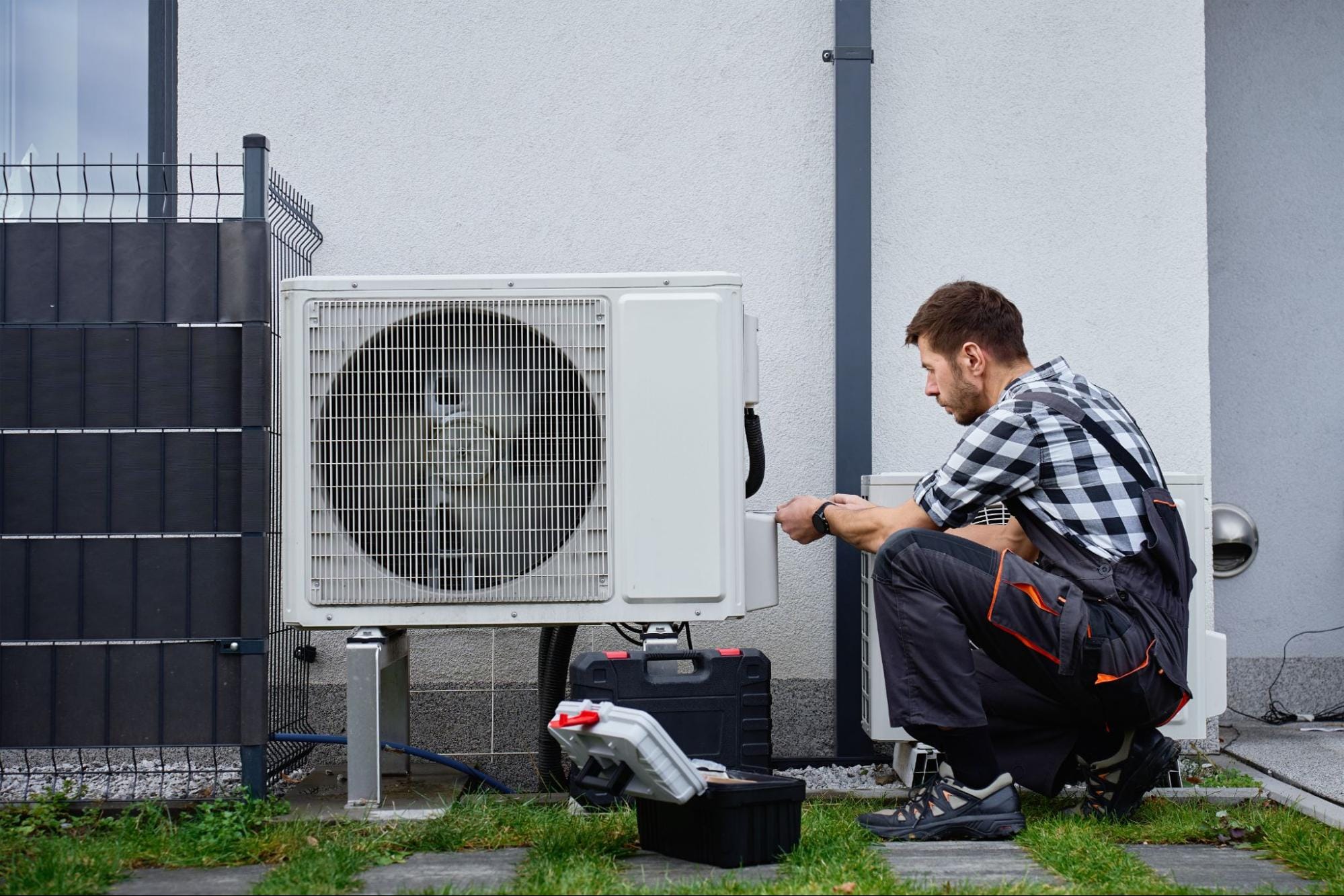
Leaves, weeds, grass clippings, and other debris can accumulate around an outdoor unit throughout summer and fall. Snow introduces another concern because the unit still needs unobstructed airflow while operating in heating mode.
Your mini-split winter preparation should include a visual check of the outdoor equipment before the first significant snowfall. Look for obvious debris around the coil, vegetation growing too close to the cabinet, damaged panels, or anything else that could interfere with airflow.
Once winter arrives, continue checking the unit after heavy snow or drifting conditions. You don’t need to dismantle the equipment; the goal is simply to prevent snowbanks, leaves, and other obstructions from surrounding the unit and limiting its ability to move outdoor air.
That Strange Winter Shutdown May Actually Be a Defrost Cycle
Seeing the outdoor fan stop or noticing steam around the equipment during winter can look alarming if you’ve never watched a heat pump operate in cold weather. In certain conditions, frost naturally develops on the outdoor coil as the system extracts heat from cold air.
Heat pumps compensate by periodically entering a defrost cycle. The system temporarily reverses operation so refrigerant can warm the outdoor coil and melt accumulated frost before returning to normal heating.
A brief defrost cycle is therefore different from an outdoor unit becoming encased in persistent ice. If heavy ice remains, defrost cycles become unusually frequent, or heating performance changes noticeably, an inspection can determine whether drainage, controls, sensors, airflow, or another component needs attention.
Give Meltwater Somewhere to Go
Defrosting produces water, and that water needs to drain away from the outdoor equipment. If it repeatedly freezes beneath or around the unit, ice can accumulate and interfere with operation.
During winter mini-split maintenance, pay attention to the base of the outdoor unit and the surrounding ground. Proper mounting and drainage become especially important in snowy climates because the equipment needs adequate clearance above expected snow accumulation and room for defrost water to escape.
Don’t chip ice from coils or internal components with sharp tools. Heat exchanger fins and refrigerant components can be damaged surprisingly easily, turning an ice concern into a much more expensive repair.
Clean Indoor Filters Still Matter in January
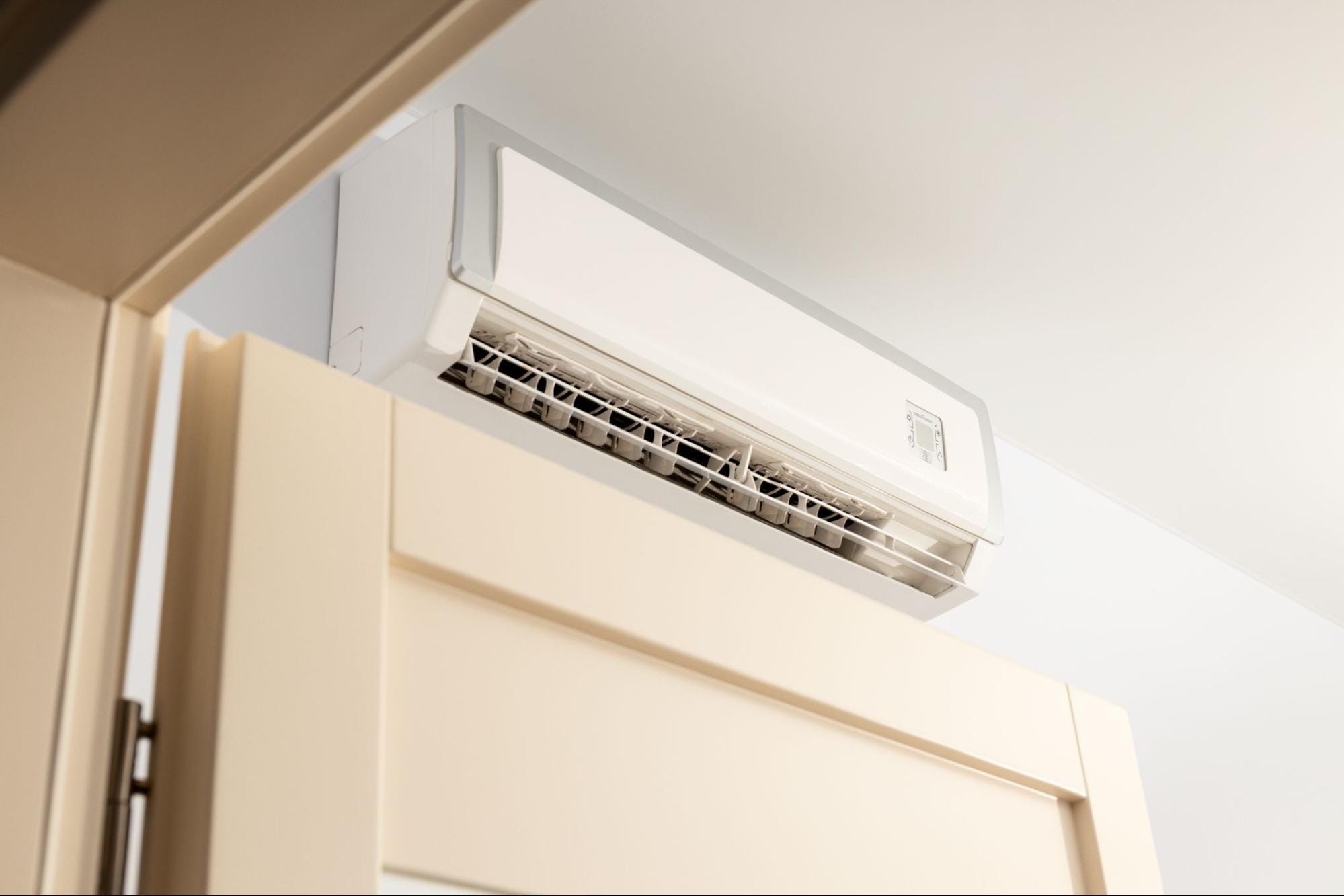
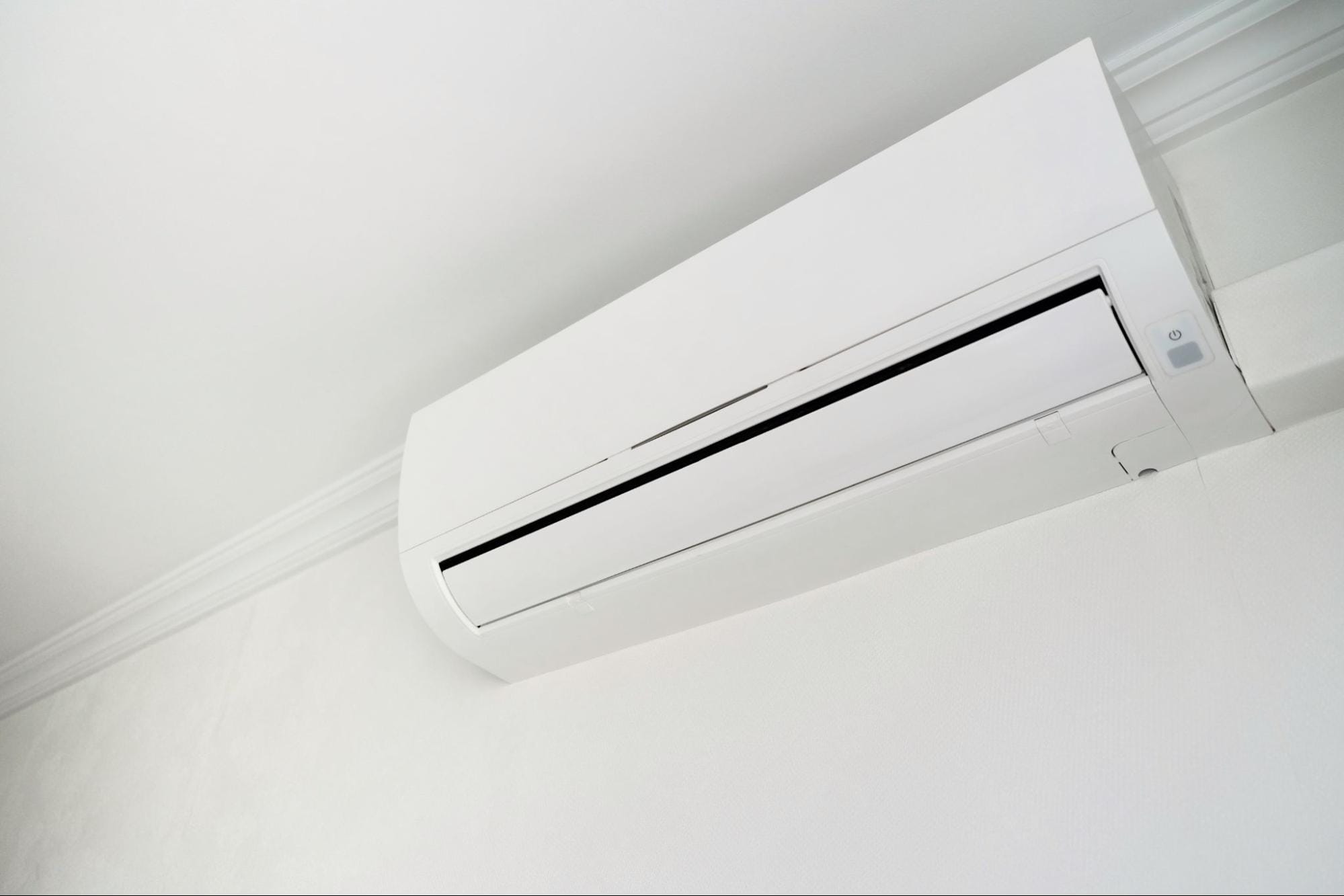
Winter preparation isn’t limited to the outdoor unit. Your indoor head needs unrestricted airflow to transfer heat into the room, and dirty filters can reduce the amount of air passing through the equipment.
You can handle several basic tasks before heating season begins:
- Remove and clean reusable filters according to manufacturer instructions.
- Check the air outlet for visible dust or obstructions.
- Move furniture or curtains that interfere with discharge airflow.
- Confirm that the remote or wall controller responds properly.
- Run the system in heating mode before consistently cold weather arrives.
- Listen for new rattling, grinding, or other unusual operating sounds.
Testing early is particularly useful. Finding out that the system isn’t heating correctly on a mild fall afternoon gives you considerably more flexibility than discovering the same problem after temperatures fall below freezing.
Cold-Weather Performance Starts With the Right Expectations
Heat pumps don’t necessarily deliver air that feels identical to the blast produced by a conventional furnace. Depending on the equipment and operating conditions, a mini split may provide steady heating over longer cycles rather than repeatedly delivering short bursts of very hot air.
Understanding normal mini-split cold-weather performance helps you distinguish different operation from poor operation. If the room reaches and maintains the temperature you’ve selected, longer heating cycles may simply reflect how the system is designed to work.
Performance specifications also matter. Different mini-split models have different low-temperature operating limits and heating capacities, so the owner’s manual or manufacturer data for your specific equipment provides more useful information than a universal temperature rule.
Don’t Wait for the First Freeze to Test Heating Mode
your mini split primarily cools during summer, months may pass without you asking it to provide heat. Fall gives you a useful window to test the other half of the system before winter arrives.
Switch the unit to heating mode and allow it enough time to respond, since heat pumps may not immediately produce warm air after a mode change. Confirm that the indoor unit begins heating, the fan operates normally, and the room temperature responds appropriately.
If you notice repeated error codes, poor heating output, unusual noises, or an outdoor unit that doesn’t operate as expected, scheduling mini-split heating maintenance before severe weather gives you time to diagnose the cause without the urgency of a midwinter no-heat situation.
A Professional Inspection Goes BeyondIf What You Can See
You can clean filters and keep the outdoor equipment clear, but several important checks require tools, training, or access to components you shouldn’t dismantle yourself. This is where ductless heat pump maintenance adds value.
Depending on the equipment and its condition, a technician may evaluate electrical connections, controls, coil condition, blower operation, refrigerant-system performance, drainage, and the transition between operating modes. The objective is to identify anything that could interfere with reliable heating before winter demand peaks.
A contractor can also compare observed operation with manufacturer specifications. That distinction matters because a symptom that appears unusual to you may be completely normal for one system but indicate a problem on another.
Don’t Automatically Assume Low Refrigerant Is the Problem
If heating performance declines, refrigerant sometimes gets blamed immediately. However, refrigerant isn’t a consumable that should routinely disappear from a properly sealed system.
Low refrigerant generally indicates a leak or another problem requiring diagnosis rather than a seasonal need to “top off” the system. Poor heating can also originate from dirty components, airflow problems, sensors, controls, electrical faults, or operating conditions outside the equipment’s capabilities.
Proper diagnosis prevents unnecessary guesswork. Instead of replacing or adjusting components based solely on symptoms, testing can identify what is actually interfering with operation.
Your Backup-Heat Plan Depends on Your System
Not every home uses a mini split in the same way. Your ductless system may be the primary heat source, serve only certain rooms, or operate alongside another heating system during extremely cold conditions.
Before winter, understand how your particular setup is intended to work. If another heat source supplements the mini split, test that equipment separately rather than assuming it will work when temperatures suddenly drop.
If the ductless system is your primary source of heat, knowing its rated operating range becomes even more important. Your winter strategy should reflect the equipment installed in your home rather than general assumptions about all heat pumps.
Give Your Mini Split a Head Start on Winter

Preparing a ductless system for cold weather doesn’t require waiting until snow starts falling. Fall is the better time to clean filters, inspect the outdoor unit, test heating mode, and investigate performance changes that could become more disruptive once the system begins running every day.
At S&P Heating, we can inspect your ductless equipment and check the components responsible for reliable winter operation. If you haven’t tested heating mode since last winter or you’ve noticed unusual noises, icing, airflow changes, or reduced heating performance, a pre-season visit can help determine what needs attention.
Schedule mini-split maintenance before winter to give your system the preparation it needs for dependable cold-weather heating.
FAQ
Should I change my mini-split’s temperature setting when leaving for a winter vacation?
You may be able to reduce the setting rather than turning the system off completely, but the appropriate temperature depends on your home, plumbing exposure, pets, plants, and other conditions. Check manufacturer guidance and consider what minimum indoor temperature your house needs while you’re away.
Can I build a roof or cover over my outdoor mini-split unit for winter?
Some installations may use manufacturer-approved protection from falling snow or ice, but an enclosure that restricts airflow can interfere with operation. Before adding a cover, shelter, or homemade structure, confirm the required clearances for your specific outdoor unit and avoid blocking its intake or discharge.
Does a mini split need to warm up before producing heat on a cold morning?
A short delay can be normal. Some systems temporarily limit indoor fan operation during startup so they don’t blow noticeably cool air into the room before the coil warms. Persistent delays, error codes, or failure to produce heat deserve further investigation.
When Heating Starts and Stops Too Soon
Continue with “Furnace Repair for Short Cycling: What Makes Your System Shut Down Too Soon?” to learn why a furnace may repeatedly start and stop—and what those unusually short heating cycles could be telling you.