Your furnace is supposed to run long enough to warm your home before shutting down and waiting for the next call for heat. When furnace repair becomes necessary because those cycles suddenly last only a few minutes, the underlying problem can range from restricted airflow to a malfunctioning control or an improperly sized system. Short cycling isn’t a diagnosis by itself; it’s a symptom that tells you something is interrupting normal operation. At S&P Heating, we recommend paying attention to changes in your furnace’s normal rhythm instead of waiting for complete heating loss. Recognizing what short cycling looks like and understanding its possible causes can help you explain the problem clearly when it’s time for a professional diagnosis.
First, What Does Furnace Short Cycling Actually Look Like?
Your furnace naturally cycles on and off throughout the day, so hearing it stop isn’t automatically a concern. The length and frequency of normal heating cycles change with outdoor temperature, thermostat settings, insulation, furnace capacity, and the amount of heat your home is losing.
Furnace short cycling is different. The system starts, operates briefly, shuts down before completing what appears to be a normal heating cycle, and then starts again relatively soon. You may also notice that rooms never quite reach the temperature you selected despite all that starting and stopping.
There isn’t one universal number of minutes that separates a normal cycle from a short one. What matters more is a noticeable change from your system’s usual behavior or repeated shutdowns that prevent it from maintaining comfortable temperatures.
Start With the Simplest Possibility: Airflow
Restricted airflow is one of the first areas worth investigating when a furnace repeatedly shuts down. Your system needs to move a specific volume of air across the heat exchanger to carry generated heat into your rooms.
A clogged filter can reduce that airflow. So can blocked return grilles, closed supply registers, dirty blower components, or restrictions elsewhere in the duct system.
When airflow drops too far, heat can accumulate inside the furnace faster than the blower can remove it. The furnace’s safety controls may then shut the burners down to protect the equipment from excessive temperatures.
Before assuming you have a failed component, check the filter and make sure accessible registers aren’t accidentally blocked by furniture, rugs, boxes, or other household items.
When Furnace Overheating Triggers a Safety Shutdown
A furnace that gets too hot isn’t supposed to continue firing indefinitely. Safety controls monitor operating temperatures and can interrupt burner operation when temperatures exceed acceptable limits.
This can create a confusing pattern. The burners shut down, the equipment cools, and the furnace may attempt another heating cycle shortly afterward. From your perspective, it looks like the system simply can’t decide whether it wants to stay on.
Repeated overheating deserves professional attention because replacing or resetting a safety device doesn’t automatically correct the condition that triggered it. Restricted airflow, blower problems, dirty components, or other operating issues may be responsible for the excessive temperature.
Your Thermostat Can Create a Completely Different Kind of Short Cycle
Not every short cycle begins inside the furnace. The thermostat determines when your home needs heat, so inaccurate temperature readings or control problems can produce irregular operation even when the heating equipment itself is capable of running normally.
Location matters, too. A thermostat exposed to direct sunlight, a nearby supply register, an exterior draft, or another localized temperature influence may read conditions that don’t accurately represent the rest of your home.
If your furnace keeps turning on and off, pay attention to what the thermostat displays when those cycles occur. A technician can compare the thermostat’s behavior with furnace operation and determine whether the heating call itself is being interrupted.
An Oversized Furnace Can Heat Too Quickly for Its Own Good
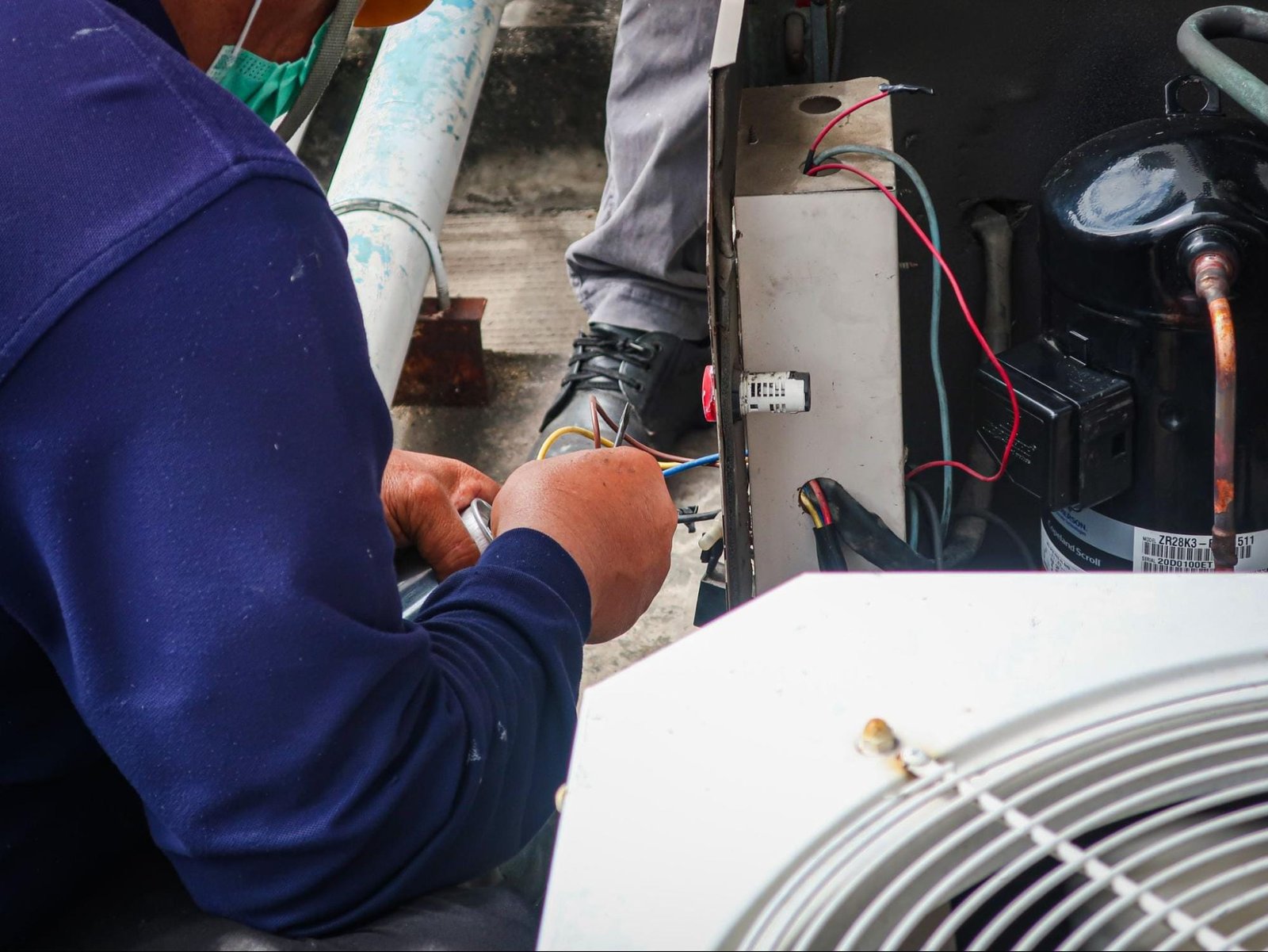
Bigger isn’t automatically better when it comes to heating equipment. A furnace should be sized according to the home’s heating load rather than selected simply because a higher-capacity model seems more powerful.
An oversized furnace can raise the temperature near the thermostat quickly, satisfy the heating call, and shut down before heat has been distributed evenly throughout the home. The house then cools, the thermostat calls for heat again, and another short cycle begins.
This kind of problem is different from a dirty filter or failed switch because there isn’t necessarily a broken component to replace. Diagnosing it may require evaluating equipment capacity, ductwork, airflow, and the home’s actual heating requirements.
Watch the Sequence, Not Just the Shutdown
One useful clue is when the furnace stops during its operating sequence. You don’t need to open the cabinet or perform your own electrical testing to make a few basic observations.
Consider what you notice:
- Does the furnace attempt ignition but fail to establish a flame?
- Do the burners operate briefly before shutting down?
- Does the blower continue after the burners stop?
- Does the thermostat still show a call for heat?
- Does the furnace restart almost immediately?
- Does the problem become worse during particularly cold weather?
These observations can give a technician valuable context. Saying your furnace shuts off too soon is useful, but explaining exactly what happens before and after the shutdown can make the diagnostic process more focused.
Flame-Sensing Problems Can Stop a Heating Cycle Early
A gas furnace includes safeguards designed to confirm that ignition occurred properly. One of these is the flame sensor, which verifies that the burners have established a flame when the gas valve opens.
If the sensor becomes contaminated or fails to detect the flame correctly, the furnace may shut off the gas supply even though ignition initially occurred. The result can look like short cycling because the burners light and then stop shortly afterward.
Cleaning or replacing a flame sensor is different from correcting an airflow-related shutdown, which is why accurately identifying the stage at which the furnace stops matters.
Don’t Keep Resetting a Furnace That Wants to Shut Down
Turning the thermostat off and back on or cycling furnace power may occasionally clear a temporary fault, but repeated resets aren’t a repair strategy. Modern furnaces intentionally stop operating when certain controls detect conditions that fall outside normal parameters.
If resetting the system temporarily restores heat before the same problem returns, treat that pattern as useful diagnostic information. The shutdown may be protecting the equipment from a condition that still exists.
Continuing to force repeated restarts can also make it harder to understand the original fault. Write down any error code you can safely see and leave internal testing to a qualified technician.
Short Cycling Can Cost You Even Before the Furnace Completely Fails
Repeated starts and stops place different demands on equipment than a normal, steady heating cycle. Ignition components, motors, switches, and other parts must repeatedly move through their startup and shutdown sequences.
Comfort can suffer as well. Short cycles may warm the area around the thermostat without giving the system enough time to distribute heat evenly to rooms farther away.
If short cycling continues, diagnosing the cause is more useful than simply accepting the extra cycling as an annoyance. Proper furnace short cycling repair focuses on the reason the cycle is ending prematurely rather than treating repeated shutdowns as the problem itself.
Give Your Furnace Enough Time to Finish the Job
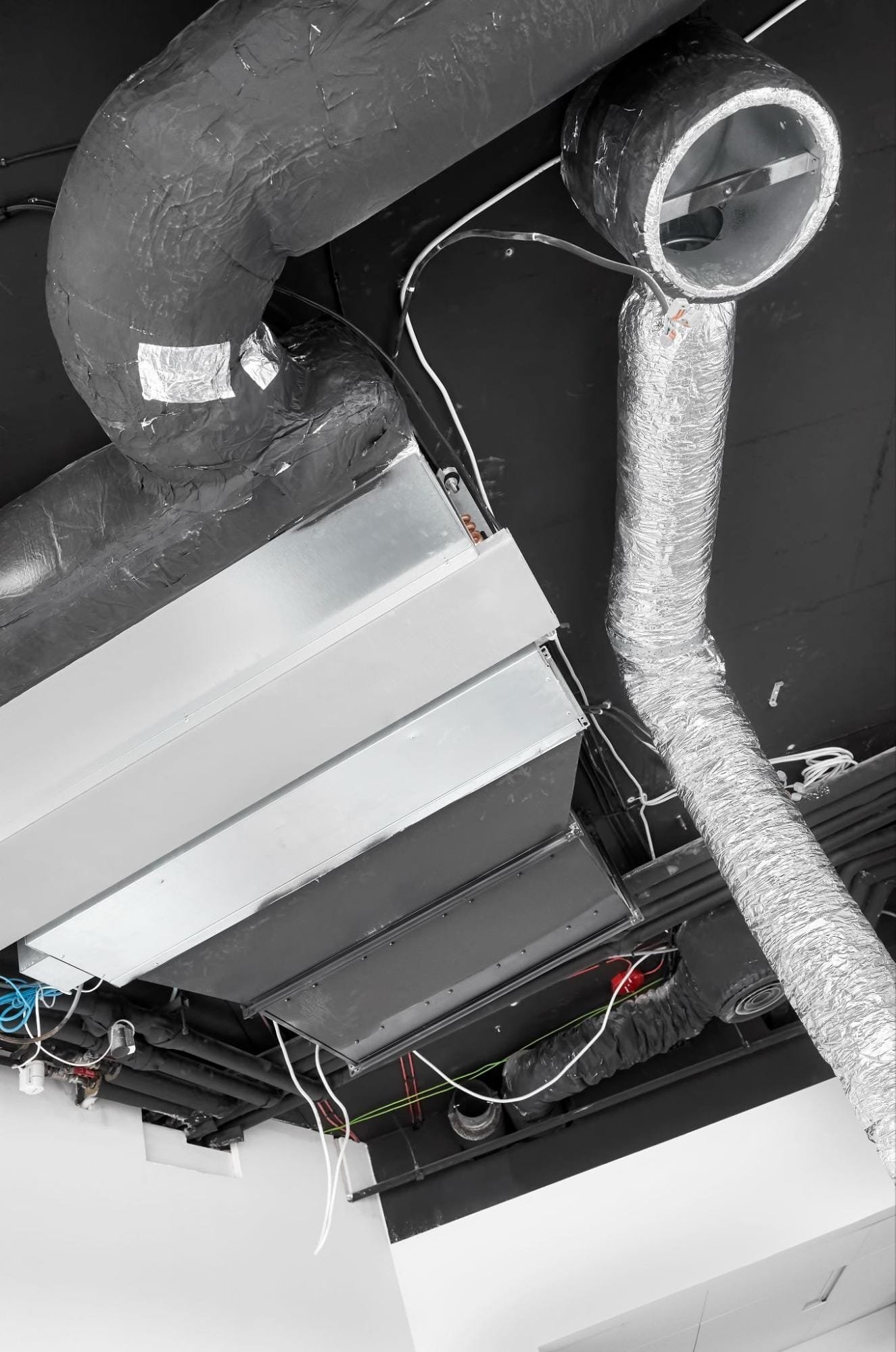
A furnace that repeatedly starts and stops isn’t necessarily headed for complete failure, but a new cycling pattern deserves attention. Catching the problem early can help you correct airflow restrictions, control issues, ignition problems, or other faults before winter places even greater demand on the equipment.
At S&P Heating, we can evaluate your heating cycle, test the appropriate components, and determine why your furnace isn’t staying on as expected. If you’re hearing frequent startups, experiencing uneven temperatures, or watching the system shut down before your home reaches the thermostat setting, professional diagnosis can take the guesswork out of the problem.
Schedule furnace repair with our team to identify the cause of short cycling and get your heating system back to completing normal, dependable heating cycles.
FAQ
Can closing bedroom doors cause furnace cycling problems?
It can affect airflow in some homes, particularly when closed rooms lack adequate return-air pathways. Whether that becomes significant enough to influence furnace operation depends on the duct design and system. If cycling changes noticeably when several doors are closed, an airflow evaluation can provide more useful answers.
Does changing the thermostat temperature several times a day damage a furnace?
Normal thermostat adjustments shouldn’t damage properly operating equipment. However, repeatedly making large temperature changes may alter how frequently the system runs. A programmable or smart thermostat can automate temperature changes if your household follows a predictable schedule, reducing the need for constant manual adjustments.
Can strong winds affect how a furnace operates?
Certain venting problems may become more noticeable during unusual weather, particularly with combustion equipment that relies on properly functioning intake and exhaust systems. If your furnace behaves differently during high winds, don’t modify the venting yourself; have the installation and termination points professionally evaluated.
Next Up: When Ignition Takes Too Long
Short cycling isn’t the only startup behavior worth watching. Continue with “Why Delayed Ignition Can Turn Into a More Serious Furnace Repair Problem” to learn what happens when a furnace doesn’t ignite when it should and why a delayed burner startup deserves attention.