For decades, many Michigan homes relied on a familiar combination: a furnace for winter and an air conditioner for summer. While that setup still exists in many households today, changing technology, rising energy costs, and evolving homeowner priorities are leading more people to explore alternatives. One option that continues to gain attention is heat pump installation in Macomb, MI, which homeowners are increasingly considering for year-round comfort.
Modern heat pump technology has improved dramatically over the past decade. Systems that once struggled in northern climates are now designed specifically to operate efficiently in colder regions, including Michigan. As a result, many homeowners are discovering that heat pumps offer more than just heating and cooling—they provide flexibility, efficiency, and comfort in a single system.
At S&P Heating, we’ve seen growing interest from homeowners who want to understand how heat pumps compare to traditional HVAC equipment. While every home is different, the reasons behind this growing shift reveal a lot about how residential comfort systems are evolving.
Why Today’s Heat Pumps Are Different From Earlier Models
One reason heat pumps are becoming more common is that many people are still judging them based on older technology.
Years ago, heat pumps often faced criticism in colder climates because their performance dropped significantly as temperatures fell. Modern manufacturers have spent years addressing this challenge. Today’s systems use advanced compressors, variable-speed technology, and enhanced refrigerant management systems that allow them to perform much more effectively during Michigan winters.
Many of the latest cold-climate heat pumps Macomb, MI, homeowners install are specifically engineered to continue delivering heat even when outdoor temperatures drop well below freezing. Some models can maintain substantial heating output at temperatures that would have challenged earlier generations of equipment.
This evolution has changed the conversation considerably. Instead of being viewed as a warm-climate option, heat pumps are increasingly being considered a practical solution for northern states.
Understanding How Heat Pumps Actually Work
Part of the growing interest in heat pumps comes from their unique approach to heating and cooling.
Traditional furnaces generate heat through combustion or electric resistance. Heat pumps operate differently. Rather than creating heat, they move heat from one location to another. During winter, they extract available heat energy from outdoor air and transfer it indoors. During summer, the process reverses, and the system removes heat from the home.
This process creates what industry professionals often describe as dual heating and cooling capability. Instead of relying on separate pieces of equipment for different seasons, a heat pump performs both functions with a single integrated system.
Because heat transfer generally requires less energy than generating heat directly, heat pumps can often operate with impressive efficiency under the right conditions.
Heat Pump Installation Macomb MI: Why Energy Efficiency Is Driving Interest
Energy efficiency remains one of the biggest reasons homeowners explore heat pumps.
According to information published by the U.S. Department of Energy, heat pumps can provide significantly greater efficiency than many traditional electric heating systems because they transfer heat rather than generate it. Depending on equipment type and operating conditions, this approach can reduce energy consumption compared to certain conventional systems.
This potential for heat pump energy savings appeals to homeowners looking to reduce long-term operating costs. While actual savings vary depending on utility rates, home insulation, equipment sizing, and usage patterns, efficiency remains one of the primary factors driving adoption.
As energy prices continue fluctuating, many homeowners are evaluating systems based not only on purchase price but also on long-term operating performance.
How Electrification Is Influencing HVAC Decisions
Another factor contributing to increased interest involves the broader trend toward electrification.
Across the country, homeowners are paying closer attention to how their homes use energy. As a result, many people in Macomb, MI, are researching electric heating solutions that reduce reliance on fossil fuels while maintaining reliable comfort.
Heat pumps fit naturally into that discussion because they operate using electricity rather than fuel combustion. For homeowners already considering solar energy systems, battery storage, or other energy-related upgrades, heat pumps often become part of a larger conversation about home efficiency.
This doesn’t mean heat pumps are automatically the best solution for every property. However, they provide another option that many homeowners find attractive when evaluating future HVAC investments.
Why Comfort Improvements Matter Just as Much as Efficiency
Energy savings often receive the most attention, but comfort improvements are frequently among the biggest benefits homeowners notice after installation.
Many traditional HVAC systems operate in an all-or-nothing fashion. The equipment turns on, delivers heating or cooling at full capacity, then shuts off once the target temperature is reached.
Many modern heat pumps utilize inverter-driven compressors that continuously adjust output. Instead of repeatedly cycling on and off, the system can operate at lower speeds for longer periods. This helps create more stable indoor temperatures and often reduces noticeable temperature swings.
For homeowners seeking modern HVAC systems in Macomb MI, this more consistent operation can contribute to a more comfortable indoor environment throughout the year.
Why Cold Weather Performance Has Changed the Conversation
For years, one of the biggest concerns homeowners had about heat pumps was winter performance. That concern was understandable because earlier systems often relied heavily on backup heating when temperatures dropped significantly.
Today’s cold-weather heat pump technology has changed that perception. Manufacturers such as Bryant and Midea have developed systems specifically designed for northern climates. These units use variable-speed compressors and advanced controls that enable them to continue operating efficiently in conditions once considered challenging for heat pumps.
This improvement has led many homeowners to take a second look at heat pump systems. Instead of viewing them as a compromise, many now see them as a realistic year-round comfort solution.
Heat Pump Installation Macomb MI: Determining Whether Your Home Is a Good Candidate
Not every home has the same heating and cooling needs. Before moving forward with a heat pump installation in Macomb, MI, it is important to evaluate several factors that influence performance.
The home’s insulation levels play a major role. Well-insulated homes typically retain conditioned air more effectively, allowing heat pumps to operate more efficiently. Air leakage, window quality, and ductwork condition also affect overall performance.
System sizing is equally important. Oversized equipment can create comfort issues, while undersized equipment may struggle during periods of peak demand. A proper load calculation helps ensure the system is matched appropriately to the home.
Because of these factors, successful heat pump installations often begin with a thorough evaluation rather than simply selecting equipment based on square footage alone.
How Heat Pumps Support More Consistent Indoor Comfort
Many homeowners notice comfort improvements that go beyond utility savings.
Because many modern heat pumps operate at variable capacity, they often deliver more gradual and consistent heating and cooling. Instead of producing noticeable temperature swings between cycles, the system continuously adjusts output to match demand.
This can help reduce common complaints such as:
- Hot and cold spots throughout the home
- Temperature fluctuations
- Excessive cycling
- Uneven comfort between rooms
These benefits are often most noticeable in spring and fall, when outdoor temperatures change frequently throughout the day.
Why Installation Quality Matters as Much as Equipment Quality
Even the most advanced heat pump will struggle if installation quality is poor. Proper refrigerant charging, airflow verification, electrical setup, and equipment sizing all influence long-term performance. Small installation errors can affect efficiency, comfort, and reliability for years after the system is installed.
This is one reason homeowners should view installation as more than simply placing equipment inside and outside the home. A well-designed installation helps ensure the system performs as intended.
As heat pumps become more advanced, proper commissioning and setup become even more important.
Looking Beyond Initial Purchase Price
Many homeowners naturally focus on installation costs when comparing HVAC systems. While upfront investment matters, long-term operating costs often play an equally important role.
When evaluating options, homeowners may want to consider:
- Expected energy consumption
- Equipment lifespan
- Maintenance requirements
- Utility costs
- Comfort improvements
- Potential future upgrades
A system that costs more initially may provide benefits over time through improved efficiency and year-round performance. Taking a broader view of ownership costs often leads to more informed decisions.
Explore Whether a Heat Pump Fits Your Home’s Goals
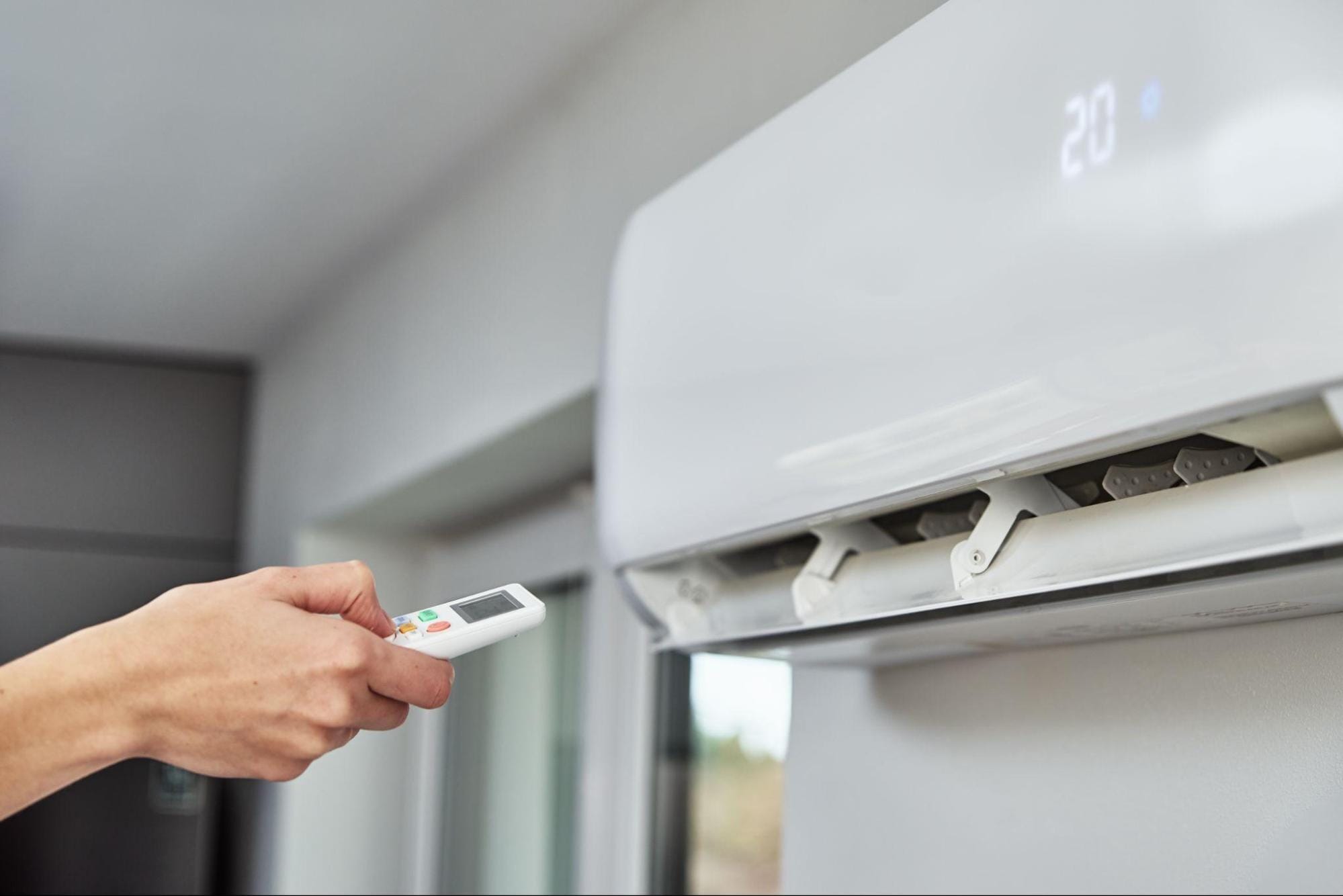
The growing popularity of heat pumps is being driven by more than just industry trends. Homeowners are looking for systems that provide reliable comfort, improved efficiency, and flexibility across Michigan’s changing seasons. As technology continues advancing, heat pumps are becoming a serious consideration for many households evaluating future HVAC upgrades.
At S&P Heating, we help homeowners understand how different HVAC solutions align with their comfort goals, energy priorities, and home characteristics. Whether you’re exploring replacement options or simply researching modern heating technologies, having accurate information is the first step toward making a confident decision.
If you’re considering a heat pump installation in Macomb, MI, and want to learn more about how modern systems perform in Michigan’s climate, contact us today to schedule a consultation.
FAQ
What happens to a heat pump during a power outage?
Like most modern HVAC equipment, heat pumps require electricity to operate. During a power outage, the system will not provide heating or cooling unless the home has a backup power source such as a generator or battery storage system.
Can a heat pump help reduce indoor noise levels?
Many homeowners report quieter operation compared to older HVAC systems because variable-speed technology often allows the equipment to run at lower speeds for longer periods. Actual sound levels vary by model and installation design.
Do heat pumps affect home resale value?
While resale value depends on many factors, energy-efficient upgrades often attract buyers who are interested in lower operating costs and modern home features. A professionally installed system may also demonstrate that major mechanical components have been updated.
Up Next: The Hidden Connection Between Insulation and Heat Pump Performance
Installing a heat pump is only part of the equation. In our next article, “Heat Pump Installation in Macomb MI: How Home Insulation Affects System Performance,” we’ll explore how insulation, air sealing, and building efficiency can significantly impact comfort, operating costs, and long-term heat pump performance.