Routine cleaning preserves operational efficiency and extends service life. Mini split systems provide heating and cooling and accumulate dust, dirt, and debris over time; that buildup reduces performance and increases energy use. This article explains the importance of scheduled maintenance, key upkeep tasks, and step‑by‑step cleaning procedures to sustain peak performance. Proper care reduces the risk of costly repairs and supports year‑round indoor comfort.
Importance of Regular Maintenance
Regular maintenance preserves operational efficiency and helps the unit perform optimally while using less energy, which lowers utility costs. Consistent servicing extends equipment lifespan and reduces the likelihood of expensive repairs or replacements. Maintenance also prevents dust and allergen buildup, thereby improving indoor air quality.
Essential Maintenance Tips
To maintain system efficiency, implement the following maintenance practices:
- Monthly Filter Checks: Inspect, clean, or replace air filters monthly to ensure proper airflow and efficiency.
- Bi-annual Professional Inspections: Schedule professional inspections at least twice a year to identify and address potential issues before they escalate.
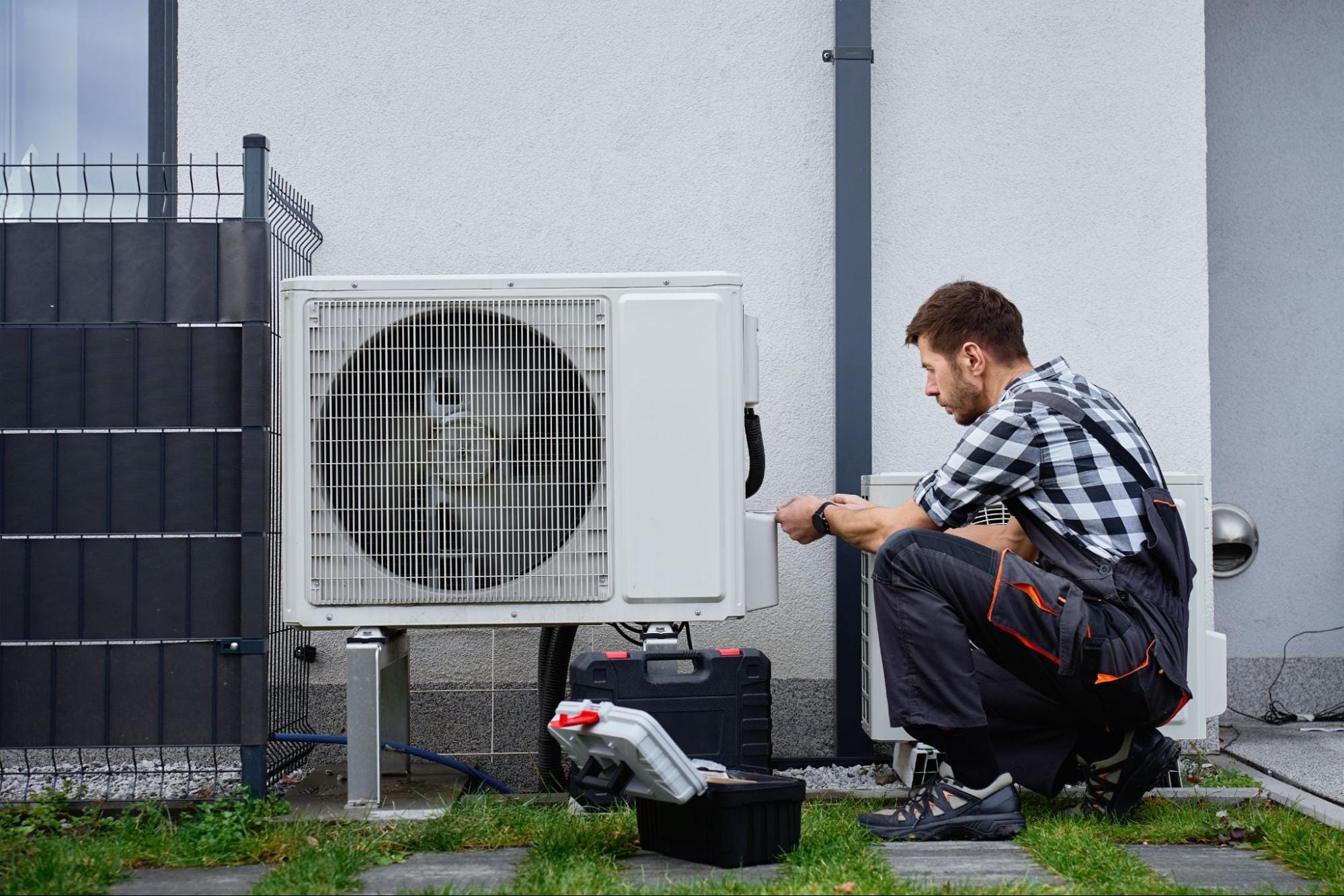
- Clearing Outdoor Units: Regularly remove debris from outdoor units to ensure unobstructed airflow and optimal performance.
Step-by-Step Cleaning Procedures
Cleaning requires a sequence of safety and service steps. Follow these procedures for comprehensive maintenance:
- Turn Off the System: Always start by turning off the power to the mini split system to ensure safety during cleaning.
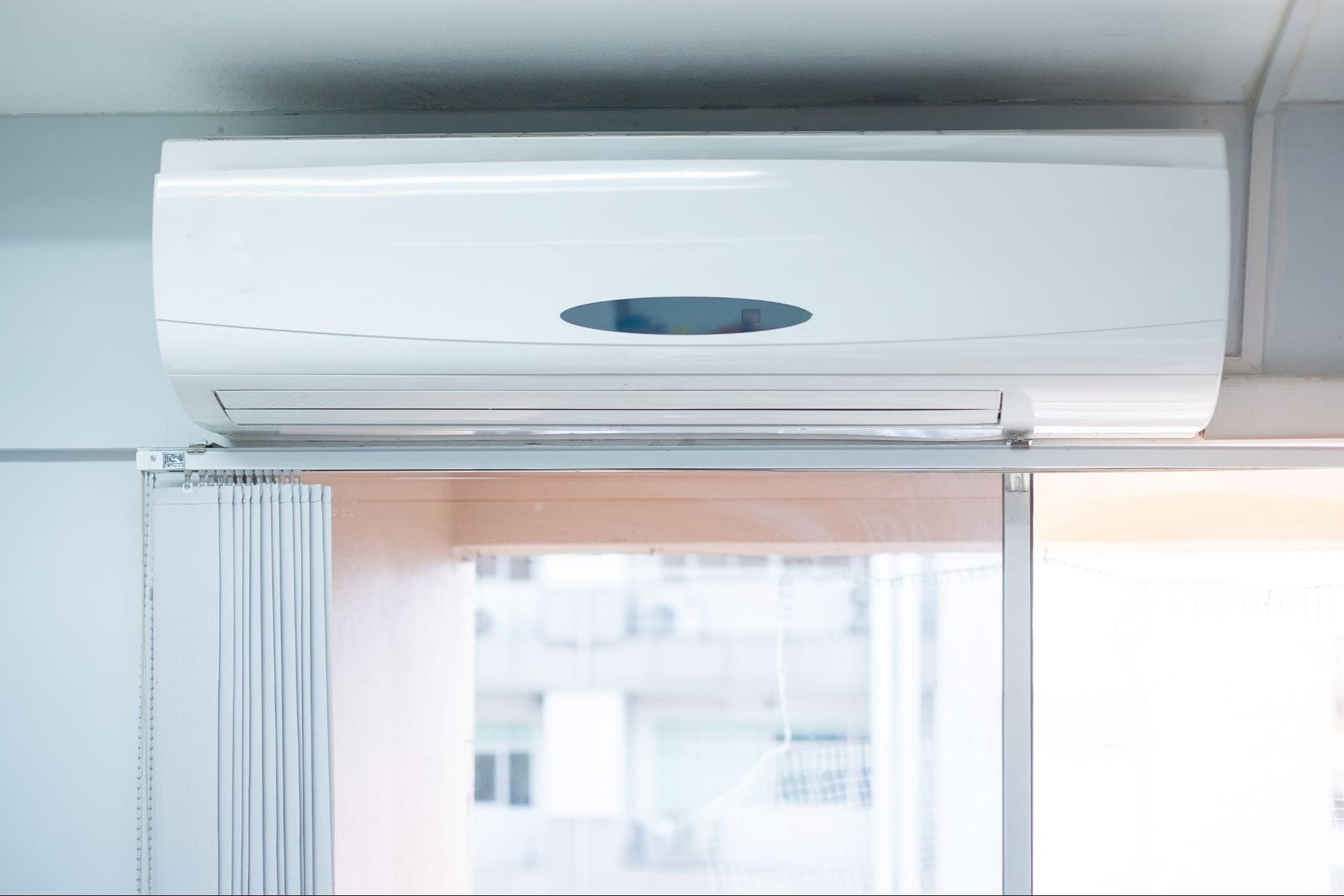
- Remove the Front Panel: Carefully detach the front panel of the indoor unit to access the filters and coils.
- Clean the Filters: Remove the filters and wash them with warm water. Allow them to dry completely before reinserting them.
- Clean the Coils: Use a soft brush or cloth to gently clean the evaporator coils, removing any dust or debris.
- Check the Drain Line: Ensure the drain line is clear to prevent water buildup, which can lead to mold growth.
Following these procedures helps sustain efficiency and prolong the service life of the mini split system.
Necessary Tools and Materials
Before cleaning, assemble the following tools and materials:
- Soft brush or cloth for cleaning
- Warm water for rinsing filters
- Vacuum for debris removal
- Mild detergent for cleaning coils
Having the right tools improves the efficiency and quality of the cleaning operation.
How Does Cleaning Improve Mini Split Energy Efficiency?
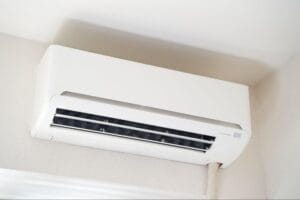
Cleaning removes obstructions from filters and coils that restrict airflow. Restoring proper airflow reduces compressor and fan load, improving operational efficiency and lowering energy consumption.
What Are the Risks of Neglecting Mini Split Cleaning?
Failure to clean the system can accelerate component wear, reduce efficiency and increase energy bills, and degrade indoor air quality, potentially affecting occupant health.
What Are the Best Practices for Safe and Thorough Coil Cleaning?
When servicing coils, follow established safety and procedural steps: power down equipment, ensure clear access to the work area, use mild detergents compatible with coil materials, and perform a post‑cleaning inspection for signs of damage or deterioration.
How Does Coil Cleaning Contribute to Indoor Air Quality?
Effective coil cleaning removes moisture and debris that support microbial growth. Maintaining clean coils reduces the risk of mold and bacterial contamination and improves indoor air quality.
When Should You Call Professional HVAC Services for Mini Split Maintenance?
Engage professional HVAC services when you observe operational symptoms such as unusual noises, inconsistent temperature control, or unexplained increases in energy consumption.
Certified technicians diagnose root causes and perform corrective maintenance that may exceed routine homeowner procedures.
What Are the Benefits of Professional Mini Split Cleaning Services?
Professional cleaning delivers practical benefits for system performance and lifecycle management.
- Improved System Efficiency: Experts can identify and resolve issues that may not be apparent to homeowners.
- Cost-effectiveness: Regular professional maintenance can prevent costly repairs in the long run.
- Extended System Longevity: Professionals ensure the system is maintained correctly, prolonging its lifespan.
How to Choose a Certified HVAC Service Provider for Mini Split Systems?
When selecting a certified HVAC service provider, verify the provider’s licenses and certifications, confirm expertise in mini-split systems and comprehensive maintenance services, and evaluate the provider’s reputation through reviews and referrals.
Keep Your Mini Split Running as It Should

If your mini split isn’t performing the way it used to, there’s a good chance it just needs a proper cleaning. Around St. Clair County, dust, pollen, and seasonal debris build up faster than most homeowners expect, especially during spring and summer. Over time, that buildup can reduce airflow, lower efficiency, and make the system work harder than it should.
At S&P Heating, we help homeowners keep their mini splits running efficiently with both routine maintenance and deeper cleanings when needed. If you’re noticing weaker airflow, strange smells, or reduced performance, it might be time to take a closer look. Contact us today if you want help getting your system cleaned properly and running the way it should again.
FAQ
How often should a mini split be cleaned?
Basic filter cleaning should be done every few weeks during heavy use. A more thorough cleaning is usually recommended at least once a year to keep the system running efficiently.
Can cleaning improve cooling and heating performance?
Yes, cleaning removes buildup that restricts airflow and reduces efficiency. Many homeowners notice better performance almost immediately after a proper cleaning.
What happens if a mini split isn’t cleaned regularly?
Dust and debris can clog components, reducing airflow, increasing energy use, and potentially causing system issues over time.
Next Up: Fixing Common Mini Split Problems
If your system still isn’t working right after cleaning, check out our next article: “Common Mini Split Issues and Quick Fixes: Expert Troubleshooting and Maintenance Guide.”