Mini split systems are commonly selected for heating and cooling because of their energy efficiency and installation flexibility. Like all HVAC equipment, they can experience faults that impair performance. This guide describes common mini-split issues, their observable symptoms, and practical quick fixes so homeowners can perform basic maintenance and decide when to engage professional service. Topics include cooling failures, frozen coils, error codes, and preventative maintenance to promote reliable operation.
Why Is A Mini Split Not Cooling? Identifying Symptoms and Causes
A mini-split that does not cool adequately requires a systematic diagnosis. Recognizing symptoms and probable causes is essential for effective troubleshooting. Typical indicators include reduced airflow, uneven temperature distribution, and continuous operation without reaching the setpoint; these help isolate the root cause.
What Are the Common Reasons for Mini Split Cooling Failure?
Multiple factors can cause inadequate cooling. Common contributors include:
- Dirty Air Filters: Clogged filters restrict airflow, reducing cooling efficiency.
- Refrigerant Leaks: Low refrigerant levels can lead to inadequate cooling.
- Faulty Thermostat: An inaccurate thermostat can prevent the system from reaching the set temperature.
Routine maintenance, such as cleaning or replacing air filters, reduces the likelihood of these faults. If symptoms continue despite basic maintenance, consult a qualified HVAC technician.
How Do Refrigerant Leaks and Compressor Problems Affect Cooling?
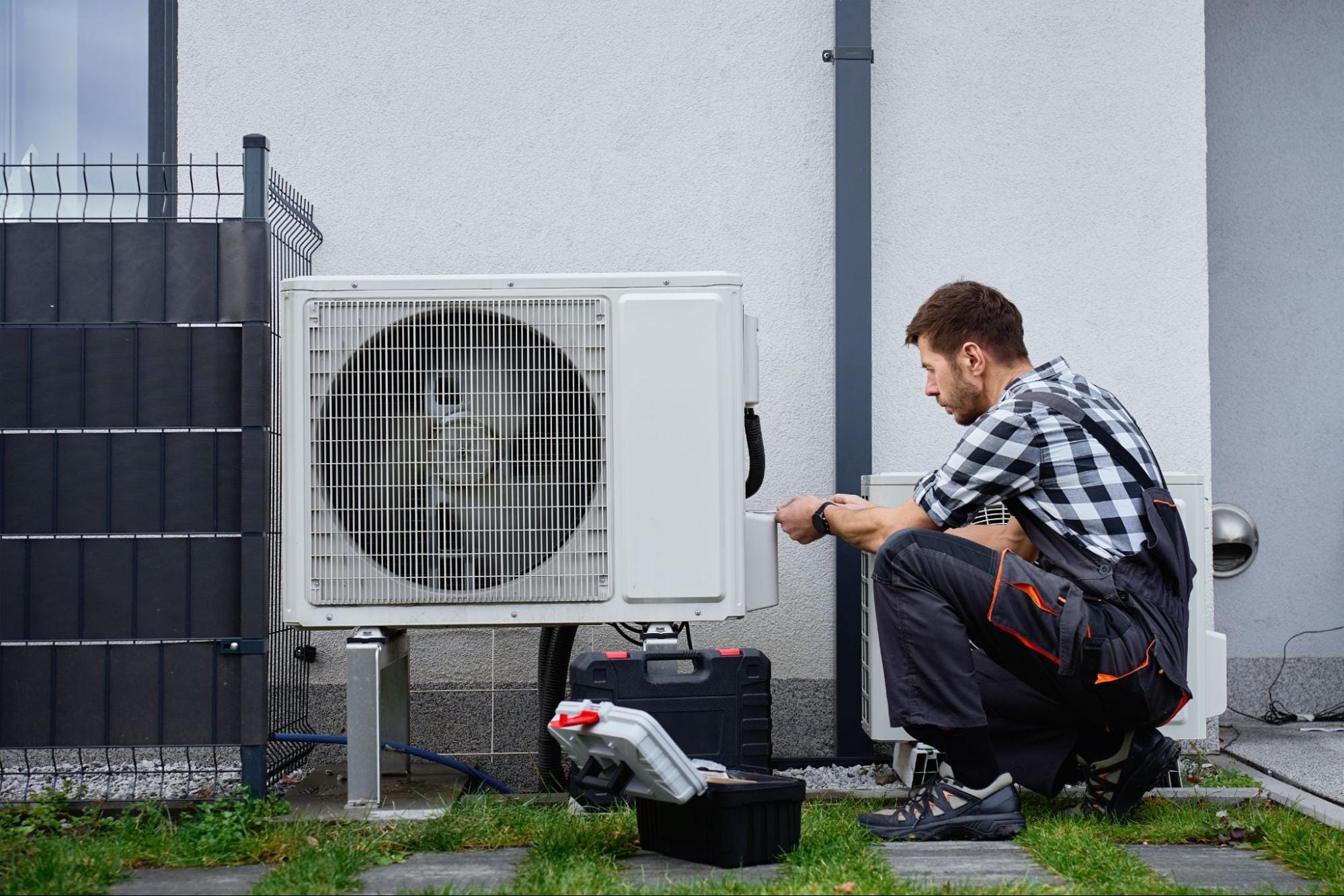
Refrigerant leaks and compressor faults are major causes of cooling loss in mini split systems. A refrigerant leak reduces system pressure and impairs heat transfer, resulting in poor cooling; observable signs include hissing sounds and ice accumulation on the evaporator coils. A malfunctioning compressor will not circulate refrigerant effectively, reducing cooling capacity. If you detect abnormal noises, intermittent operation, or a sudden loss of cooling, arrange a professional inspection to diagnose the compressor condition or refrigerant integrity.
How to Fix a Frozen Mini Split: Step-by-Step Troubleshooting
Freezing of the indoor unit is commonly caused by restricted airflow or inadequate refrigerant charge. Troubleshooting a frozen mini split follows a sequence of inspections to identify the cause and implement corrective action.
What Causes Mini Split Freezing and How Can It Be Prevented?
Freezing may result from:
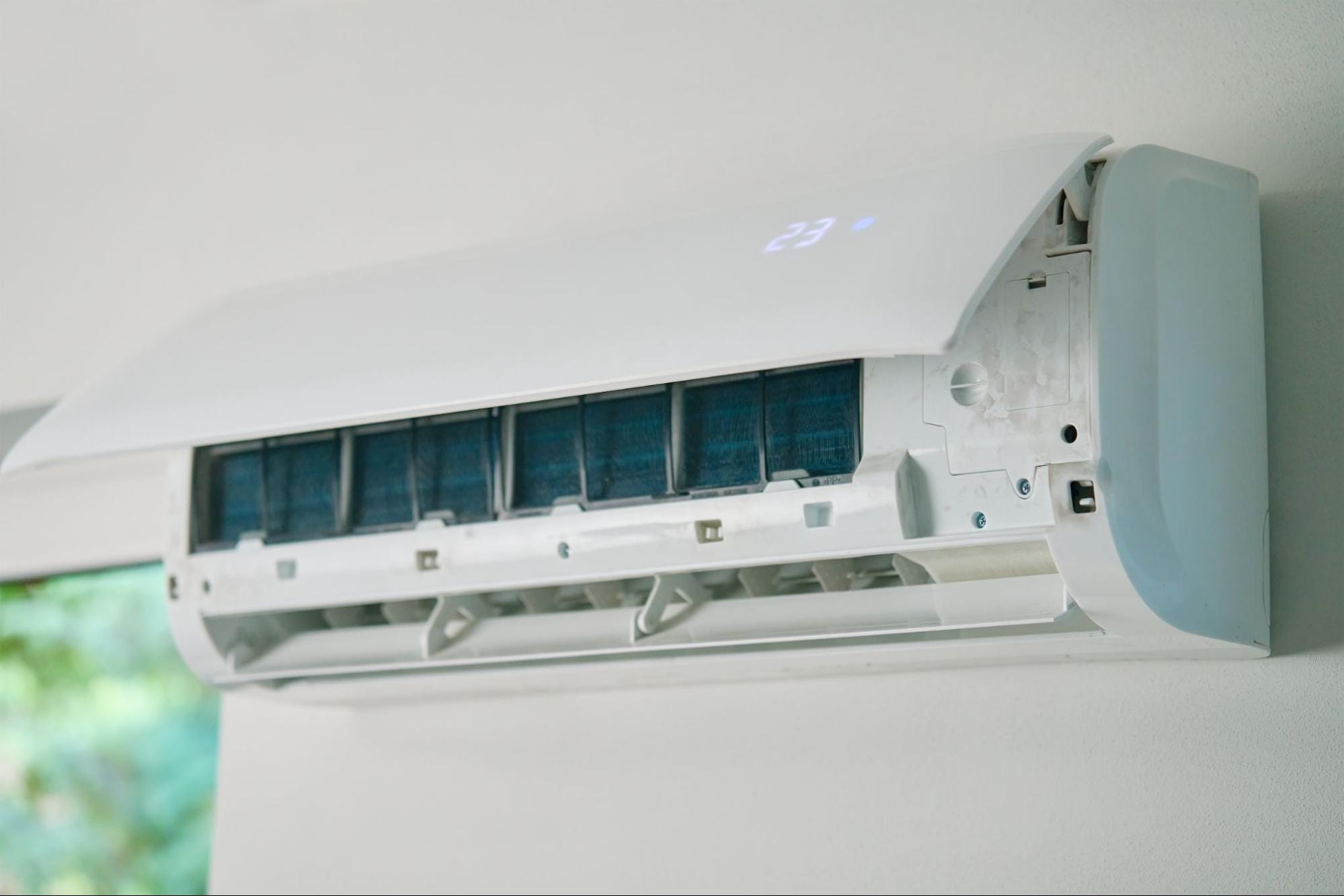
- Insufficient Airflow: Blocked vents or dirty filters can restrict airflow, leading to the evaporator coils freezing.
- Low Refrigerant Levels: A refrigerant leak can cause low pressure, leading to freezing.
- Thermostat Issues: Incorrect thermostat settings can cause the system to run continuously, leading to freezing.
Preventative measures include scheduled maintenance, regular filter cleaning or replacement, and verification of refrigerant charge.
Which Quick Fixes Can Resolve Frozen Coil Issues?
For a frozen unit, initial corrective actions include:
- Turn Off the Unit: Allow the ice to melt completely before restarting.
- Check Air Filters: Clean or replace dirty filters to improve airflow.
- Inspect Vents: Ensure that vents are unobstructed to allow proper airflow.
If freezing persists after these actions, engage a qualified technician for further diagnosis and repair.
What Do Mini Split Error Codes Mean and How Should You Respond?
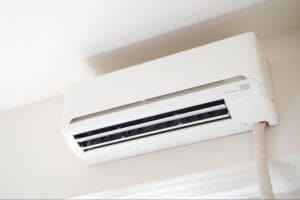
Mini split systems display error codes to indicate component faults or operational anomalies. Interpreting these codes is essential for targeted troubleshooting and maintenance.
How to Interpret Common Mini Split Error Codes
Examples of common error codes include:
- E1: Indoor unit communication error.
- E2: Outdoor unit communication error.
- E3: Refrigerant temperature sensor error.
Each code corresponds to a defined fault that requires specific diagnostic steps. Consult the manufacturer’s user manual for the precise code definitions and recommended procedures for your model.
When Is Professional Service Required for Error Code Diagnosis?
Basic checks can clear some codes; others demand professional intervention. Indicators that a technician is required include:
- Persistent error codes after troubleshooting.
- Unusual noises or smells from the unit.
- Significant drops in performance.
In those cases, contact a licensed HVAC technician to ensure accurate diagnosis and compliant repair.
What Are Essential Mini Split Maintenance Tips to Prevent Issues?
Regular maintenance is critical to prevent common mini-split faults and preserve system efficiency. A defined maintenance schedule extends equipment life and maintains operational performance.
How Often Should You Clean Filters and Inspect Components?
Air filters should be cleaned or replaced every 1–3 months, depending on operating hours and environmental conditions. Inspect evaporator and condenser coils at least annually to detect issues early.
What Routine Checks Can Extend the Lifespan of a Mini Split System?
Routine inspections that support system longevity include:
- Inspecting Refrigerant Levels: Ensure refrigerant levels are correct to maintain efficiency.
- Cleaning Coils: Regularly clean the evaporator and condenser coils to prevent buildup.
- Checking Electrical Connections: Inspect electrical components for wear and tear.
Adhering to these maintenance practices helps ensure reliable, efficient operation and reduces the incidence of unscheduled service.
Get Your Mini Split Back on Track
Mini split systems are reliable, but like anything else, they can run into issues, especially during Michigan summers and winters. The key is catching problems early before they turn into bigger repairs.
At S&P Heating, we work with homeowners across St. Clair County to quickly and efficiently diagnose and fix mini-split issues. Whether it’s weak airflow, inconsistent temperatures, or unusual noises, we can help you figure out what’s going on and what to do next. If your system isn’t keeping up, contact us today, and we’ll help you get it back to normal.
FAQ
Why is a mini split not cooling properly?
Dirty filters, low refrigerant, or airflow restrictions often cause this. Starting with basic cleaning and inspection usually helps narrow it down.
Is it normal for mini-splits to make noise?
Some light noise is normal, but loud or unusual sounds can indicate loose parts or internal issues that should be checked.
Can you fix mini split issues yourself?
Simple issues like cleaning filters can be handled at home, but a professional should handle anything involving refrigerant or electrical components.
Continue Reading: Mini Split Installation Rules Explained
Next, learn about installation requirements in your area: “Mini Split Installation Regulations in St. Clair County: Comprehensive Guide to Permits, Codes, and Licensed Contractors.”