
Indoor air quality is one of those things that most homeowners don’t think about until something feels off. Maybe it’s constant allergies, dust building up faster than usual, or that damp, musty smell in certain areas of the house, especially basements, which are common around New Baltimore.
With the mix of humidity in the summer and tightly sealed homes during winter, air quality can shift throughout the year. And when it does, it affects more than just comfort, it can impact how you feel day to day.
This guide breaks down what indoor air quality testing actually looks like, what it finds, and when it’s worth having it done.
How Indoor Air Quality Affects Comfort and Health
Air quality isn’t just about what you breathe; it also affects how your home feels.
When air quality drops, homeowners often notice symptoms such as headaches, fatigue, or airway irritation. For people with allergies or asthma, those symptoms can get worse pretty quickly.
Humidity also plays a role. Too much moisture, especially in summer, can lead to mold or that “heavy” feeling in the air. Too little humidity in winter can dry out the air, leading to discomfort.
In homes around New Baltimore, it’s common to deal with both extremes depending on the season.
Common Pollutants Found in New Baltimore Homes
There are a few things that tend to show up in indoor air tests again and again.
- Mold spores – Usually found in damp areas like basements or around older ductwork
- Dust mites – Common in bedding, furniture, and carpeted areas
- VOCs (volatile organic compounds) – Released from cleaning products, paints, and other household items
These aren’t always obvious, which is why testing can be helpful. It gives you a clearer picture of what’s actually in your air instead of guessing.
How Indoor Air Quality Testing Works
Most air quality testing isn’t complicated; it’s just thorough.
- Air sampling – Collects air from different areas to test for things like mold or airborne particles
- Sensor monitoring – Tracks air quality levels over time, including changes throughout the day
- Visual inspection – Looks for visible issues like moisture, dust buildup, or airflow problems
Together, these steps help identify both the pollutants and their sources.
Air Sampling vs. Continuous Monitoring
These two methods serve different purposes, and many homes benefit from both.
Air sampling gives you a snapshot of what’s in the air at a specific time. It’s useful for identifying things like mold or allergens.
Sensor monitoring tracks changes over time. This is helpful in homes where air quality shifts throughout the day, like when cooking, cleaning, or running HVAC systems.
Using both methods provides a more complete picture than a one-time reading.
Why Mold and Allergen Testing Matters
In this area, mold and allergens are some of the biggest concerns.
Mold can develop in damp areas without being immediately visible, especially in basements or behind walls. Allergen testing can also identify factors such as dust and pet dander that contribute to ongoing symptoms.
Once you know what’s present, it’s much easier to take the right steps to fix the problem instead of guessing.
How HVAC Systems Play a Role in Air Quality
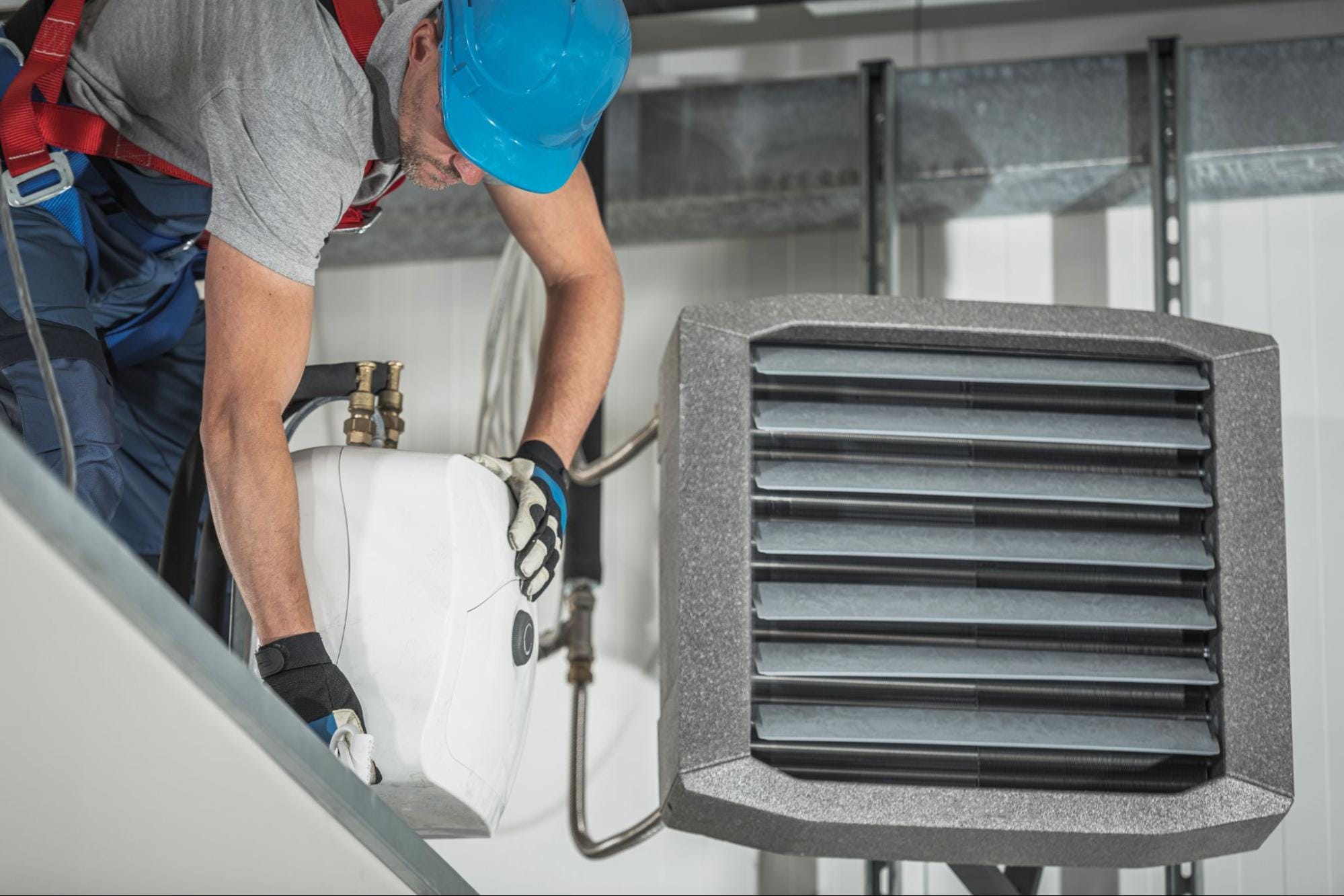
Your HVAC system does more than heat and cool; it’s constantly moving air through your home.
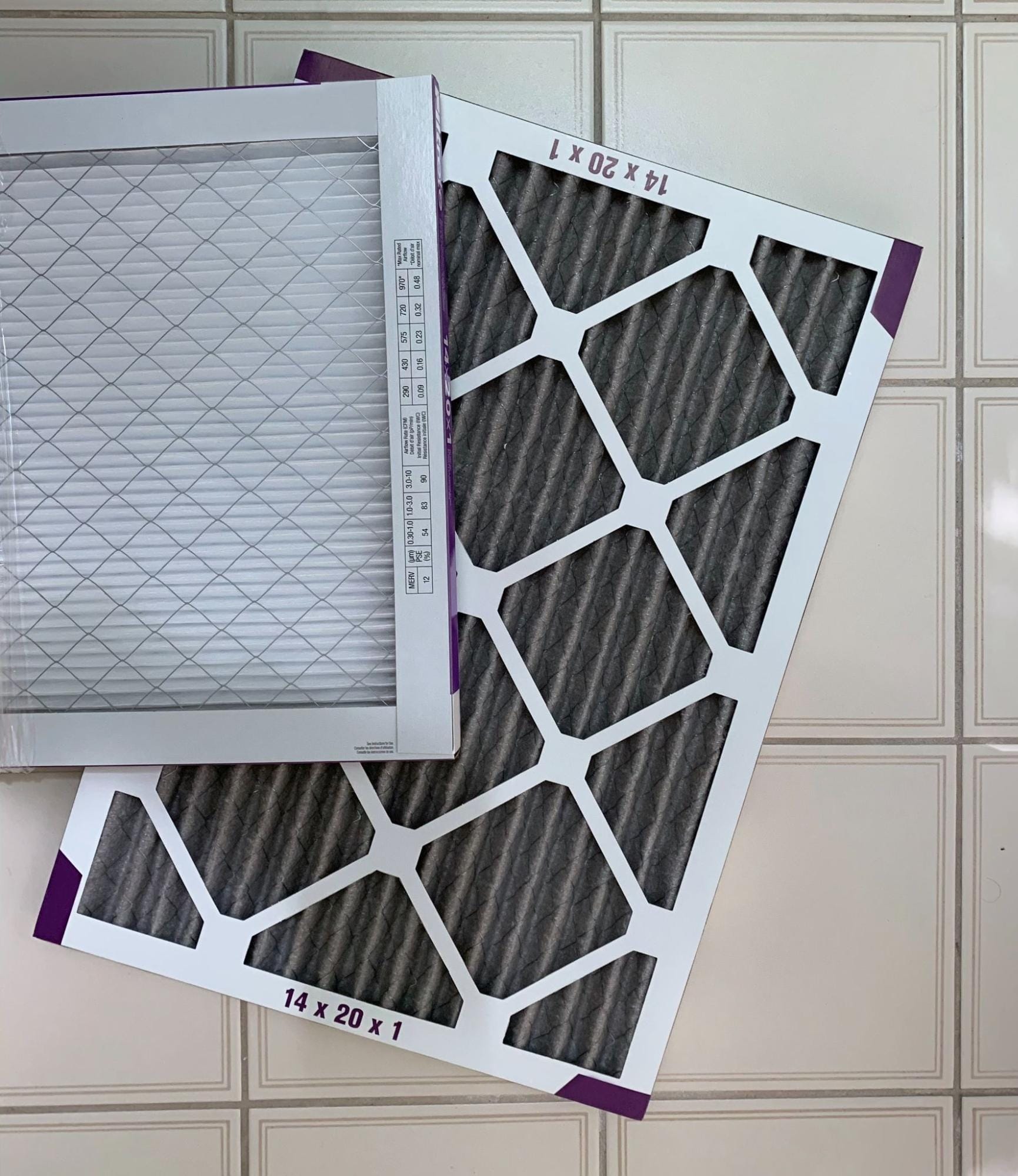
If the system is clean and working properly, it helps filter out particles and control humidity. But if filters are clogged or airflow is restricted, it can actually circulate dust and allergens instead.
Systems from brands like Bryant or Midea, when properly installed and maintained, can support better airflow and filtration, but maintenance still matters just as much as the equipment itself.
HVAC Solutions That Improve Indoor Air Quality
There are a few upgrades that can make a noticeable difference:
- High-efficiency filters – Capture smaller particles like dust and pollen
- Air purification systems – Help reduce airborne contaminants
- Ventilation improvements – Increase airflow and reduce humidity buildup
These solutions work best when they’re matched to what your home actually needs.
How Testing Helps Identify Real Problems
Testing removes the guesswork. Instead of assuming what’s causing issues, you get actual data showing what’s in the air and at what levels. That makes it easier to decide whether you need better filtration, humidity control, or something more targeted.
What to Expect During an Air Quality Test
If you’ve never had testing done, it’s pretty straightforward:
- Initial walkthrough – Identify problem areas like basements or high-traffic rooms
- Air sampling – Collect samples for analysis
- Results review – Go over findings and discuss next steps
The goal is to understand what’s happening in the home and what can realistically improve it.
How Often Should Air Quality Testing Be Done?
Most homes don’t need constant testing, but it’s worth considering every couple of years. It’s also a good idea after:
- Renovations
- Water damage
- Persistent allergy symptoms
- Noticeable changes in air quality
In homes around New Baltimore, these situations come up more often than people expect.
Cost of Indoor Air Quality Testing
Testing typically falls between $200 and $500, depending on the level of detail and the home’s size.
While it’s an upfront cost, it gives you clear answers, which can help you avoid spending money on the wrong solutions later.
New Technology in Air Quality Monitoring
Newer systems make it easier to track air quality over time.
- Smart sensors – Monitor pollutants in real time
- Mobile apps – Let you check the air quality from your phone
- Integrated HVAC controls – Adjust airflow and ventilation automatically
These tools make it easier to stay on top of changes without having to guess.
Take Control of Your Indoor Air Quality
If your home feels dusty, humid, or just not as comfortable as it should, indoor air quality is usually part of the issue. The key is figuring out what’s actually causing it before trying to fix it.
At S&P Heating, we help homeowners in New Baltimore identify real air quality problems and walk through practical solutions; whether that’s better filtration, humidity control, or targeted upgrades. If you’re dealing with allergies, musty air, or just want a clearer picture of your home’s air quality, contact us today, and we’ll help you figure out the right next step.
FAQ
What does indoor air quality testing measure?
Testing can identify pollutants such as dust, mold spores, volatile organic compounds, and humidity levels.
How long does air quality testing take?
Most testing processes can be completed within a few hours, though detailed analysis may take longer.
Is indoor air quality testing necessary for every home?
While not always required, it’s highly recommended for homes with allergies, pets, or ventilation concerns.
Next: How to Clean Your Mini Split System for Efficiency
check out our next article: “How to Clean Your Mini Split System for Efficiency: Essential Maintenance Tips and Procedures.”