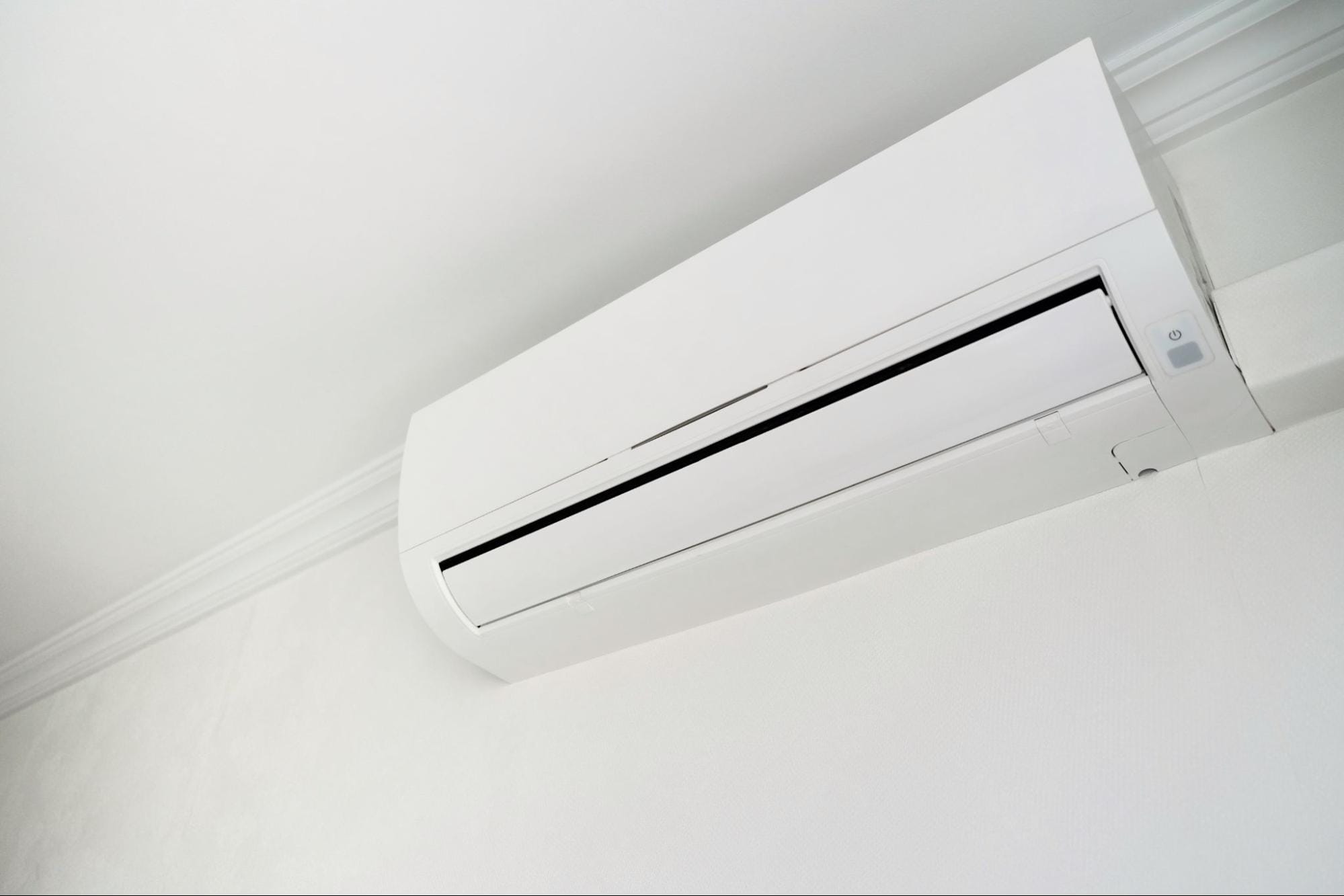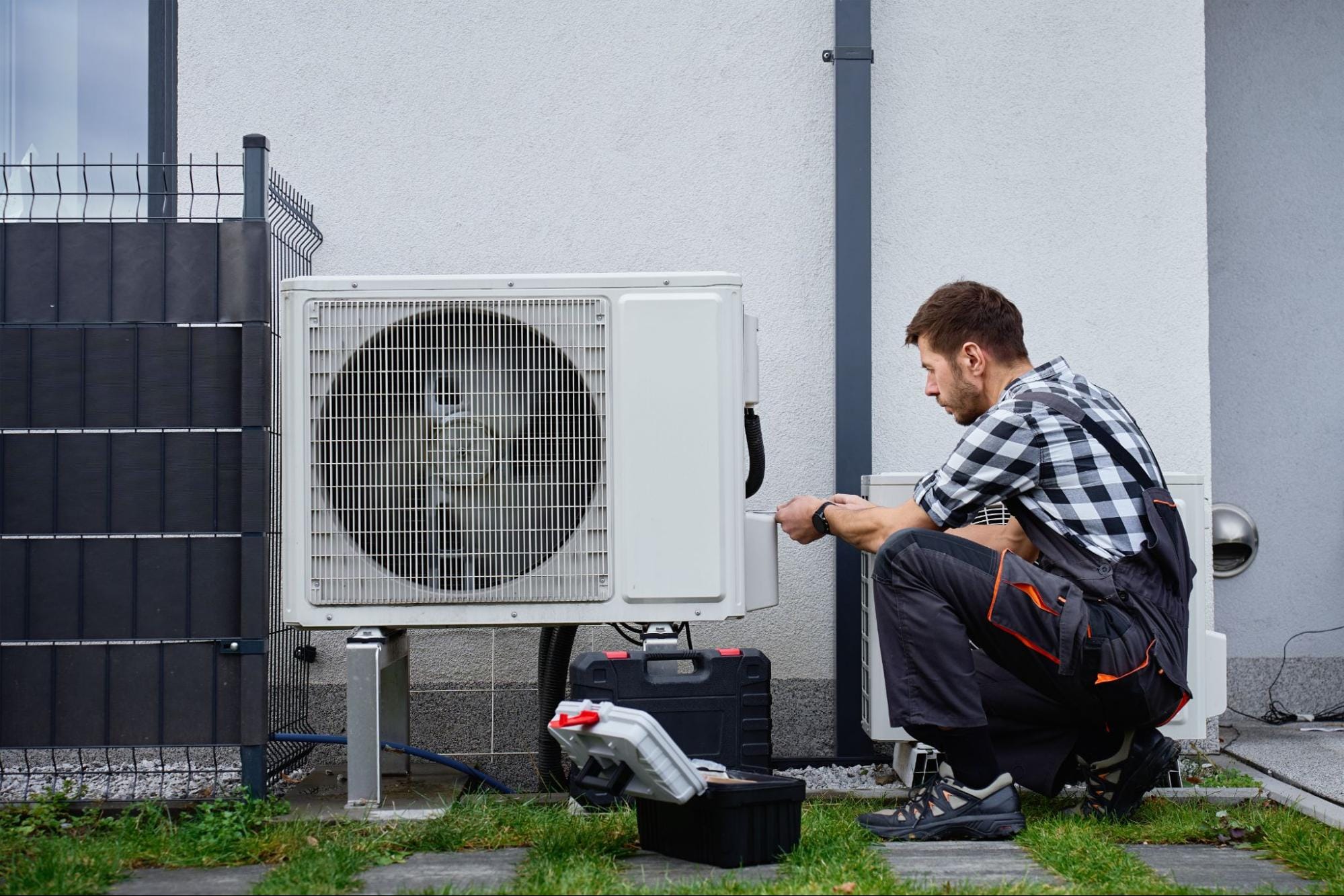
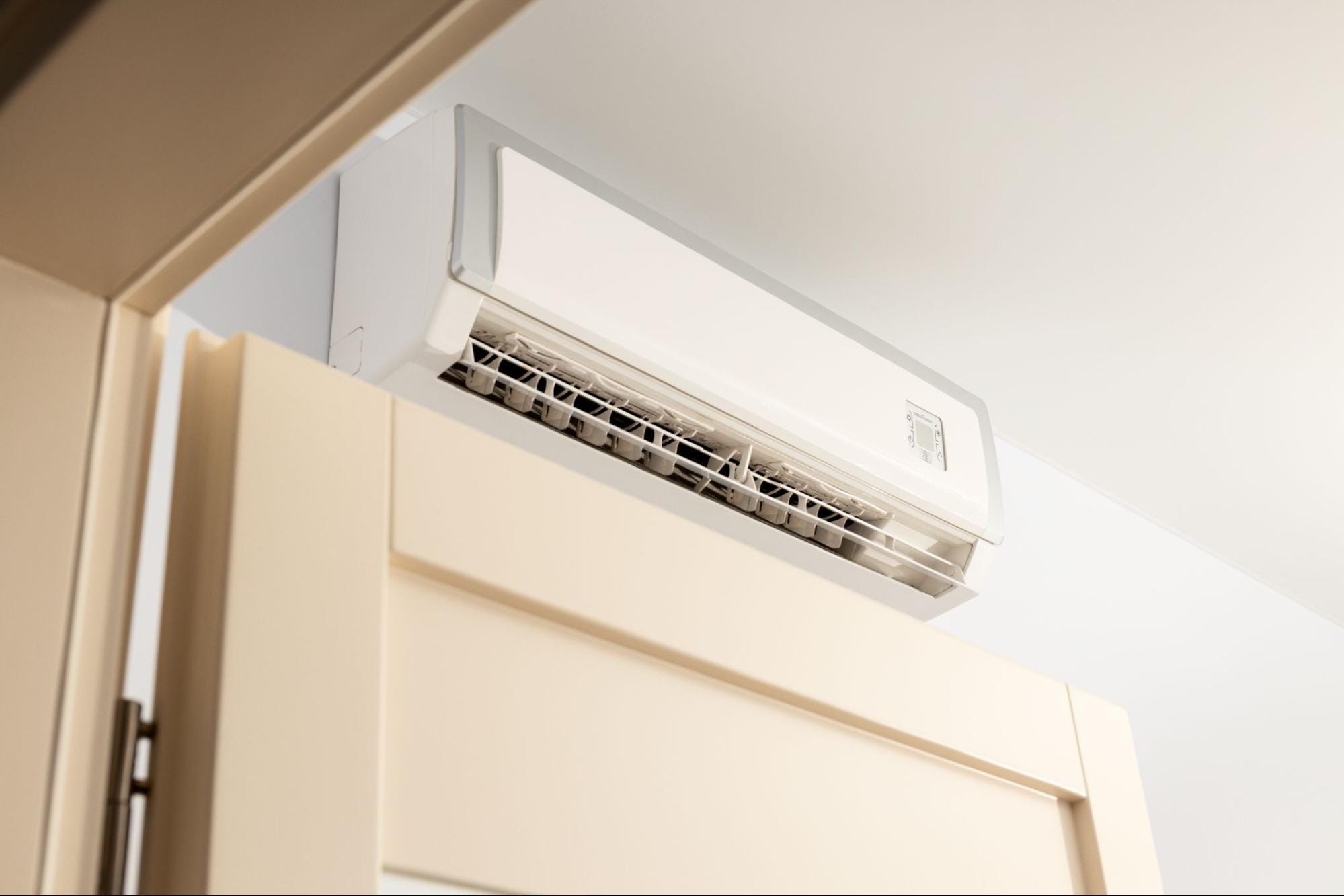
A ductless system naturally encounters moisture whenever it cools your home because water condenses on the cold evaporator coil. That makes mini-split maintenance an important part of controlling the damp, dirty conditions that may allow unwanted growth to develop inside the indoor unit. Filters catch airborne debris, while the drain pan and condensate line carry collected moisture away, but none of these components stay perfectly clean forever. At S&P Heating, we encourage you to pay attention to what is happening beyond the visible louvers and filter. Routine cleaning and drainage checks cannot guarantee that mold will never appear. Still, they can remove accumulated debris, reduce lingering moisture, and help your ductless system remain cleaner as it heats and cools your home.
Why Moisture Collects Inside the Indoor Unit
Your mini split removes heat from indoor air by passing that air across a cold evaporator coil. When warm, humid air contacts the coil, water vapor condenses into liquid droplets, similar to the moisture that forms on the outside of a cold glass.
That process is completely normal. The water should drip into a drain pan before leaving the indoor unit through a condensate line, but problems can develop when drainage slows, or wet internal surfaces become coated with dust and other debris.
Mold Needs More Than a Dirty Filter
If you discover suspected mold in a mini split, cleaning the filter is a sensible starting point, but it may not reach the source. A filter sits at the beginning of the airflow path, while moisture develops farther inside the equipment.
Several conditions may deserve attention when suspicious buildup repeatedly appears:
- Debris coating the evaporator coil
- Water lingering in the condensate pan
- A partially obstructed condensate line
- Dirt accumulating on the blower wheel
- Persistently high indoor humidity
- Internal surfaces remaining damp for extended periods
Finding the condition behind recurring buildup is more useful than repeatedly wiping away whatever you can see. If excess moisture remains, the same problem may return even after accessible surfaces look clean again.
The Evaporator Coil Is a Natural Place to Check
The evaporator coil spends hours becoming cold and wet during cooling operation, so its condition deserves attention during a thorough inspection. Dust that passes through the filter can eventually settle between the coil’s closely spaced fins, leaving debris on a surface that repeatedly encounters condensation.
Professional mini-split evaporator coil cleaning removes buildup without relying on aggressive scrubbing that could bend delicate fins. A cleaner coil also provides better conditions for heat transfer and allows condensation to travel toward the drain pan rather than mixing with layers of accumulated debris.
This is also where HVAC performance and cleanliness overlap. A heavily contaminated coil does not simply look dirty; buildup may interfere with airflow and heat transfer, potentially making the system work harder to maintain the temperature you selected.
Your Blower Wheel Is Easy to Forget
The cylindrical blower wheel inside a wall-mounted mini split pushes conditioned air back into your room. You normally don’t see much of it without looking through the outlet or partially disassembling the indoor head, which makes it an easy component to overlook.
Dust and other particles can gradually accumulate along its numerous blades. If buildup becomes substantial, mini-split indoor unit cleaning may need to go farther than the filters and coil to clean the blower assembly and other accessible internal surfaces.
Drainage Is Just as Important as Cleaning
Removing dirt addresses one side of the equation. Getting condensation out of the unit addresses the other.
Your condensate system should provide a clear path from the drain pan to the discharge point. When sludge, debris, or another obstruction slows that path, water can remain inside longer than intended and may eventually leak from the indoor head.
Watch for clues such as:
- Water dripping down the wall
- Moisture beneath the indoor unit
- Unexplained musty odors during operation
- Standing water in accessible portions of the drain pan
- A condensate line that appears to drain unusually slowly
You don’t have to wait for water to reach the wall before investigating. Checking drainage during routine service allows you to correct developing restrictions before they turn into an obvious leak.
Mini-Split Mold Cleaning Is Different From Routine Filter Care
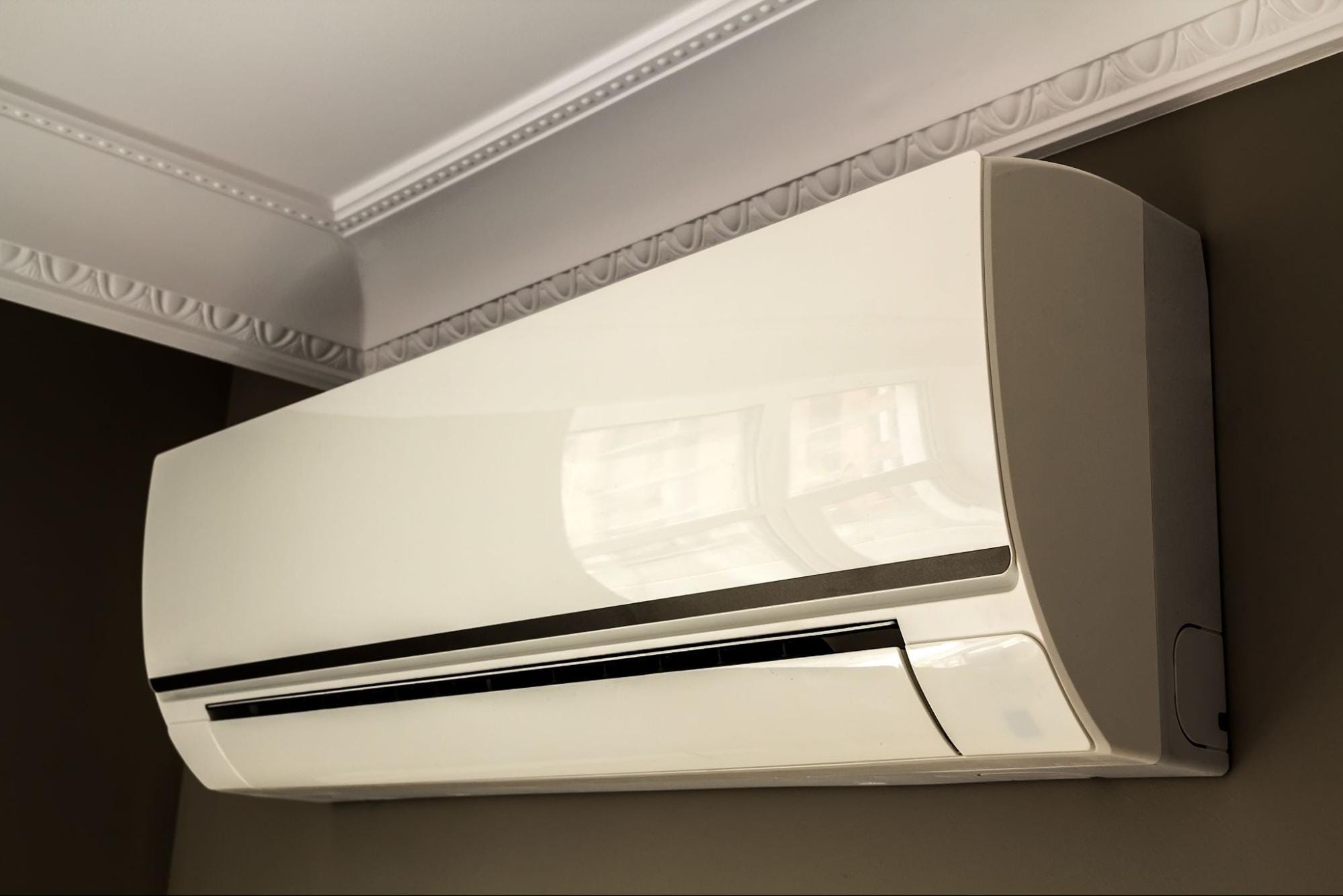
Cleaning washable filters is generally straightforward when you follow the manufacturer’s instructions. Deep mini-split mold cleaning, however, may involve components surrounded by electronics, wiring, delicate coil fins, drainage connections, and parts that require disassembly to reach properly.
That distinction matters if you’re deciding what to handle yourself. Routine filter care and wiping accessible exterior surfaces are very different jobs from removing suspected contamination throughout an evaporator coil, blower assembly, and drain pan.
You should also be cautious about spraying household cleaners into the indoor head. A chemical that works well on a bathroom counter isn’t automatically appropriate for HVAC components, and residues may remain in the airflow path or damage certain materials.
High Indoor Humidity Changes the Equation
A clean mini split may still encounter persistent moisture if your home regularly experiences high indoor humidity. Your system removes some moisture while cooling, but its primary job is temperature control, and actual moisture removal varies with equipment operation, sizing, runtime, and indoor conditions.
If suspected growth keeps returning despite proper cleaning and drainage, the indoor unit may be only one part of the problem. Moisture entering through a damp basement, crawl space, air leaks, plumbing problems, or other sources may require separate attention.
That is why ductless AC mold prevention works best as moisture management rather than simply a cleaning schedule. Keeping HVAC components clean is useful, but recurring moisture elsewhere in the home needs its own solution.
Don’t Assume Every Dark Spot Is Mold
Dark buildup on a blower wheel or around an air outlet may look like mold, but appearance alone doesn’t always provide a reliable identification. Dust and other deposits can create discoloration that looks suspicious without confirming exactly what the material is.
You don’t need to identify every spot yourself before arranging service. If buildup is extensive, returns after cleaning, produces persistent odors, or appears alongside a moisture problem, having the equipment inspected provides a better starting point than guessing from its color.
What Regular Maintenance Should Accomplish
Good maintenance shouldn’t amount to wiping down the front cover and calling the job finished. The exact work depends on the equipment and its condition, but a useful visit should consider the parts responsible for airflow, condensation, and drainage.
Depending on the system, service may involve inspecting filters, the evaporator coil, blower assembly, drain pan, and condensate line. The technician can also look for drainage problems and determine whether unusual buildup warrants deeper cleaning.
This approach keeps the goal realistic. Maintenance cannot promise a permanently mold-free indoor unit, but it can remove accumulated contamination and reduce HVAC-related conditions that make recurring growth more likely.
Know When Your Mini Split Needs Attention
You don’t need to dismantle the indoor unit to catch every developing problem. Paying attention to changes during normal operation gives you useful information about what may be happening behind the cover.
A persistent musty smell deserves attention, particularly if it appears whenever the system starts. Water leakage, declining airflow, unusual debris around the outlet, or visible buildup returning soon after basic cleaning are also good reasons to investigate further.
The sooner you recognize those changes, the easier it becomes to determine whether you are dealing with routine maintenance, a drainage restriction, excessive indoor humidity, or another problem requiring professional attention.
Keep Moisture and Buildup From Getting the Upper Hand

Your mini split will encounter condensation whenever conditions call for moisture removal, so the goal isn’t to keep every internal component permanently dry. Instead, proper maintenance helps water drain where it belongs while keeping filters, coils, blower components, and other surfaces from becoming unnecessarily dirty.
At S&P Heating, we can inspect your ductless equipment and determine what level of cleaning or maintenance its condition requires. If you’ve noticed musty odors, water around the indoor unit, recurring buildup, or simply haven’t had the system inspected recently, professional service can help you understand what is happening inside the equipment.
Schedule mini-split maintenance with our team to support cleaner internal components, proper drainage, dependable airflow, and efficient operation throughout the year.
FAQ
Can I run my mini split while painting or renovating a room?
Running the system during sanding, drywall work, or other dusty renovations can expose the indoor unit to substantially more airborne debris than normal. Consider protecting the equipment according to manufacturer guidance and checking the filters afterward, especially if the project generates fine particles that easily travel through the room.
Why does my mini split sometimes smell when I first switch modes?
An odor that appears after switching between cooling, heating, or periods of inactivity may come from accumulated dust or other material inside the unit. Persistent or strong odors deserve further investigation, particularly when accompanied by visible buildup, moisture, unusual noises, or changes in system performance.
Should I clean every indoor head at the same time on a multi-zone system?
Not necessarily. Different indoor units may accumulate debris at different rates depending on usage, room conditions, pets, and airborne dust. Inspecting each head individually allows you to base cleaning frequency on actual conditions while still following the manufacturer’s recommended maintenance schedule.
Get Your Mini Split Ready for Michigan’s Next Season
Continue with “Mini-Split Maintenance Before Winter: Preparing a Ductless System for Cold-Weather Heating” to learn what deserves attention before your mini split begins handling its winter workload.