Your furnace depends on dozens of mechanical and electrical components working together every time the thermostat calls for heat. When furnace repair becomes necessary, the cause is often an electrical issue that prevents the system from operating as intended rather than a major mechanical failure. A loose wire, worn capacitor, or malfunctioning safety switch can interrupt the heating cycle long before larger components wear out. At S&P Heating, we believe understanding these common electrical problems can help you recognize warning signs earlier and know when it’s time to schedule professional service.
A Furnace Is Only as Reliable as Its Electrical System
When you think about a furnace, the burners or blower motor probably come to mind first. Behind the scenes, however, an electrical network controls nearly every stage of operation.
From the moment your thermostat signals the furnace to start, electrical components coordinate ignition, monitor safety devices, power motors, and verify that every step of the heating cycle occurs in the proper order. If one small component fails, the furnace may shut itself down even though every major mechanical part remains in good condition.
That built-in protection helps prevent larger problems, but it also explains why electrical issues account for a significant number of service calls during the heating season.
Small Symptoms Usually Appear Before Complete Failure
Electrical problems rarely happen without warning. Instead, they often begin with subtle changes that become easier to recognize once you know what to watch for.
You may notice:
- The furnace starts and stops repeatedly.
- Heating cycles become inconsistent.
- The blower starts later than usual.
- The thermostat reaches the set temperature more slowly.
- Clicking sounds occur even when the burners are not igniting.
- The system occasionally fails to start, then resumes working normally.
These symptoms don’t automatically indicate a serious repair, but they often justify scheduling professional HVAC electrical troubleshooting before the issue becomes more disruptive.
Why Wiring Problems Should Never Be Overlooked
Electrical wiring inside a furnace is subject to years of vibration, temperature fluctuations, and normal wear. Over time, wire connections may loosen, insulation can deteriorate, or corrosion may develop around terminals.
These furnace wiring problems don’t always cause immediate failure. Instead, they may cause intermittent operation, making the issue more difficult to diagnose. The furnace may function normally one day and struggle the next, particularly as temperatures fluctuate and system demand increases.
Because modern furnaces rely on low-voltage communication as well as higher-voltage electrical circuits, even a minor wiring issue can interrupt multiple parts of the heating sequence.
The Ignition System Has to Work Every Time
Older furnaces commonly used standing pilot lights, but most modern systems rely on electronic ignition. Every heating cycle depends on the ignition system operating correctly before the burners can safely produce heat.
When ignition components begin wearing out, you may experience delayed starts, repeated ignition attempts, or complete heating failure. In many cases, furnace ignition repair involves replacing a worn igniter or correcting another electrical issue that prevents the burner from operating properly.
Ignoring these symptoms may eventually leave you without heat when the furnace can no longer complete its startup sequence.
One Safety Device Can Shut Down the Entire Furnace
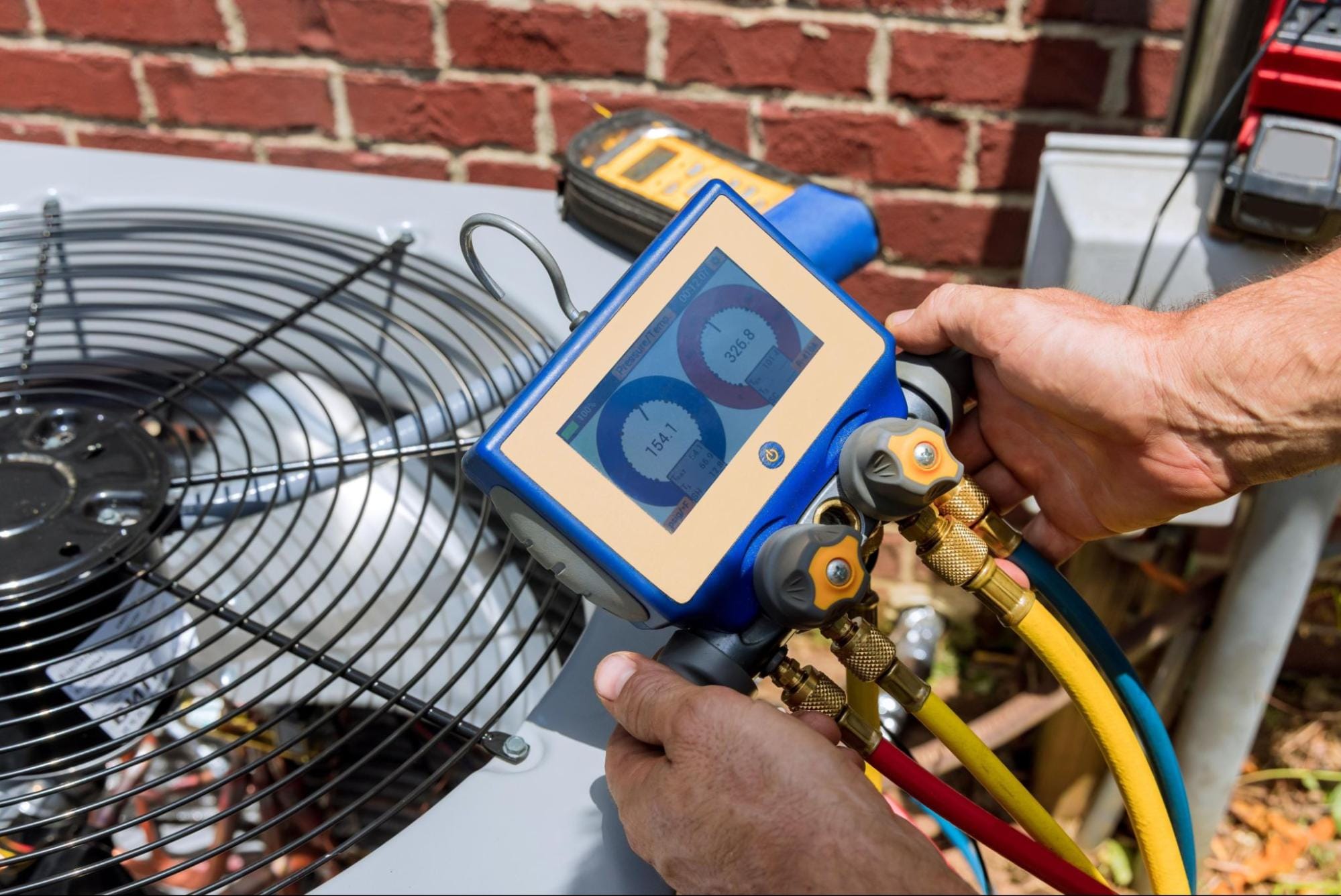
Modern furnaces include multiple safety switches designed to protect both the equipment and your home. One of the most important is the high-limit switch, which monitors temperatures inside the furnace.
If excessive heat develops because of restricted airflow or another operating problem, the high-limit switch may interrupt burner operation to prevent overheating. While this safety feature protects the furnace, a worn or malfunctioning switch may also create repeated shutdowns even when other components appear to be operating normally.
Determining whether the issue involves the switch itself or another condition that triggers the safety device requires a professional diagnosis.
Don’t Ignore the Blower’s Electrical Components
Most people think of the blower motor as a single piece of equipment, but it depends on several electrical parts working together to move heated air throughout your home.
One important component is the blower motor capacitor, which helps provide the electrical energy needed to start and operate the motor efficiently. As capacitors age, they may gradually weaken rather than fail all at once.
You might first notice slower blower startup, reduced airflow, or unusual humming sounds before complete failure occurs. Replacing a worn capacitor early may help prevent additional stress on the blower motor itself.
When the Control Board Becomes the Problem
If the thermostat acts as the furnace’s brain, the furnace control board serves as its central nervous system. This electronic circuit board coordinates communication between sensors, safety devices, ignition components, and blower controls.
Because so many components depend on the control board, problems can appear in several different ways. A furnace may refuse to start, stop unexpectedly, fail to complete heating cycles, or display diagnostic error codes.
Control board problems can sometimes resemble failures in other components, which is why accurate diagnosis is so important before replacing parts unnecessarily.
Leave Electrical Repairs to Qualified Professionals
When a furnace stops working, it can be tempting to reset breakers, inspect wiring, or try replacing electrical components yourself. While checking the thermostat batteries or confirming the power switch is on are reasonable first steps, most electrical furnace problems require specialized testing equipment and an understanding of how modern heating systems operate.
Today’s furnaces contain multiple safety circuits designed to shut the system down when something isn’t working properly. Simply replacing a part without identifying the underlying cause may not solve the problem and could even lead to additional damage. Professional technicians can safely test electrical components, verify proper voltage, and determine whether the issue is isolated or part of a larger system concern.
Electrical Maintenance Is About Prevention, Not Just Repairs
Electrical components naturally wear over time, but routine inspections can often identify developing issues before they interrupt your heating. During a maintenance visit, technicians typically inspect wiring connections, test safety switches, evaluate ignition performance, and confirm that electrical components are operating within manufacturer specifications.
Instead of waiting for a complete breakdown, preventive maintenance lets you address minor issues while the furnace is still operating normally. This proactive approach may reduce unexpected service calls during the busiest part of the heating season while supporting more dependable system performance.
One Repair Can Help Prevent Another
Electrical components inside a furnace rarely work independently. A single failing part may place additional stress on other portions of the heating system if it isn’t corrected promptly.
For example, a weak capacitor can force the blower motor to work harder each time it starts. Loose wiring may cause inconsistent voltage, affecting sensitive control components. Likewise, repeated ignition failures can cause additional wear on other electrical devices involved in the startup sequence.
Addressing electrical concerns early often helps limit unnecessary stress on the rest of the furnace, reducing the likelihood that one repair will develop into several.
Protect Your Heating System With Prompt Electrical Repairs
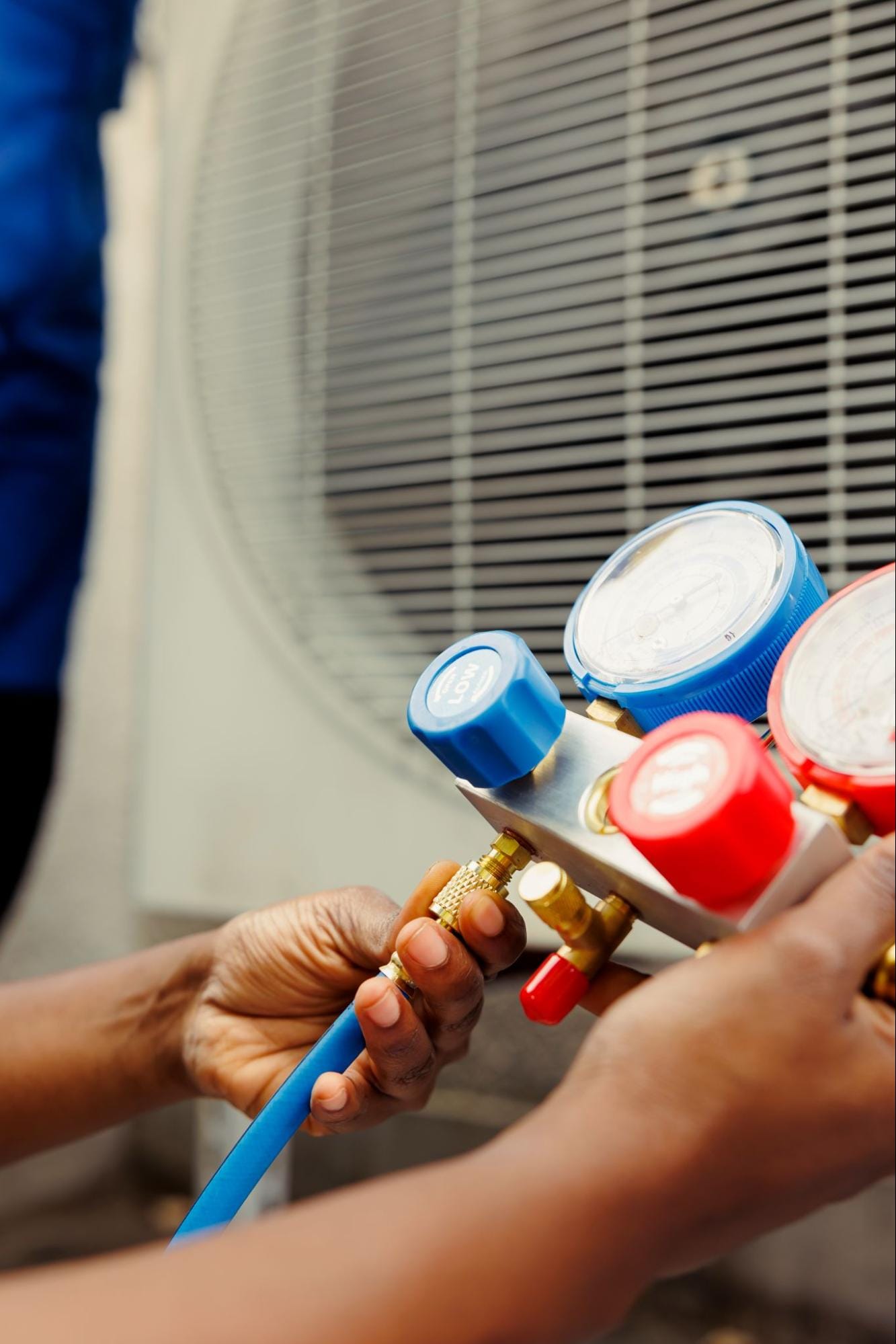
Electrical components may not receive the same attention as burners or blower motors, but they are essential to every heating cycle. When one of these parts begins failing, your furnace can quickly lose efficiency, shut down unexpectedly, or stop producing heat altogether.
At S&P Heating, we provide professional diagnostics and repair services to identify electrical problems accurately and restore dependable heating. Whether you’re dealing with intermittent operation, ignition concerns, or other electrical issues, our technicians can help determine the cause and recommend the appropriate repair.
If you need furnace repair, contact us today to schedule a professional inspection and keep your heating system operating safely and reliably throughout the winter.
FAQ
Can power fluctuations in my home affect the furnace’s electronics?
Yes. Voltage fluctuations or power interruptions may, over time, affect sensitive furnace electronics, particularly control boards and other electronic components. If you experience frequent electrical issues in your home, discussing surge protection with an HVAC professional may be worthwhile.
Will replacing my thermostat solve all my furnace electrical problems?
No. While a thermostat can contribute to heating issues, many electrical problems originate inside the furnace itself. A professional diagnosis helps determine whether the thermostat, wiring, safety controls, or another component is responsible before parts are replaced.
Should I shut my furnace off if I suspect an electrical problem?
If you notice burning odors, visible sparks, repeated breaker trips, or other signs of a potentially unsafe electrical condition, it’s generally best to stop operating the furnace and arrange for professional service. Continuing to run the system may increase the risk of additional damage.
Continue Learning About Home Comfort
Electrical repairs are just one part of keeping your HVAC system operating efficiently throughout the year. Visit the S&P Heating blog for more homeowner resources, seasonal maintenance tips, and expert guidance on heating, cooling, indoor air quality, and energy-efficient home comfort solutions.