Summer energy bills can climb quickly in St. Clair County, especially during long stretches of heat and humidity. Many homeowners assume that rising cooling costs automatically mean utility rates are increasing or that their air conditioner is simply getting older. While those factors can play a role, many high summer bills stem from smaller problems within the HVAC system that slowly reduce efficiency over time.
At S&P Heating, we often see AC repair st. Clair County, MI calls that start with one common complaint: “My AC never stops running.” In many cases, the system is technically still working, but hidden airflow problems, maintenance issues, or worn components are forcing it to work much harder than it should.
The challenge is that these problems often build gradually. Homeowners may not notice the system losing efficiency until energy bills suddenly spike during the hottest part of summer. Understanding what causes these hidden efficiency losses can help you address problems earlier and reduce unnecessary strain on your cooling system.
Why Your AC May Be Running Longer Than It Should
Air conditioners naturally run more during hot weather, but they shouldn’t struggle to maintain comfortable temperatures nonstop.
An AC running constantly is usually a sign that the system is having trouble keeping up with cooling demands. Sometimes this happens due to outdoor temperatures, but often another issue is causing the system to be less efficient than usual.
Restricted airflow is one of the biggest causes. Dirty filters, blocked vents, or clogged coils can all reduce airflow through the system. When airflow drops, cooling cycles become longer and energy use increases.
In older homes throughout St. Clair County, insulation gaps and air leaks can also contribute to longer runtime because cooled air escapes more easily during the summer.
Dirty Filters Can Quietly Increase Energy Costs
One of the most overlooked causes of higher summer bills is something simple: a dirty air filter.
When filters become clogged with dust, pollen, and debris, airflow throughout the system becomes restricted. The blower motor then has to work harder to circulate air, increasing energy use while reducing cooling performance.
Many homeowners don’t realize how quickly filters can clog during summer months, especially in homes with:
- Pets
- Older ductwork
- High dust levels
- Heavy AC usage
- Increased outdoor pollen
A dirty filter may not seem serious at first, but over time it can contribute to weak airflow, uneven cooling, and rising utility costs.
How Dirty Coils Reduce Cooling Efficiency
Your AC system relies on clean coils to transfer heat properly. Once dirt and debris build up on those coils, efficiency starts dropping fast.
This creates an inefficient cooling system because the equipment must work harder to remove heat from the home. Outdoor condenser coils are especially vulnerable during Michigan summers because they collect:
- Grass clippings
- Cottonwood
- Dust
- Pollen
- Moisture buildup
As the coils become more restricted, the AC may run longer cycles while producing less cooling.
Many homeowners first notice this problem when certain rooms stop cooling evenly, or the house feels humid even while the AC is running.
Why Humidity Plays a Bigger Role Than People Realize
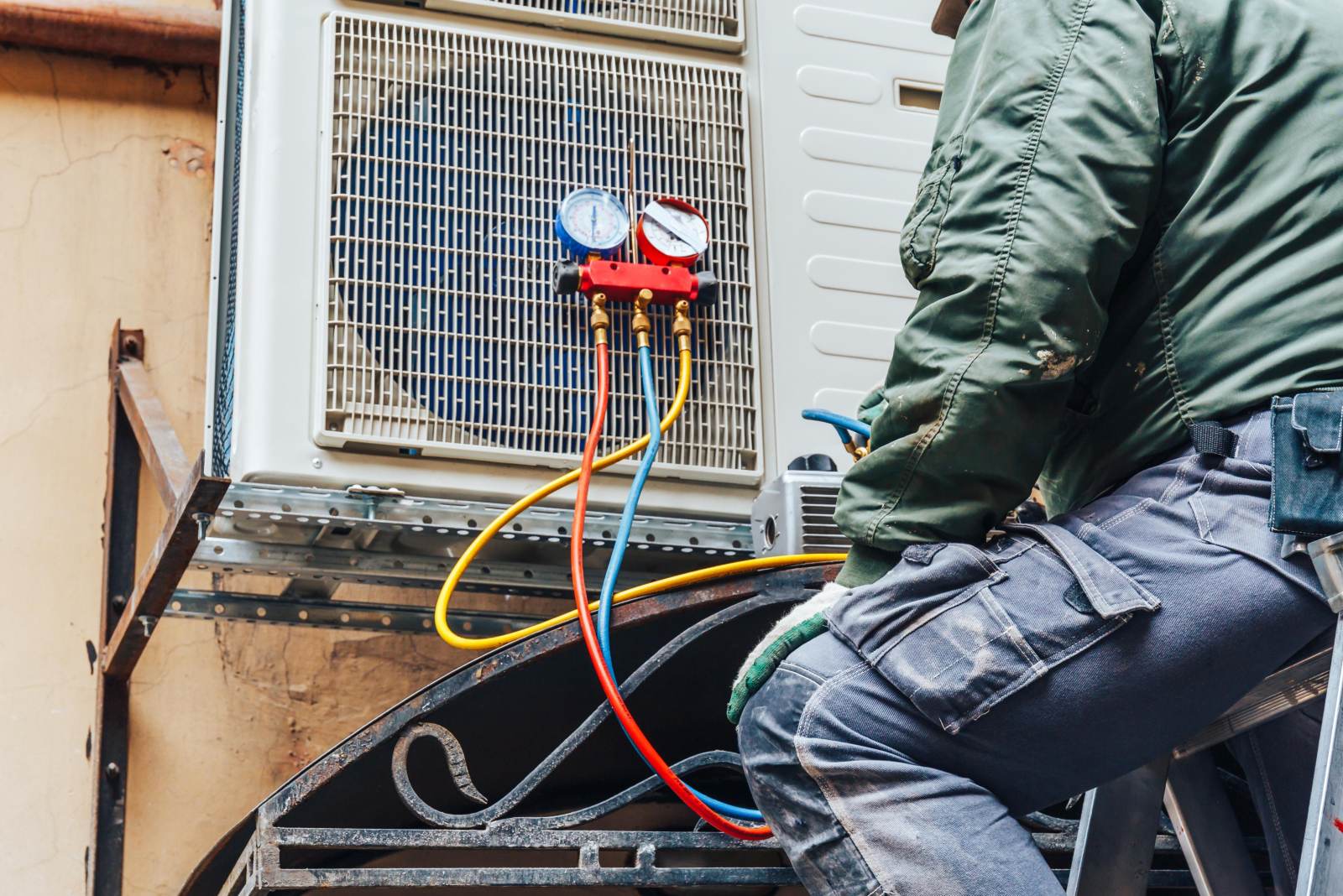
Humidity affects much more than comfort levels. Across St. Clair County, moisture-heavy summer air forces cooling systems to work harder, as the AC must remove humidity while cooling the home.
If the system already has airflow restrictions or maintenance issues, humidity problems become even more noticeable. Homes may start feeling damp or sticky even when indoor temperatures appear normal.
Longer cooling cycles caused by humidity also increase wear on important components like:
- Compressors
- Capacitors
- Fan motors
- Evaporator coils
Over time, this additional workload contributes to higher repair frequency and increased operating costs.
Leaky Ductwork Can Waste More Cool Air Than Expected
Ductwork problems are another hidden issue that often contributes to high cooling bills.
In many homes throughout St. Clair County, sections of ductwork may have small leaks, loose connections, or insulation problems that allow cooled air to escape before it ever reaches the living space.
This forces the system to run longer to make up for the lost airflow.
Signs of possible ductwork issues include:
- Uneven room temperatures
- Weak airflow in certain areas
- Higher-than-normal energy bills
- Excess dust around vents
- Rooms that never fully cool down
Because ductwork is usually hidden behind walls or ceilings, many homeowners don’t realize there’s a problem until efficiency drops significantly.
Thermostat Problems Can Affect Cooling Performance
Sometimes the issue isn’t the AC unit itself—it’s the thermostat controlling it.
Incorrect thermostat placement, calibration issues, or outdated models can all affect the system’s efficiency. If the thermostat reads temperatures inaccurately, the AC may continue running longer than necessary.
This becomes especially noticeable during humid summer afternoons when cooling demands are already higher.
Smart thermostats can sometimes help improve efficiency by managing cooling cycles more consistently, but the system itself still needs proper airflow and maintenance to perform efficiently.
Aging Components Gradually Reduce Efficiency
Cooling systems naturally lose efficiency as they age, especially if maintenance has been inconsistent over the years.
Older systems may develop:
- Worn blower motors
- Weak capacitors
- Reduced refrigerant performance
- Electrical wear
- Airflow imbalances
The system may still cool the home, but it often requires much more energy to do it.
Homeowners sometimes overlook these gradual efficiency losses because the changes happen slowly over multiple summers.
Why Preventive Maintenance Helps Lower Summer Bills
Many high-energy bill problems start small and become worse over time.
Seasonal maintenance helps identify issues like:
- Dirty coils
- Restricted airflow
- Refrigerant problems
- Electrical wear
- Drainage issues
Addressing these problems early often helps restore cooling efficiency before the system begins struggling during peak summer heat.
Regular maintenance also helps reduce unnecessary wear on major components, which may help prevent larger repairs later.
How Homeowners Can Improve Cooling Efficiency
Small maintenance habits can make a noticeable difference during summer.
Homeowners in St. Clair County can help reduce cooling strain by:
- Replacing filters regularly
- Keeping outdoor units clear of debris
- Sealing air leaks around windows and doors
- Scheduling seasonal inspections
- Monitoring unusual increases in runtime or energy use
Even simple airflow improvements can help reduce stress on the system during humid weather.
Stop Hidden Cooling Problems From Driving Up Your Energy Bills
Many high summer energy bills stem from hidden airflow restrictions, maintenance issues, and gradual efficiency losses. The longer these problems are ignored, the harder your cooling system has to work to keep your home comfortable.
At S&P Heating, we help homeowners throughout St. Clair County identify the underlying causes of rising cooling costs before they turn into larger system failures. Whether your AC is running nonstop, struggling with humidity, or simply not cooling efficiently, finding the issue early can improve comfort and reduce unnecessary energy use.
If your cooling bills have been climbing faster than expected this summer, contact us today to schedule an inspection and find out what may be affecting your system’s efficiency.
FAQ
Why does my AC seem to cool better at night than during the day?
Outdoor temperatures are usually lower at night, which makes it easier for your AC system to remove heat from the inside. During hot afternoons, especially when humidity is high in St. Clair County, the system has to work much harder to maintain the same indoor temperature.
Can ceiling fans help reduce cooling costs?
Yes. Ceiling fans help circulate cooled air more evenly throughout the home, which may allow homeowners to raise thermostat settings slightly without sacrificing comfort. Fans don’t lower the room temperature directly, but they can help rooms feel cooler.
Should you turn your thermostat way down during extremely hot weather?
Not usually. Setting the thermostat drastically lower won’t cool the home faster and may cause the system to run continuously for long periods. Consistent temperature settings are generally more effective for efficiency and system performance.
Learn More About Heat Pump Efficiency Problems
Cooling efficiency issues aren’t limited to traditional AC systems. In our next article, “Heat Pump Repair in Macomb, MI: How Electrical Problems Affect Heating and Cooling Efficiency,” we explore how electrical issues can impact system performance, energy use, and long-term reliability.