Air purifiers play a critical role in improving indoor air quality and overall home comfort. Growing evidence linking air pollution to adverse health outcomes has increased demand for effective residential air-cleaning solutions. This guide evaluates leading air purifiers, emphasizing their features, operational benefits, and suitability for typical home applications. It explains filtration mechanisms, the health advantages of HEPA filtration, and selection criteria. It provides recommendations for allergy relief, bedroom use, and energy-efficient models, together with maintenance guidance to sustain performance.
How Do Air Purifiers Enhance Indoor Air Quality and Home Comfort?
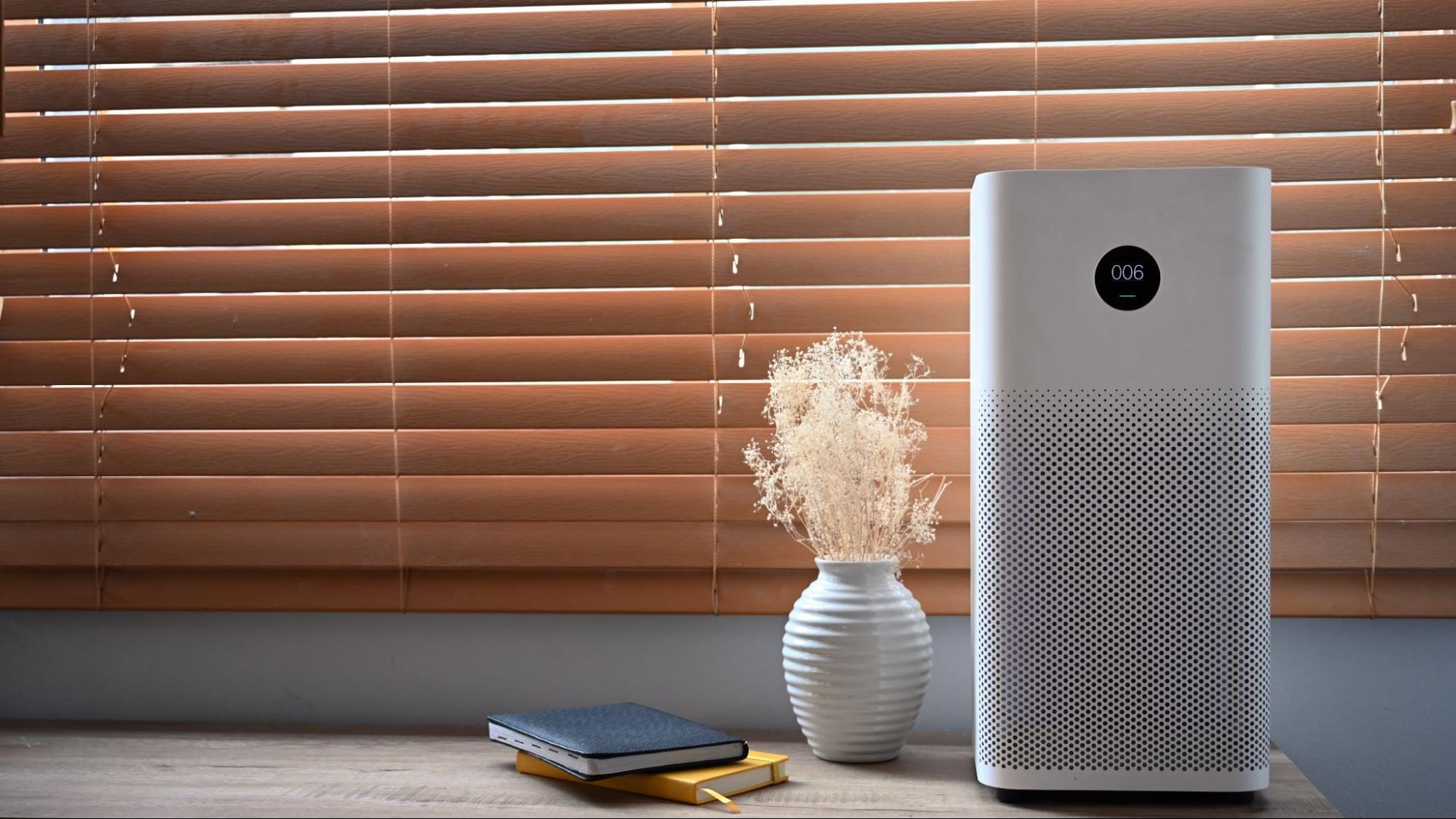
Air purifiers improve indoor air quality by removing pollutants, allergens, and particulate matter. Devices employ established technologies, including HEPA filtration, activated carbon adsorption, and UV-C treatment, to capture or neutralize contaminants. This reduces airborne allergens such as dust, pollen, and pet dander, and can lower odors and microbial load. The net effect is a healthier indoor environment that supports respiratory comfort and general well-being.
What Are the Health Benefits of Using Air Purifiers with HEPA Filters?
Air purifiers fitted with HEPA filters provide measurable health benefits. HEPA media are rated to capture at least 99.97% of particles 0.3 microns or larger, including common allergens, dust mites, and pet dander. This level of filtration can reduce exposure to airborne particulates that exacerbate respiratory conditions and allergic symptoms. HEPA filtration may also lower exposure to indoor pollutants associated with broader health risks, including cardiovascular effects.
How Do Air Purifiers Reduce Allergens and Improve Breathing?
Air purifiers reduce allergens by continuously filtering indoor air and trapping particles that trigger allergic responses. HEPA filtration captures fine particulate matter, improving indoor air quality and potentially reducing symptoms in sensitive individuals. Some units also incorporate UVGI (Ultraviolet Germicidal Irradiation) to inactivate bacteria and viruses. The combined use of particulate filtration and microbial control helps maintain a healthier indoor environment.
What Are the Key Features to Compare in Home Air Purifiers?
When selecting an air purifier, evaluate features that determine performance and suitability for the intended space. Key considerations include filter type, Clean Air Delivery Rate (CADR), and room size coverage. Understanding these parameters enables an informed purchase decision.
| Feature | Description | Importance |
|---|---|---|
| Filter Type | HEPA, activated carbon, or UV filters | Determines filtration efficiency |
| CADR Rating | Clean Air Delivery Rate | Indicates the volume of filtered air delivered |
| Room Size Coverage | Maximum area the purifier can effectively clean | Ensures adequate coverage for your space |
How Do Filter Types Like HEPA, Carbon, and UV Differ in Performance?
Filter technologies address different contaminants. HEPA filters are effective at removing fine particulate matter and are appropriate for allergen control. Activated carbon filters adsorb gases and volatile organic compounds (VOCs), reducing odors. UV-based systems target microbial contaminants by disrupting microbial DNA or RNA. Selecting the appropriate combination depends on the contaminant profile and occupant needs.
What Role Do CADR Ratings and Room Size Coverage Play in Selection?
CADR ratings quantify an air purifier’s ability to remove specific pollutants and provide a comparative performance metric. Higher CADR values indicate greater clean-air delivery for particulate categories such as dust, smoke, and pollen. Matching a purifier’s rated room coverage to the actual room area ensures effective air exchanges and maximizes device performance.
What Are the Top HEPA Air Purifiers Recommended for Allergy Relief?
For allergy relief, several HEPA-equipped units are commonly recommended based on performance and application:
- Dyson Pure Cool TP01: Known for its sleek design and powerful filtration, it effectively captures allergens and pollutants.
- Honeywell HPA300: This model offers a high CADR rating and is ideal for larger rooms, making it a popular choice for allergy sufferers.
- Levoit Core 300: Compact and affordable, this air purifier is perfect for small spaces while still providing excellent filtration.
Which Quiet Air Purifiers Are Suitable for Bedrooms?
When assessing quiet operation, consider units designed for low decibel output while maintaining filtration performance:
- Blueair Blue Pure 211+: This purifier operates quietly while delivering high performance, making it suitable for bedrooms.
- Coway AP-1512HH: Known for its low noise levels, it also features a four-stage filtration system for comprehensive air cleaning.
- Molekule Air Mini: Utilizing PECO technology, it effectively reduces allergens and operates silently, ensuring a restful night.
How Should Homeowners Maintain and Replace Air Purifier Filters?
Regular maintenance is necessary to preserve the air purifier’s effectiveness and extend its service life. Routine inspection and timely filter replacement maintain air quality and operational efficiency.
What Is the Recommended Frequency for Filter Replacement?
Replacement intervals vary by usage and filter type. HEPA filters are typically replaced every 6–12 months. Activated carbon filters typically need to be replaced every 3–6 months. Use the unit’s filter indicator and manufacturer guidance to determine the appropriate schedule.
How Does Proper Maintenance Affect Air Purifier Efficiency?
Maintaining pre-filters and replacing HEPA elements as recommended preserves adequate airflow and filtration effectiveness. Clogged filters restrict airflow and reduce the efficiency of pollutant removal. Adhering to a maintenance schedule ensures the purifier operates at designed performance levels.
How Does Professional Installation Improve Air Purifier Performance?
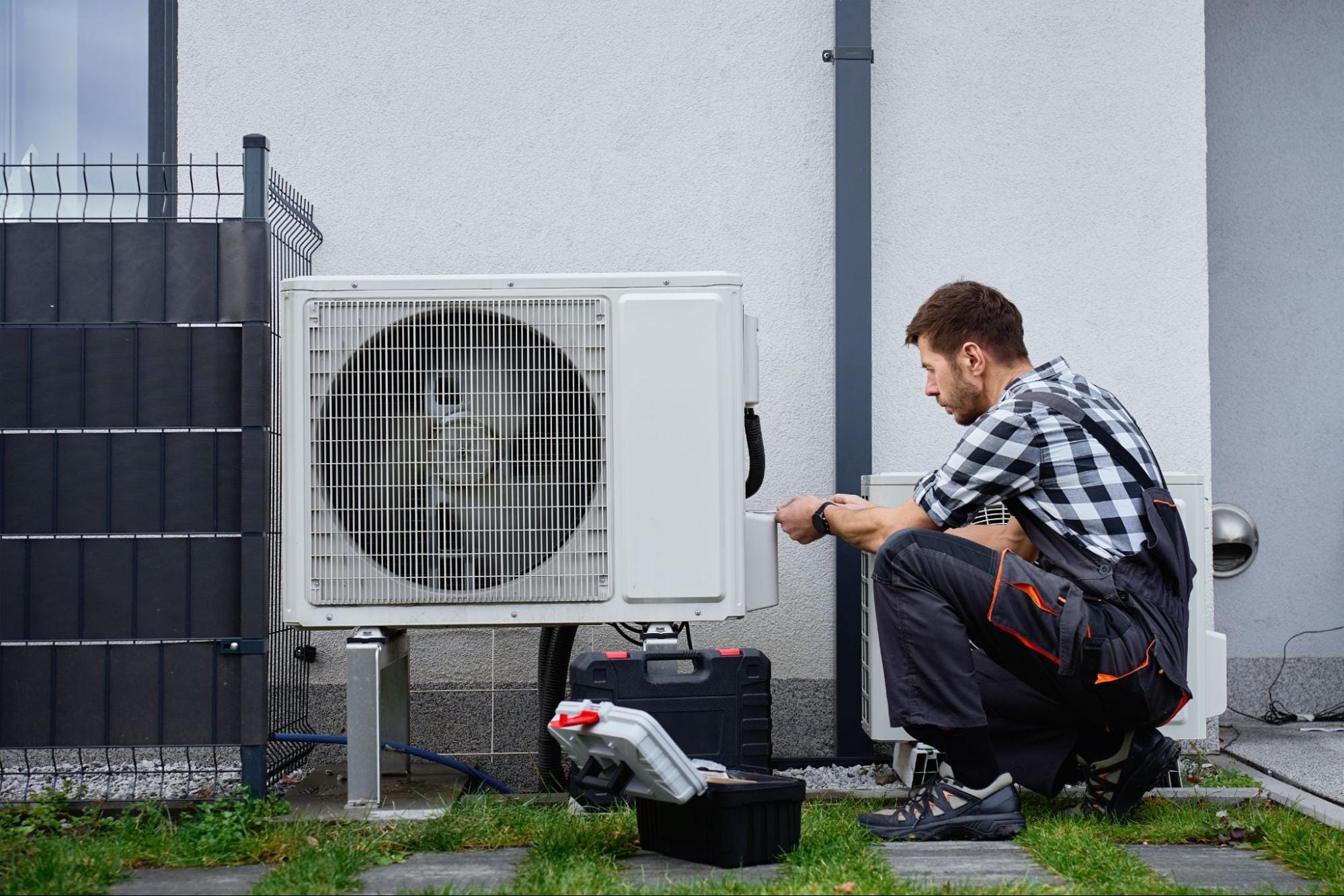
Professional installation ensures the unit is properly set up and placed to maximize efficiency. Technicians assess the home’s layout and recommend optimal positioning to enhance air circulation and purification effectiveness.
Find the Right Air Purifier for Your Home
/
If your home feels dusty or stuffy, or if you’re dealing with allergies, an air purifier can make a noticeable difference. In places like New Baltimore, where humidity and seasonal changes affect indoor air quality, the right system helps keep the air cleaner and more comfortable.
At S&P Heating, we help homeowners choose air purification solutions that actually match their needs, whether they’re concerned about allergens, odors, or general air quality. If you’re not sure which type of purifier makes sense for your home, contact us today, and we’ll help you figure out the best option.
FAQ
Do air purifiers really improve air quality?
Yes, especially when they’re properly sized for the space. They help remove particles like dust, pollen, and other airborne contaminants.
Where should an air purifier be placed?
Common areas include bedrooms and living spaces where people spend most of their time.
Are whole-home air purifiers better than portable ones?
Whole-home systems work through your HVAC system, while portable units target specific rooms. The right choice depends on your needs.
Continue Reading: Whole-Home Filtration Solutions
Next, explore: “Air Filtration Systems for Improved Indoor Air Quality in New Baltimore: Comprehensive Home Solutions.”