
Installing a mini-split system in St. Clair County requires compliance with regulations and technical guidelines to ensure safety and legal compliance. This guide summarises the permits required, applicable HVAC codes, the process for verifying licensed contractors, and relevant Michigan installation standards. Homeowners often face procedural and regulatory hurdles that can lead to fines or remedial work if requirements are not met. The sections below cover permit procedures, adherence to local “St. Clair County HVAC codes”, contractor verification, and Michigan mini split regulation and installation guidance.
What Are the Mini Split Permit Requirements in St. Clair County?
Securing the necessary permits in St. Clair County is a necessary step for lawful mini-split installation. Permits confirm that work will be performed in accordance with safety criteria and local building regulations. Knowing which permits to obtain and how to apply reduces the risk of enforcement actions or corrective work.
Which Permits Are Necessary for Mini Split Installation?
The following permits are typically required for mini split installations in St. Clair County:
- Building Permit: Required for any structural modifications or installations.
- Electrical Permit: Required for any electrical work associated with the mini-split system.
- HVAC Permit: Specifically for heating, ventilation, and air conditioning systems.
These permits confirm that the installation conforms to local regulations and safety standards. Consult local permitting authorities or a licensed contractor to verify the exact requirements for your project.
How to Comply with St. Clair County HVAC Codes for Mini Splits?
Compliance with St. Clair County HVAC codes follows a straightforward process for documenting and verifying installations against applicable standards, ensuring safe operation and expected performance.
- Documentation: Gather all required paperwork, including permit applications and installation plans.
- Inspections: Schedule inspections as required to confirm compliance with safety standards.
- Final Approval: Obtain final sign-off from local authorities after successful inspections.
Following documentation, inspection, and approval steps helps ensure the mini split meets local HVAC codes and regulatory expectations.
How to Verify Licensed HVAC Contractors for Mini Split Installation in St. Clair County?
When engaging an HVAC contractor for mini split installation, verify credentials and documentation to confirm competence and regulatory compliance. Checking credentials reduces the risk of poor workmanship and noncompliance.
What Credentials Should Licensed HVAC Contractors Hold?
Licensed HVAC contractors in St. Clair County should hold the following credentials:
- State License: A valid state-issued HVAC license demonstrating qualifications.
- Insurance: Liability insurance to protect against potential damages during installation.
- Bonding: A surety bond that provides financial protection in case of contractor failure.
These credentials indicate the contractor is authorized and capable of performing the installation safely and in compliance with regulations.
Where to Find Verified HVAC Professionals in St. Clair County?
To locate verified HVAC professionals, use established industry and local resources to confirm licensure and reputation.
- Local Directories: Check local business directories for licensed HVAC contractors.
- Online Reviews: Read customer reviews and ratings to assess reliability.
- Referrals: Ask friends or family for recommendations based on their experience.
Using these resources helps identify qualified professionals for mini split installation.
What Are the Michigan HVAC Installation Guidelines and Energy Efficiency Standards for Mini Splits?
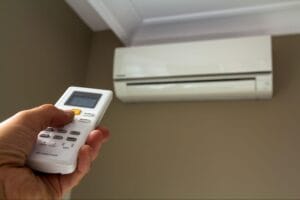
Michigan prescribes HVAC installation guidelines and energy-efficiency standards for mini-split systems. Meeting these requirements supports lawful installation and effective system performance.
What Energy Efficiency Requirements Apply to Mini Split Systems in Michigan?
Mini split systems in Michigan must meet these energy efficiency requirements:
- SEER Ratings: Systems should have a Seasonal Energy Efficiency Ratio (SEER) of at least 14.
- HSPF Ratings: Heating Seasonal Performance Factor (HSPF) ratings should be a minimum of 8.2.
These performance standards help ensure efficient operation, reduce energy use, and lower operating costs.
How Do Michigan Building Codes Impact Mini Split Installation?
Michigan building codes set mandatory standards for installation methods and the documentation required to demonstrate compliance.
- Installation Practices: Guidance on proper installation to ensure safety and efficiency.
- Permit Requirements: Specific permits are required before installation can begin.
Following these codes is necessary to ensure the system operates safely and meets regulatory expectations.
What Are the Zoning Laws and Inspection Procedures for Mini Split Installations in St. Clair County?
Zoning regulations and inspection procedures determine where and how mini split systems may be installed in St. Clair County. Understanding these provisions helps avoid noncompliance and project delays.
How Do Zoning Regulations Affect Mini Split Placement?
Zoning rules in St. Clair County specify permissible locations for mini-split components, taking into account factors affecting neighboring properties and community standards.
- Setback Requirements: Minimum distances from property lines that must be maintained.
- Placement Restrictions: Guidelines on where outdoor units can be located to minimize visual impact and noise.
These requirements preserve neighborhood aesthetics and reduce potential interference with adjacent properties.
What Is the Mini Split Inspection Process in St. Clair County?
The inspection process for mini split installations typically includes staged reviews to verify compliance with applicable codes and permits.
- Initial Inspection: Conducted before installation to check compliance with zoning and building codes.
- Final Inspection: Performed after installation to verify the system meets safety and efficiency standards.
Passing required inspections is a condition for final approval and confirms the installation meets legal and safety standards.
Make Sure Your Installation Is Done Right
Installing a mini split isn’t just about choosing a system; it also involves following local codes, permits, and safety requirements. In St. Clair County, skipping these steps can cause issues down the line, especially during inspections or home sales.
At S&P Heating, we handle installations the right way from start to finish, including permits and code compliance. That way, you don’t have to worry about whether everything meets local requirements. If you’re planning a mini-split installation, contact us today, and we’ll walk you through the process so everything is done the first time correctly.
FAQ
Do you need a permit to install a mini split?
In many cases, yes, especially if electrical work is involved. Local codes may require inspection and approval.
Can you install a mini split yourself?
DIY installation is possible but not recommended for most homeowners due to code, safety, and performance considerations.
What happens if the installation doesn’t meet code?
You may face fines, failed inspections, or issues when selling your home. It’s best to ensure compliance from the start.
Next Up: Emergency AC Repairs When You Need Them Most
Continue with: “Emergency AC Repair Solutions for New Baltimore Homeowners: Fast, Reliable 24 Hour and Same-Day Service.”