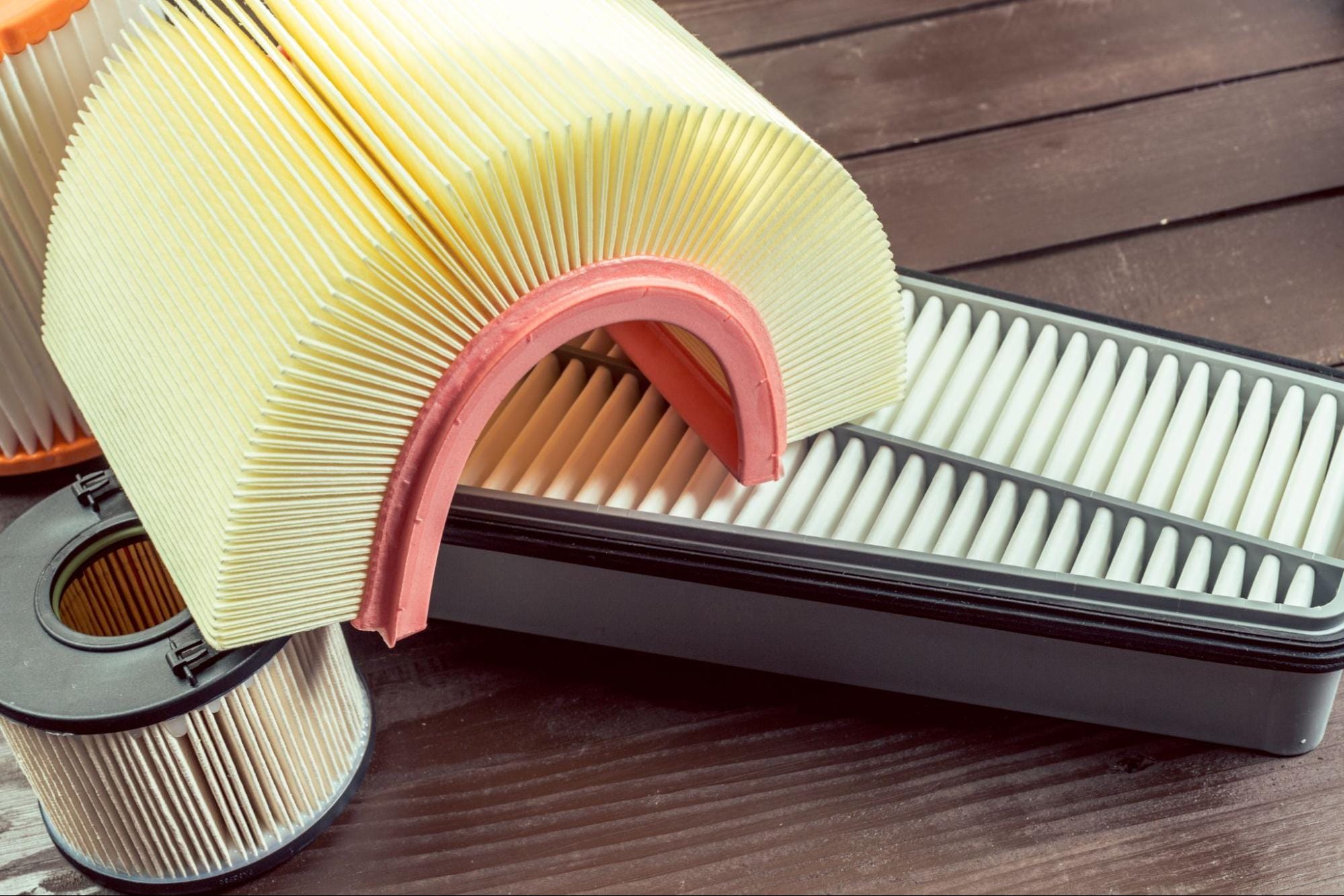
Indoor air quality (IAQ) is a fundamental component of a healthy home environment, yet homeowners frequently overlook it. Air filtration systems remove airborne pollutants, allergens, and particulates that affect occupant health and comfort. This article examines common residential filtration technologies, their benefits, and how they improve indoor air quality. It also covers installation and maintenance considerations, typical costs, and local air quality factors in St. Clair County.
What Are the Key Types of Air Filtration Systems for Homes?
Residential air filtration captures and removes airborne contaminants to improve IAQ. The primary system categories are HEPA filters, activated carbon filters, and UV light filters. Each category uses distinct mechanisms and addresses specific pollutants, so selection depends on the application and the indoor contaminant profile.
How Do HEPA Filters Enhance Indoor Air Quality?
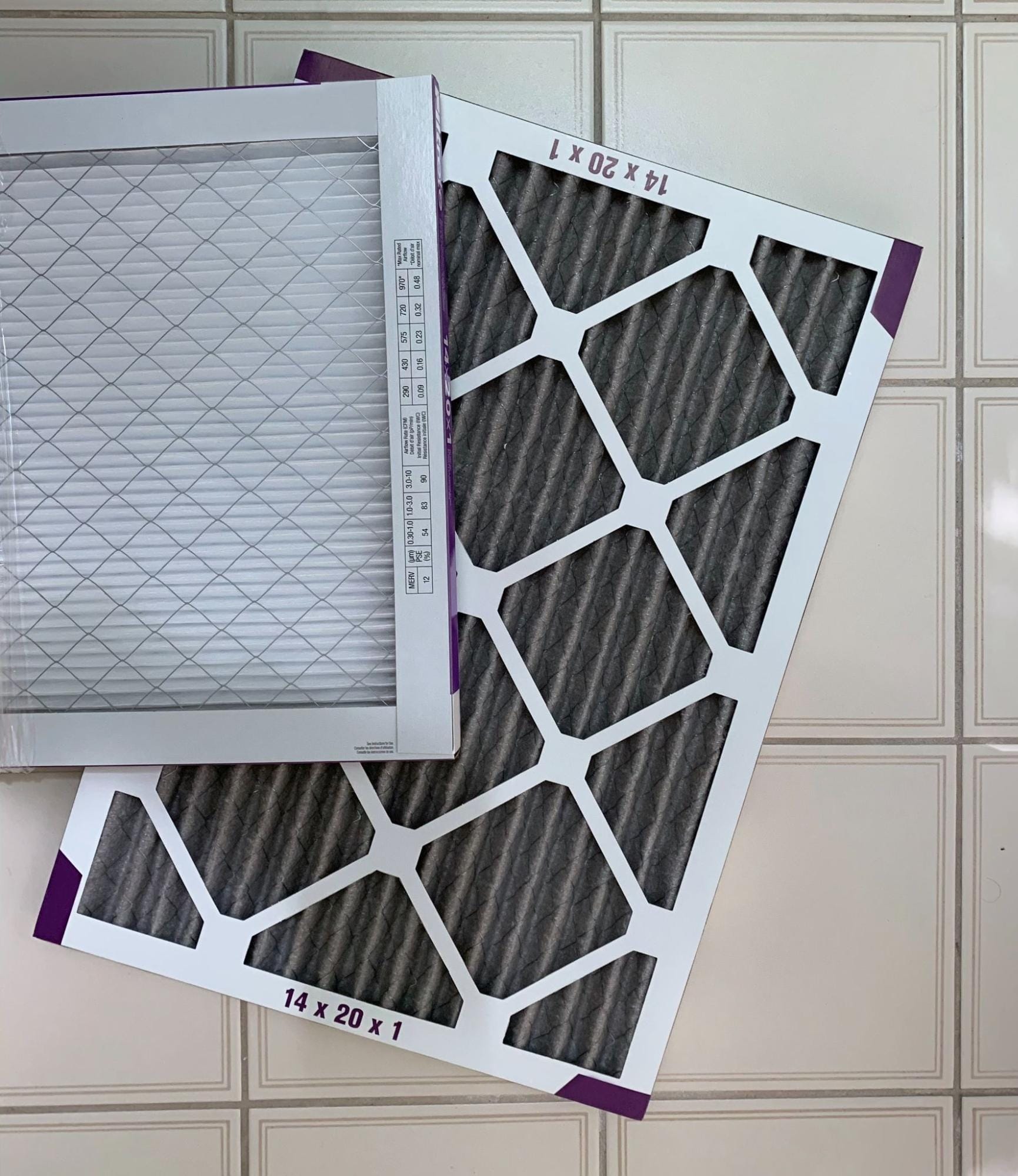
HEPA (High-Efficiency Particulate Air) filters are designed to capture 99.97% of particles at 0.3 microns, including dust, pollen, and pet dander. This level of filtration reduces allergen loads and airborne irritants that can exacerbate respiratory conditions. HEPA filtration is commonly specified in homes where occupants have allergies or asthma to provide measurable improvements in indoor air quality.
What Are the Benefits of Activated Carbon and UV Light Filters?
Activated carbon filters remove odors and volatile organic compounds (VOCs) through adsorption, making them suitable for kitchens and other odor-prone areas. UV light modules use ultraviolet radiation to inactivate bacteria, viruses, and mold spores, providing an additional layer of pathogen control. When combined with HEPA filtration, these technologies expand the range of pollutants addressed by a residential air‑quality system.
How Do Air Filtration Systems Improve Health and Comfort for Homeowners?
Air filtration systems improve both indoor air quality and occupant health. By lowering allergen and airborne pollutant concentrations, systems can reduce symptoms associated with allergies and respiratory conditions. Enhanced IAQ also contributes to improved comfort and can support better sleep and overall well‑being.
Can Air Filtration Reduce Allergens and Airborne Pollutants?
Yes. Filtration systems, particularly those incorporating HEPA filtration systems, effectively reduce household allergens and airborne particulates. Studies report measurable declines in allergen concentrations in homes with HEPA filtration, with occupants noting reduced symptoms and improved quality of life when systems are used consistently.
What Are the Documented Health Benefits of Improved Indoor Air Quality?
Research associates improved indoor air quality, enhanced respiratory health, reduced asthma exacerbations, and increased occupant comfort. Cleaner air also supports cognitive function and productivity. Homeowners who invest in effective air filtration can expect long‑term health advantages, particularly in environments with elevated indoor pollutant levels.
How Is Professional Air Purifier Installation Conducted in New Baltimore?
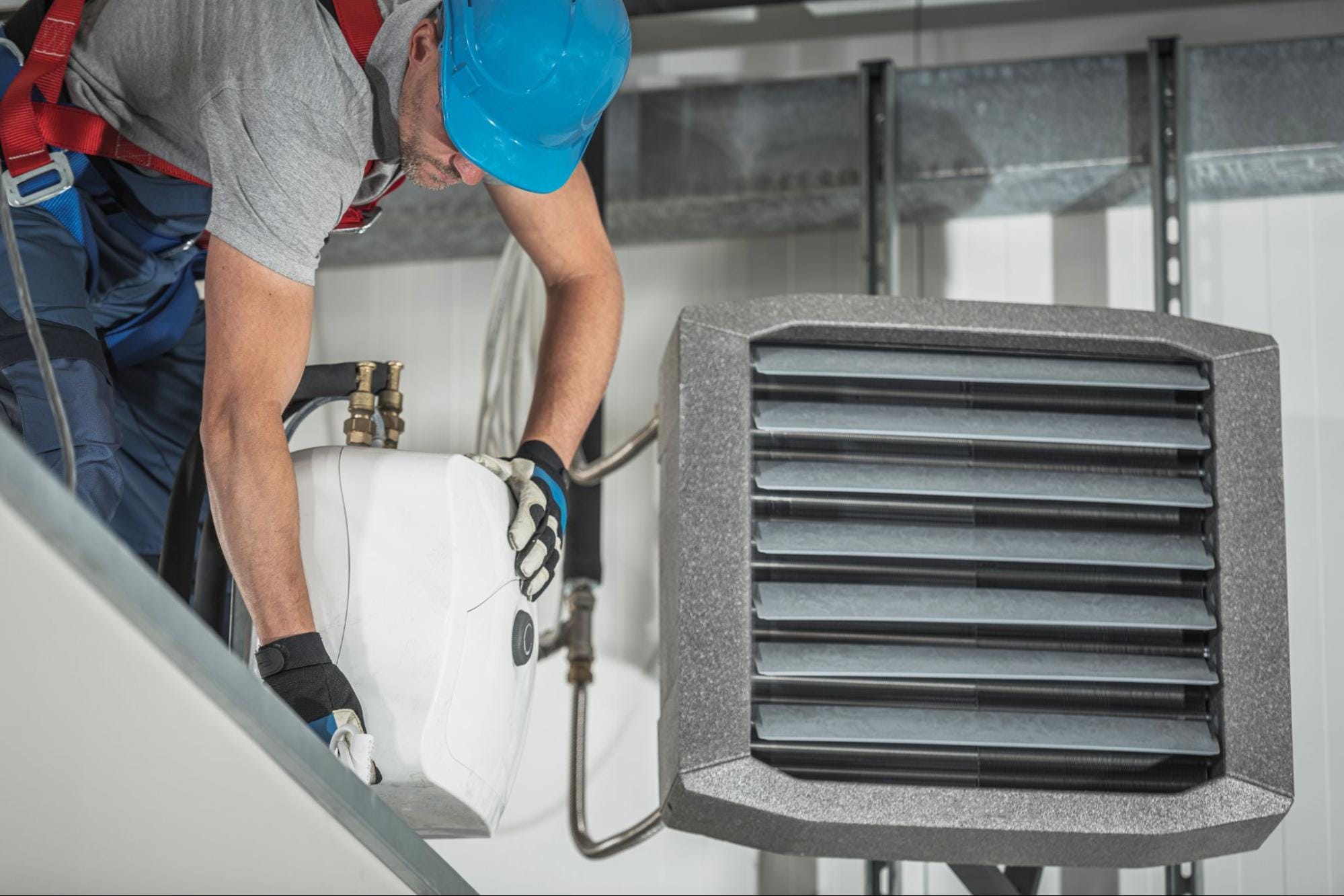
Installation begins with an assessment of the home’s layout and indoor air quality requirements. Technicians specify optimal unit placement to maximize air circulation. Typical installations take several hours, depending on system complexity and the existing HVAC configuration.
What Are the Recommended Maintenance Practices for Air Filtration Systems?
Maintain system performance through prescribed maintenance: replace filters at manufacturer‑recommended intervals, commonly every 3 to 6 months depending on usage and ambient air quality, and conduct routine inspections to detect issues early and sustain efficient operation.
What Are the Costs and Financing Options for Whole House Air Filtration Systems?
Whole‑house air filtration costs vary with system type, installation complexity, and optional features. Homeowners should budget for initial installation and ongoing maintenance expenses.
How Do Installation and Filter Replacement Costs Vary?
Installation typically ranges from $1,000 to $3,000, depending on system complexity and home requirements. Filter replacements generally cost $30 to $100 per filter, varying by type and brand. Investing in higher‑quality filters can reduce long‑term replacement frequency and total ownership cost.
What Local Air Quality Challenges Affect Indoor Air in St Clair County?
St. Clair County experiences air quality challenges that affect indoor environments. Common outdoor contaminants, such as dust, pollen, and industrial smoke, can infiltrate residences and degrade indoor air quality.
How Do Regional Pollutants Impact Home Air Quality?
Regional pollutants can significantly degrade indoor air quality and increase health risks. Pollen may trigger allergic responses, while dust and smoke can aggravate respiratory conditions. Homeowners should address these risks through appropriate air filtration measures.
Improve Your Home’s Air the Right Way
If you’re dealing with dust, allergies, or inconsistent air quality, upgrading your filtration system can make a real difference. In New Baltimore homes, especially with pets or seasonal changes, standard filters don’t always do enough.
At S&P Heating, we help homeowners choose filtration systems that improve airflow and reduce airborne particles without putting extra strain on the HVAC system. If you’re ready to improve your indoor air quality and want a solution that actually works long-term, contact us today, and we’ll help you find the right setup.
FAQ
What type of air filter is best for home use?
Higher-rated filters, such as MERV 11–13, are commonly recommended for improved air quality without restricting airflow too much.
How often should air filters be replaced?
Most filters should be replaced every 1–3 months, depending on usage and home conditions.
Can better filtration reduce allergies?
Yes, improved filtration helps capture allergens like dust and pet dander, which can reduce symptoms over time.
Explore More HVAC and Air Quality Tips
Looking for more ways to improve comfort and efficiency in your home? Visit the S&P Heating blog for more practical tips and expert advice tailored to New Baltimore homeowners.