Heat pumps are a great all-in-one system for both heating and cooling, but, like any mechanical system, they’re not perfect. Across Chesterfield and the surrounding areas, we see a handful of recurring issues, especially given Michigan’s weather, which shifts between freezing winters and humid summers.
Most homeowners don’t notice a problem right away. It usually starts small, maybe a room doesn’t feel quite right, or the system runs more often than it used to. Over time, those small signs can turn into bigger performance issues or higher energy bills.
This guide walks through the most common heat pump problems we see in real homes, what they usually mean, and what you can realistically check before calling for service.
Key Signs of Heat Pump Problems in Your Home
Most heat pump issues are pretty easy to notice once you know what to look for.
If your system isn’t keeping up with the temperature you set, that’s usually the first sign something is off. In Michigan winters, that becomes more obvious when the system struggles during cold snaps.
Strange noises are another red flag. Grinding, clanking, or high-pitched sounds aren’t normal and usually point to mechanical wear or internal issues.
Frequent cycling, where the system keeps turning on and off, can also be a problem. Not only does it affect comfort, but it also puts extra strain on the system over time.
Step-by-Step Heat Pump Troubleshooting for Homeowners
Before calling for service, there are a few simple things you can check that solve a surprising number of issues.
Start with the thermostat. Make sure it’s set to the correct mode, the temperature is set properly, and batteries (if applicable) aren’t dead. It sounds basic, but this is one of the most common things we run into.
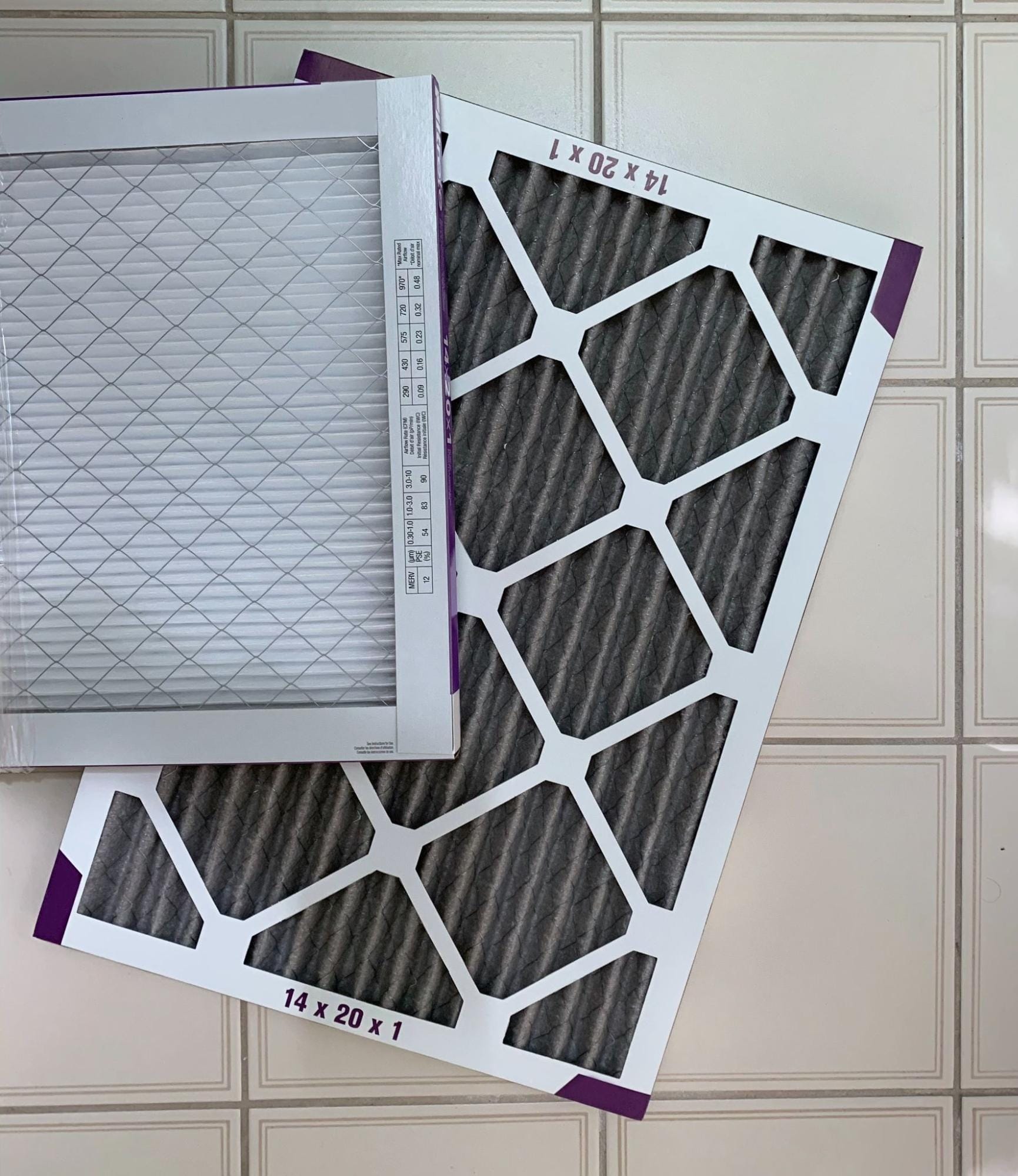
Next, check the air filter. Dirty filters are a big deal in this area because of dust, pollen, and seasonal debris. A clogged filter restricts airflow, making the whole system feel underpowered.
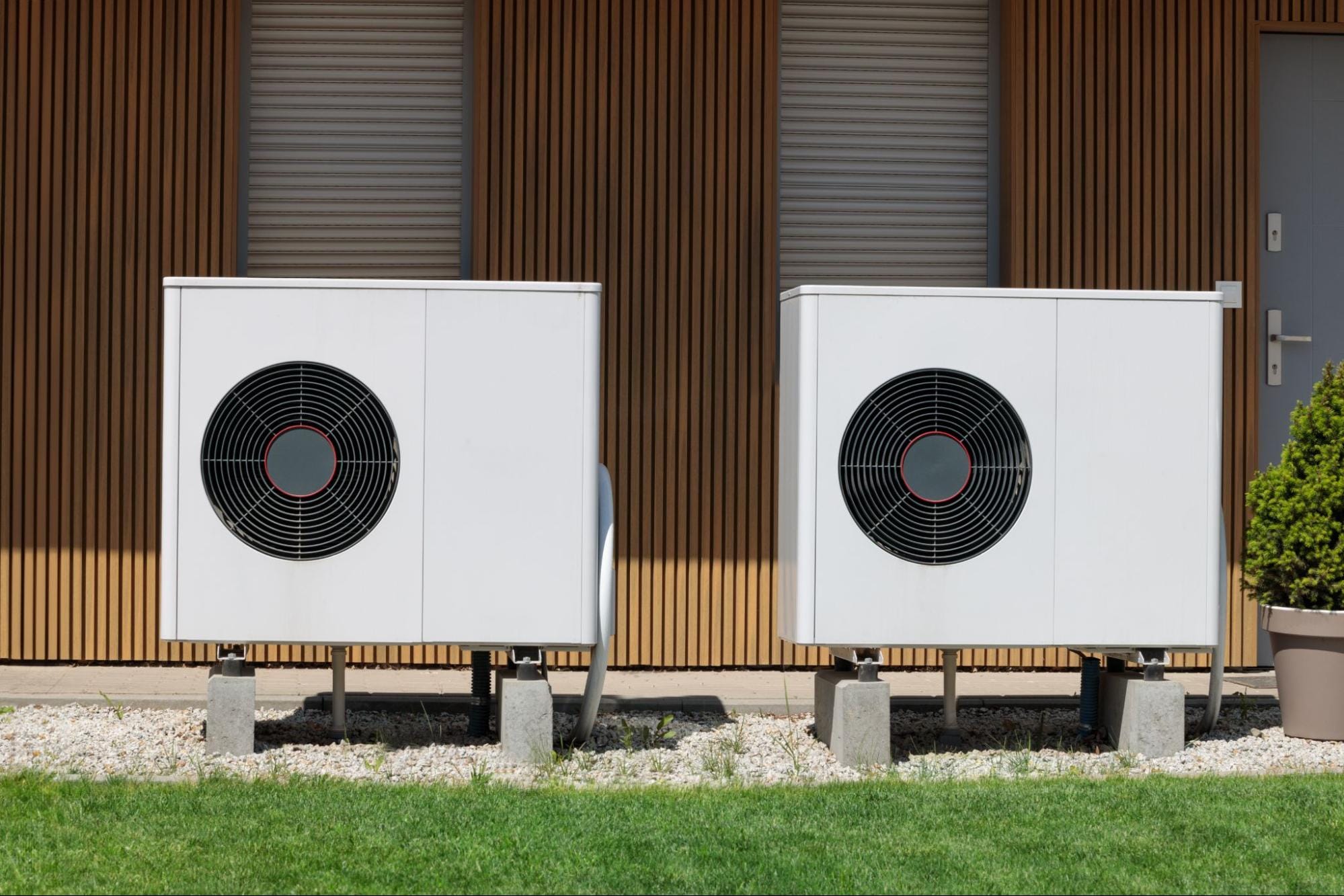
Then take a look at the outdoor unit. Leaves, snow buildup, or debris can block airflow and reduce efficiency, especially during fall and winter.
If everything looks fine, but the system still isn’t performing, that’s usually a sign that the issue is deeper.
Preventative Heat Pump Maintenance for Long-Term Performance
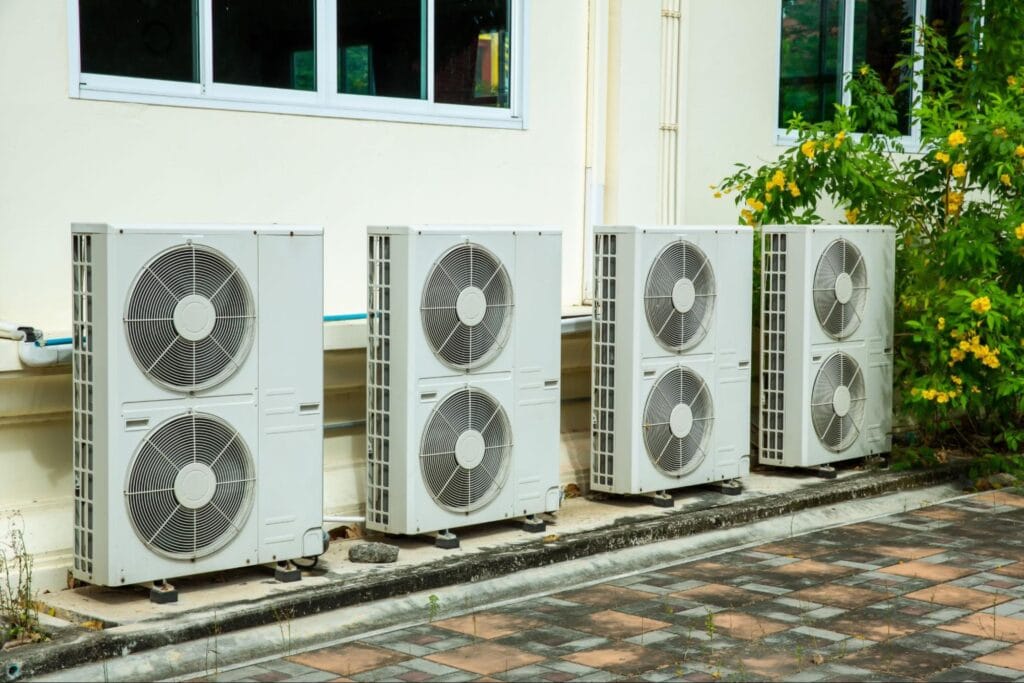
A lot of the issues we see could have been avoided with basic maintenance.
Annual service is one of the best ways to keep a heat pump running efficiently. It gives a technician a chance to catch small problems before they turn into expensive repairs.
Filter maintenance is just as important. In homes with pets, dust, or higher humidity, filters may need more frequent attention than expected.
It also helps to pay attention to how your system behaves. Changes in airflow, noise, or energy use are usually early warning signs that something needs attention.
Why Your Heat Pump Isn’t Heating Properly
When a heat pump isn’t heating well, it’s usually tied to a few common causes.
Sometimes it’s as simple as thermostat settings being off or the system not being in the correct mode. Other times, it’s an electrical issue like a tripped breaker.
Low refrigerant is another possibility, especially if the system has been running fine and suddenly starts struggling. That reduces heat transfer and needs professional attention.
What Causes Heat Pump Freezing and How to Fix It
Freezing is common during Michigan winters. In many cases, it comes down to airflow. If the filter is clogged or the outdoor unit is blocked by snow or debris, the system can freeze up.
Low refrigerant levels can also cause freezing, as can dirty coils that reduce heat transfer.
Clearing airflow issues can sometimes solve the problem, but if freezing keeps happening, it’s usually a sign that the system needs a closer look.
Short Cycling and Why It Matters
Short cycling is when the system turns on and off too frequently. This leads to uneven temperatures, higher energy use, and extra wear on the system. Around here, it often shows up during temperature swings when the system is already working harder.
Common causes include thermostat issues, refrigerant problems, or control board faults.
How to Prevent Short Cycling
Preventing short cycling usually comes down to keeping the system running the way it should.
Clean filters help maintain proper airflow. Keeping the outdoor unit clear helps the system operate efficiently. And checking thermostat settings ensures the system isn’t being triggered incorrectly.
These small steps can make a noticeable difference.
When to Call a Professional for Heat Pump Repair
There’s a point where DIY checks stop being helpful. If the system still isn’t working after you’ve checked the basics, it’s time to bring in a technician. The same goes for refrigerant issues, electrical problems, or anything involving unusual or loud noises.
In Chesterfield, especially during winter, waiting too long can turn a small issue into a bigger one; so it’s usually better to address it early.
Get Reliable Solutions for Heat Pump Problems
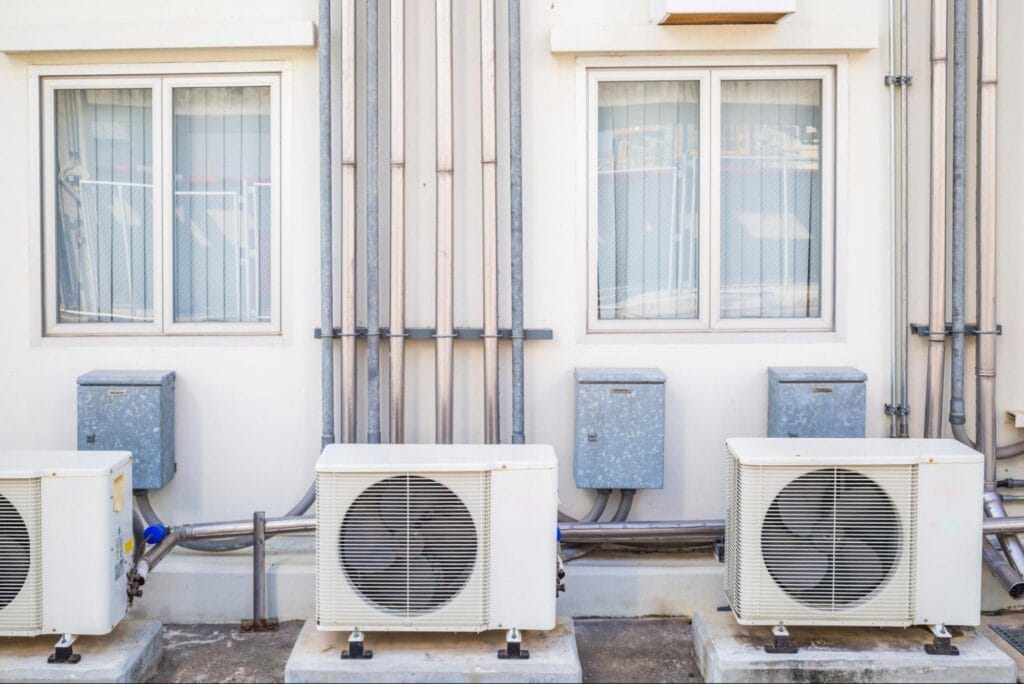
If your heat pump isn’t keeping up or something just feels off, it’s usually a sign the system needs attention before the problem gets worse.
At S&P Heating, we work with homeowners across Chesterfield to diagnose real-world issues and fix them the right way. Whether it’s a refrigerant problem, airflow issue, or something more complex, the goal is simple: get your system running the way it should.
If you want your heat pump to handle Michigan winters and summers without constant issues, contact us today, and we’ll take a look and help you figure out the best next step.
FAQ
Why is a heat pump blowing cold air in winter?
This can happen during defrost cycles or due to system issues. If it persists, it’s best to have it inspected.
What causes a heat pump to freeze up?
Common causes include restricted airflow, low refrigerant levels, or outdoor coil issues. Regular maintenance helps prevent this problem.
How often should heat pumps be serviced?
Heat pumps should be serviced at least once a year, though twice annually is recommended for optimal performance.
Keep Going: Improve Your Indoor Air Quality
Next, explore: “Improve Indoor Air Quality in New Baltimore Homes.”