A correctly installed heat pump plays a big role in how comfortable your home actually feels, especially in a place like Chesterfield, where winters hit hard, and summers bring humidity swings. When everything is set up right, a heat pump can handle both heating and cooling efficiently without constantly driving up your energy bills.
But here’s what we see a lot in real homes around here: systems that look fine on paper but struggle because of installation mistakes. Things like poor sizing, bad placement, or airflow issues don’t always show up right away, but over time they lead to uneven temperatures, higher costs, and more wear on the system.
This article breaks down the most common installation mistakes and what actually matters if you want a system that holds up through Michigan weather.
Common Installation Mistakes to Avoid
There are a few issues that keep coming up in Chesterfield homes, and most of them are preventable.
Improper sizing is one of the biggest. A system that’s too large will short-cycle and wear out faster, while one that’s too small will struggle during cold snaps. Around here, that usually shows up when temperatures drop quickly, and the system can’t keep up.
Ductwork is another problem area. If ducts are undersized, leaking, or poorly designed, airflow gets restricted, and rooms won’t heat or cool evenly.
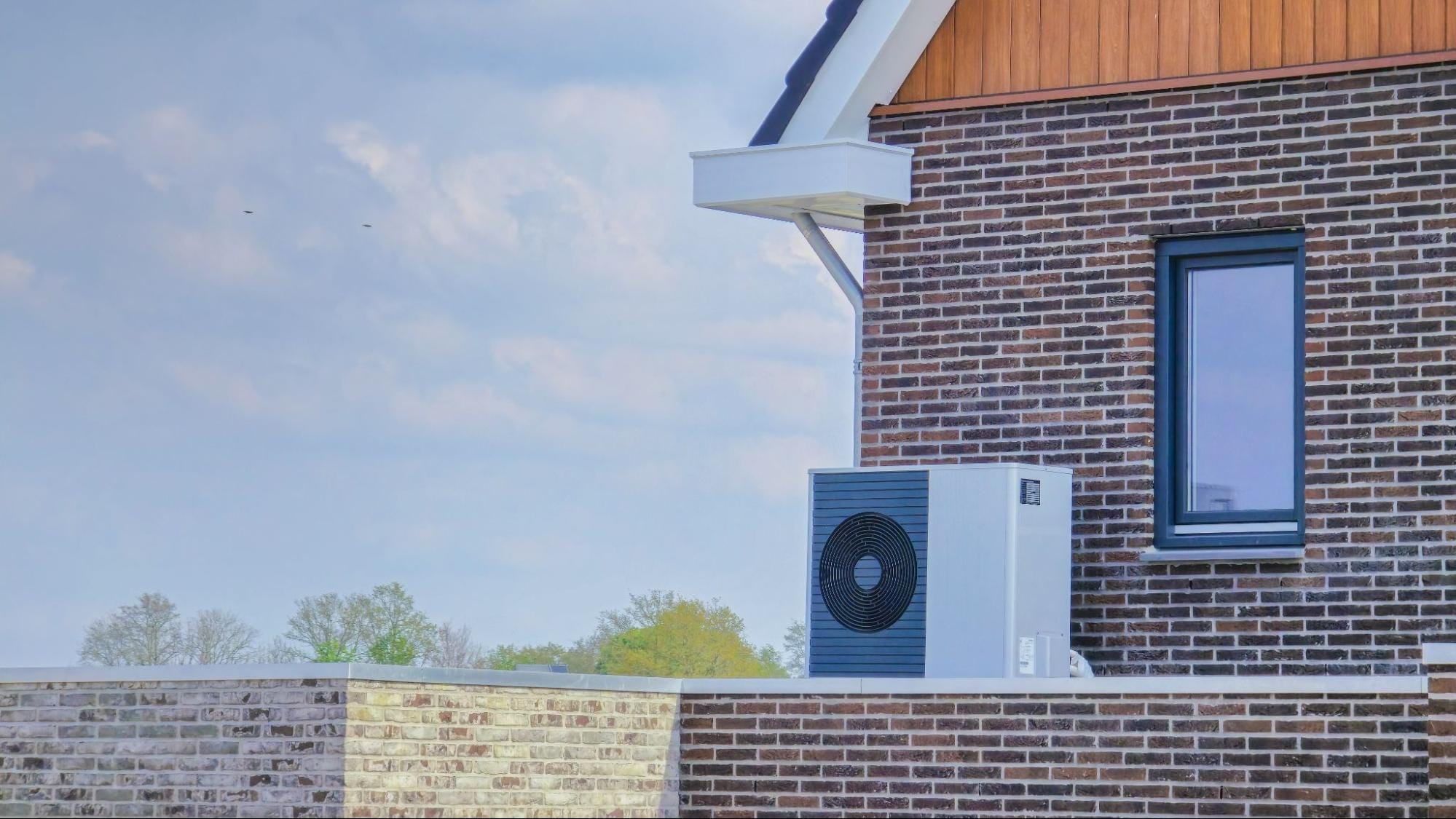
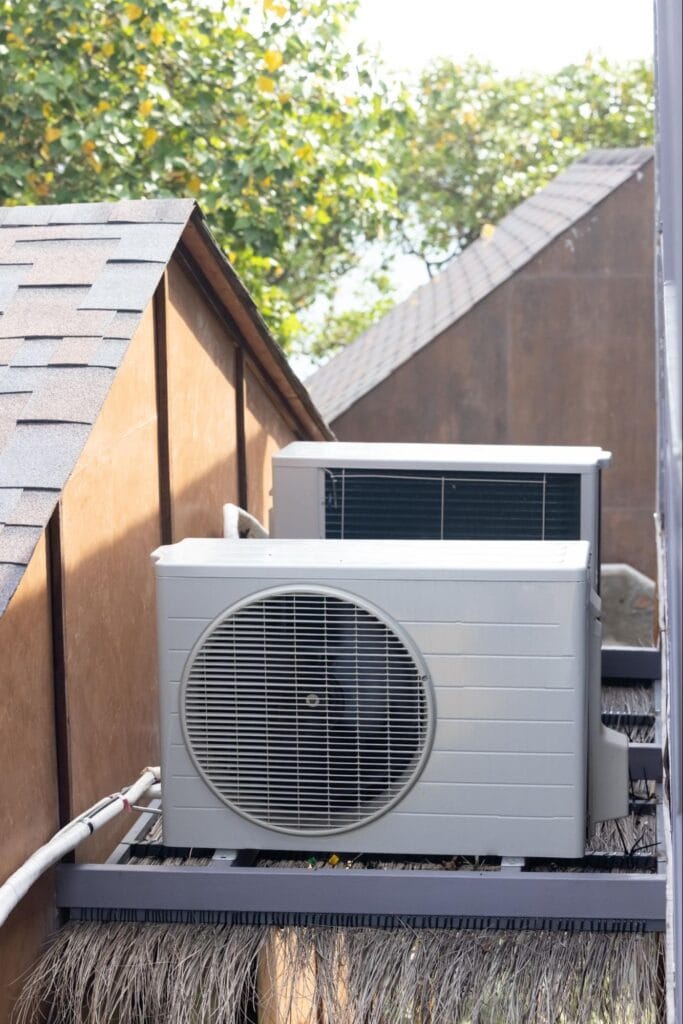
Placement also matters more than people think. Outdoor units installed where snow piles up, or airflow is blocked, can lose efficiency quickly during winter. Indoor units placed poorly can lead to uneven comfort.
Fixing these issues early makes a big difference in long-term performance.
Getting the Setup Right From the Start
A well-planned installation goes beyond just putting equipment in place. It’s about matching the system to the home.
Before installation, the home should be evaluated for insulation, window performance, and actual use of the space. A house near the lake will behave differently from one further inland, especially with respect to wind and humidity.
Choosing the right equipment also matters. Systems from brands like Bryant or Midea can perform very well when they’re matched correctly to the space and installed properly.
It’s also important to think about seasonal changes. In Chesterfield, you’re dealing with both freezing winters and humid summers, so the system needs to handle both without struggling.
A little extra planning up front avoids a lot of problems later.
Best Practices That Actually Make a Difference
Some of the most important installation practices are pretty straightforward, but they’re often overlooked.
Following manufacturer guidelines is one of them. Every system is designed to run a certain way, and skipping those details can affect both performance and warranty coverage.
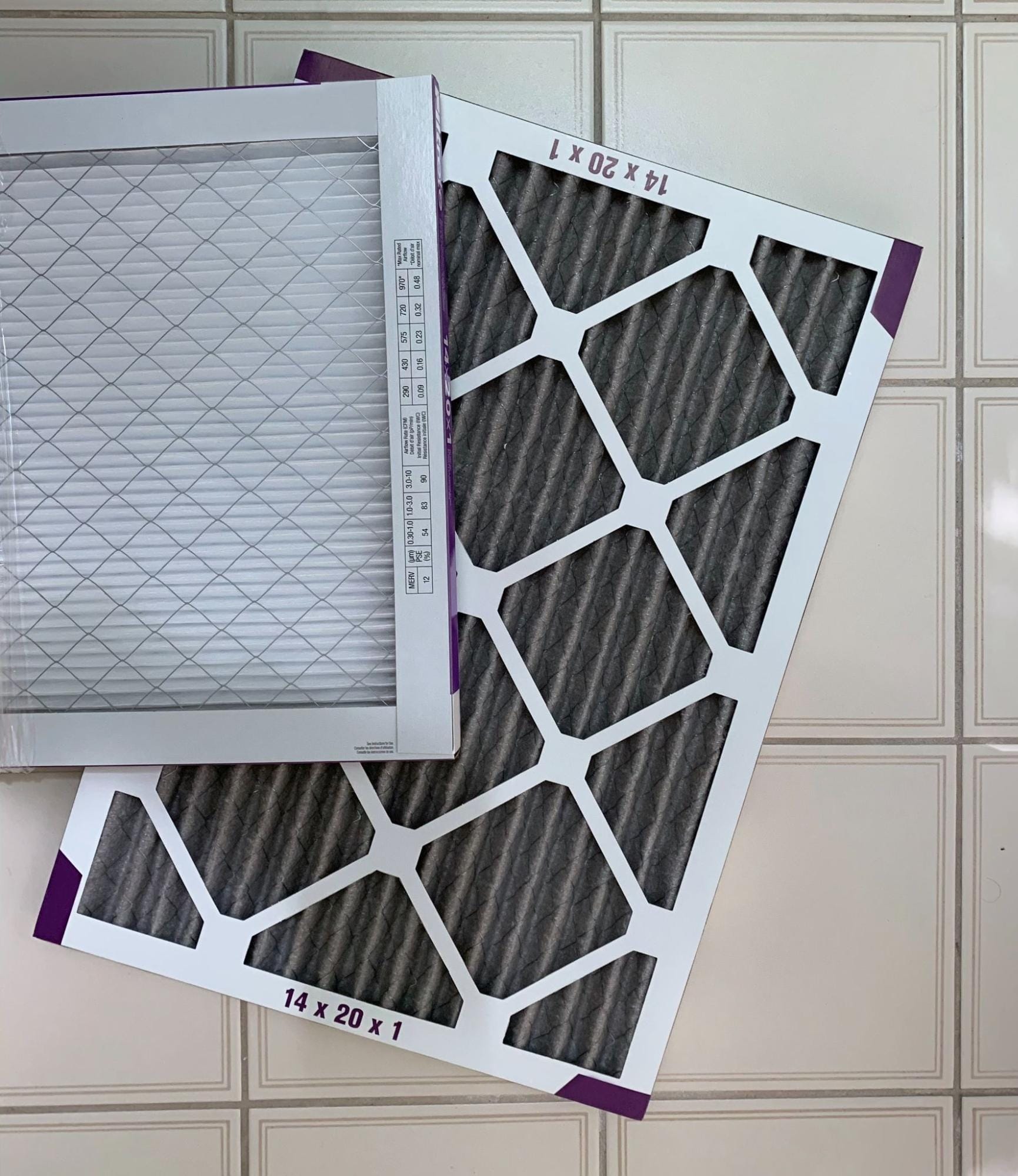
Regular maintenance is another piece of the puzzle. Filters, refrigerant levels, and airflow need to be checked regularly to keep the system running efficiently.
It also helps to monitor how the system performs after installation. If you notice uneven temperatures, unusual noises, or higher-than-expected energy use, these are usually early signs that something needs adjustment.
Staying on top of these basics keeps small issues from turning into bigger ones.
Why Final Testing Matters More Than People Think
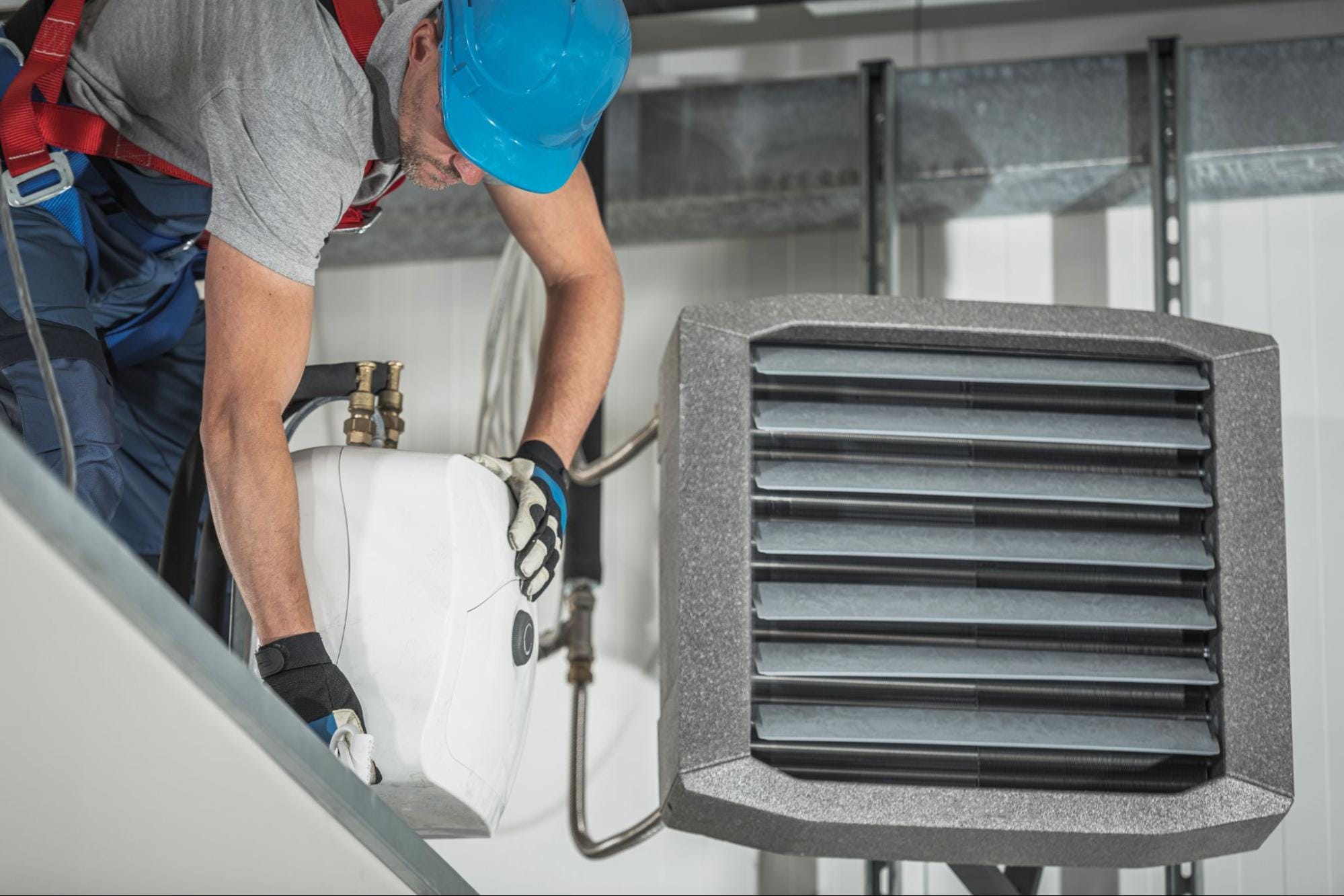
One step that often gets overlooked is system commissioning; basically, making sure everything is actually working the way it should after installation.
This includes checking airflow, refrigerant levels, thermostat settings, and how the system switches between heating and cooling. In a place like Chesterfield, where temperatures can shift quickly, this step is especially important.
Even a well-installed system can underperform if it’s not tested and adjusted properly at the end. Small tweaks here can make a noticeable difference in comfort and efficiency.
Quick Checklist Before Your Heat Pump Installation
Before moving forward with installation, it helps to double-check a few key things that can impact long-term performance:
- Confirm the system size is based on a proper load calculation; not a rough estimate
- Make sure the outdoor unit location allows for airflow and won’t be buried by snow in winter
- Verify your electrical panel can handle the system without upgrades
- Check that ductwork (if used) is sealed and sized correctly for airflow
- Ask about thermostat compatibility, especially for smart or multi-stage systems
- Review warranty coverage and what installation requirements must be met to keep it valid
Taking a few minutes to review these details upfront can prevent performance issues and unexpected costs later.
Avoid Installation Problems From the Start
If you’re planning a heat pump installation, the biggest thing to focus on isn’t just the equipment; it’s making sure everything is set up correctly for your home.
At S&P Heating, we work with homeowners in Chesterfield to figure out what actually makes sense based on layout, insulation, and how the home handles Michigan weather. Whether it’s a Bryant system, a Midea setup, or another option, the goal is the same: something that runs efficiently and holds up over time.
If you’re trying to avoid the kind of issues that lead to higher bills and uneven comfort, contact us today, and we’ll help you get it set up the right way from the start.
FAQ
What is the most common heat pump installation mistake?
Incorrect sizing is one of the most common mistakes. A system that’s too large or too small can reduce efficiency and cause uneven temperatures.
Can poor installation affect energy efficiency?
Yes, improper installation can significantly reduce efficiency and increase operating costs. Even high-quality systems won’t perform well if installed incorrectly.
How do you know if your heat pump was installed correctly?
Signs include consistent temperatures, quiet operation, and reasonable energy bills. If you notice issues, a professional inspection can confirm proper installation.
Next Up: Understanding Common Heat Pump Problems
Continue with: “Common Heat Pump Issues Homeowners Face.”