Indoor air quality is one of those things most homeowners don’t think about until something feels off. Maybe it’s constant dust, allergy flare-ups, or that slightly musty smell in the basement that never really goes away. Around New Baltimore, we see this a lot, especially in older homes, with changing seasons and the mix of summer humidity and winter dry air.
The reality is that the air inside your home can have a greater impact on comfort than temperature alone. If your HVAC system isn’t moving and filtering air properly, you’re not just dealing with comfort issues; you’re also dealing with dust, pet dander, and other particles circulating through your home.
This guide breaks down what actually helps improve indoor air quality in real homes, and what tends to make the biggest difference over time.
What Affects Indoor Air Quality in New Baltimore Homes?
In this area, a few things tend to recur. Humidity is a big one. Summers around New Baltimore can get pretty damp, and that moisture can build up indoors, especially in basements or lower levels. That’s where you start to notice that “heavy” feeling in the air or even mild musty smells.
Then there’s dust and allergens. Between seasonal pollen, pets, and everyday activity, particles build up quickly. If your system isn’t filtering properly, those just keep circulating.
Ventilation also plays a role. Homes that are sealed tight for energy efficiency sometimes don’t get enough fresh air exchange, which can make indoor air feel stale.
How Your HVAC System Impacts Air Quality
Your HVAC system does more than heat and cool; it also controls airflow, filtration, and humidity.
When everything is working the way it should, the system helps move air evenly, capture particles, and maintain balanced moisture levels. But when something is off, like dirty filters or poor airflow, you start to notice it pretty quickly.
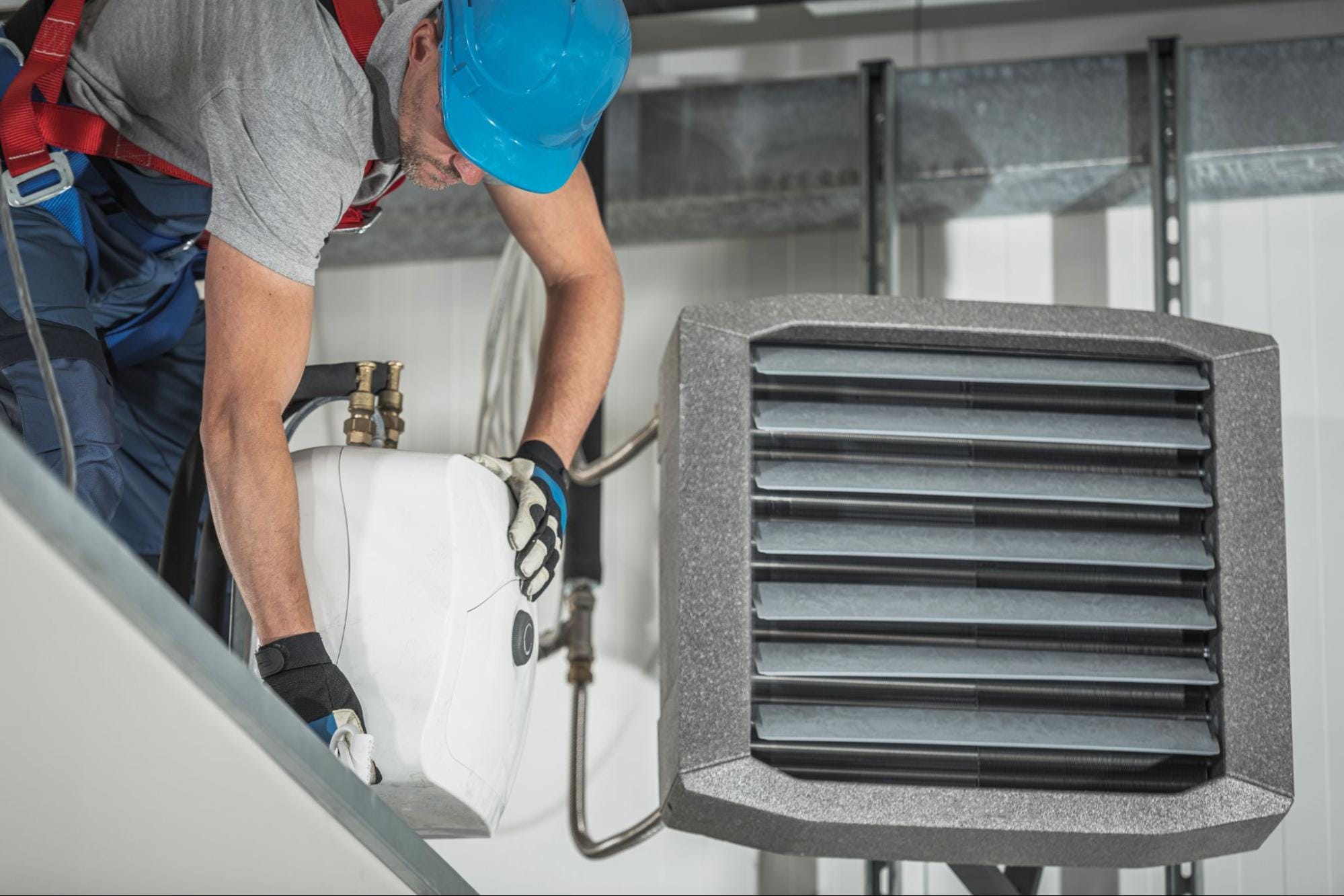
Proper installation matters here. Whether it’s a central system, a heat pump, or even a ductless setup, the system needs to be sized and set up correctly for your home. Otherwise, you end up with uneven airflow and poor filtration.
Regular maintenance is just as important. If filters aren’t changed or components aren’t cleaned, air quality begins to decline even while the system is still running.
Air Filtration: What Actually Helps
Air filters are one of the simplest ways to improve indoor air quality, but not all filters do the same thing.
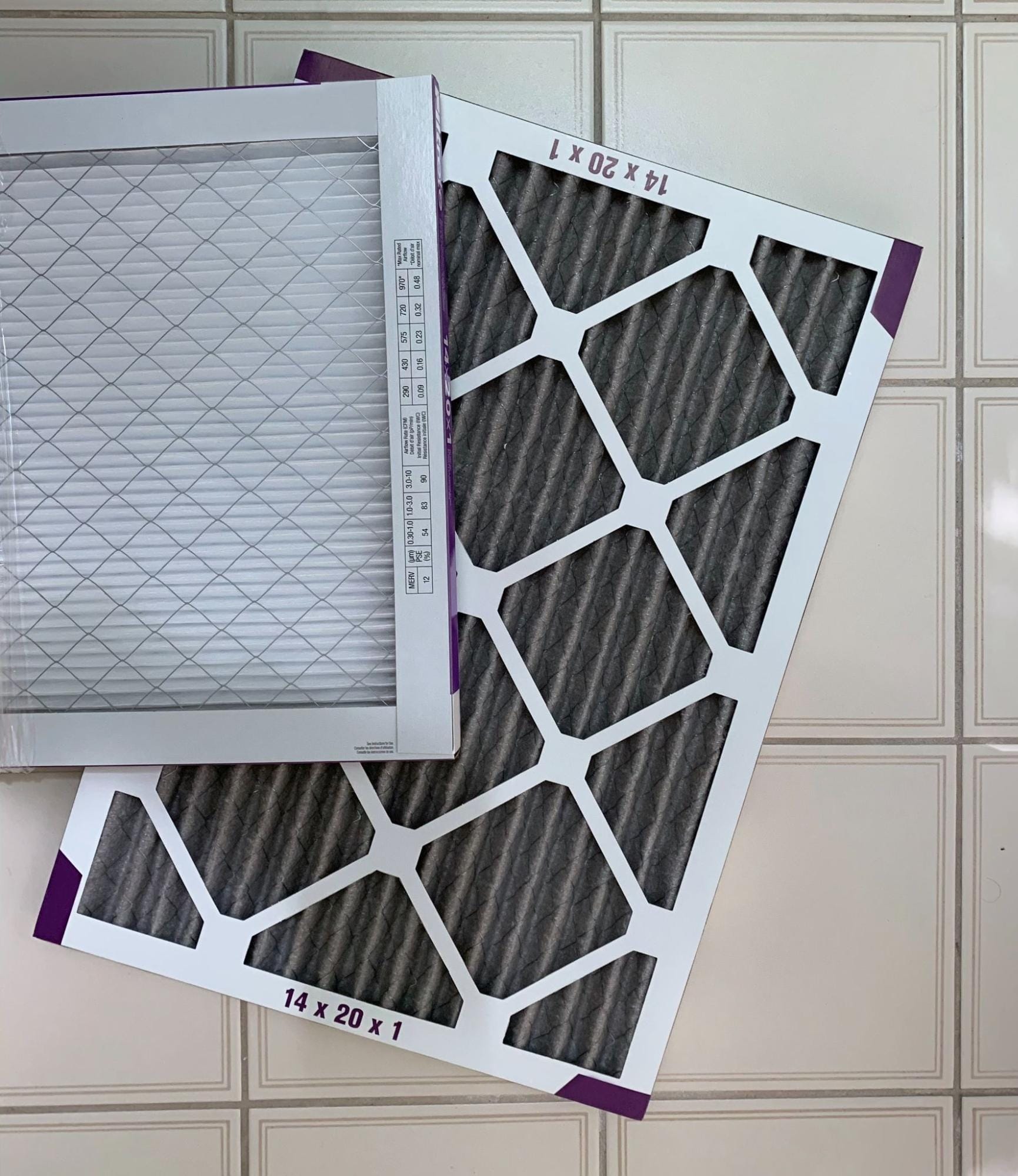
Basic filters help with larger dust particles, but higher-rated options like MERV 13 filters can capture smaller particles like pollen and pet dander. For homes with allergies, this can make a noticeable difference.
The key is consistency. Even the best filter won’t help if it’s clogged or hasn’t been changed in months. In homes with pets or higher dust levels, filters may need to be replaced more often than expected.
Duct Cleaning: When It Makes a Difference
Duct cleaning isn’t necessary for every home, but in certain situations, it can help.
If you’ve recently renovated, have pets, or notice dust buildup around vents, your ductwork may be circulating particles throughout the house. In those cases, cleaning can improve airflow and reduce what’s moving through the system.
For most homes, this isn’t something that needs to be done every year. But every few years, especially in homes around New Baltimore, it can make a noticeable difference.
Air Purifiers: When You Need Extra Help
Sometimes filtration through the HVAC system isn’t enough on its own.
Air purifiers can help target specific problems, such as allergens, odors, and airborne particles. In real homes, we usually see these used in bedrooms, living areas, or basements where air quality tends to be worse.
HEPA-based systems are commonly used for allergens, while carbon filters can help with odors. UV systems are sometimes added for additional air treatment, depending on the situation.
The key is matching the solution to the problem. Not every home needs every type of system.
How Seasonal Changes Affect Air Quality
Michigan’s seasonal shifts play a bigger role in indoor air quality than most people expect.
In summer, humidity can make the air feel heavy and contribute to musty conditions. In winter, the opposite happens: the air gets dry, which can lead to discomfort and irritation.
Spring and fall bring their own challenges with pollen and outdoor debris making their way inside.
That’s why air quality isn’t a one-time fix. It changes throughout the year, and your system needs to keep up with those changes.
Simple Habits That Improve Air Quality
Some of the most effective improvements don’t require major upgrades.
Regular filter changes, keeping vents clear, and paying attention to airflow can go a long way toward improving performance. If a room feels stuffy or dusty, there’s usually a reason, and it’s often something small that can be corrected.
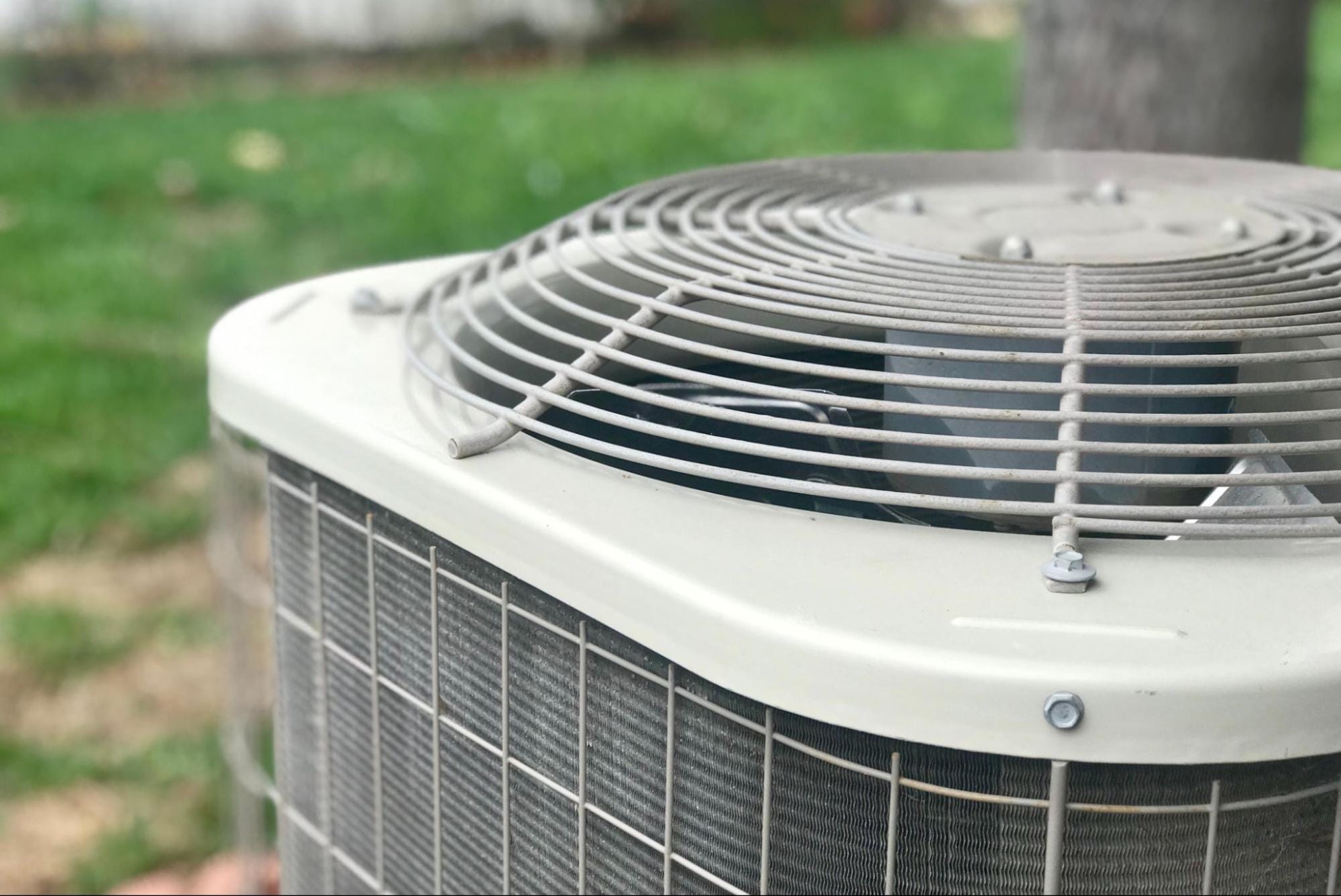
Also, keeping the outdoor unit clear of debris and ensuring airflow isn’t blocked helps the system work as it’s supposed to.
How HVAC Maintenance Supports Cleaner Air
Routine maintenance is one of the most overlooked parts of indoor air quality.
When systems are inspected regularly, technicians can catch issues like clogged filters, dirty coils, or airflow problems before they start affecting comfort.
In places like New Baltimore, where systems run through both humid summers and cold winters, staying on top of maintenance helps keep air moving cleanly and efficiently.
Combining HVAC and Air Quality Solutions
The best results usually come from combining a few approaches rather than relying on just one.
A properly installed HVAC system, paired with good filtration and, if needed, targeted air purification, creates a more balanced indoor environment. Instead of just treating symptoms, it helps address the root of the problem.
This approach tends to be more effective than trying to fix air quality with one single upgrade.
Breathe Easier in Your New Baltimore Home
If your home feels dusty, humid, or just not as comfortable as it should, indoor air quality is usually part of the problem. The good news is, most of these issues are fixable once you understand what’s causing them.
At S&P Heating, we help homeowners in New Baltimore figure out what’s actually affecting their air, whether it’s filtration, airflow, humidity, or a combination of things. From simple fixes to more complete system upgrades, the goal is to make your home feel cleaner and more comfortable year-round.
If you’re dealing with air quality issues and want a solution that actually works for your home, contact us today, and we’ll help you figure out the next step.
FAQ
What are common signs of poor indoor air quality?
Common signs include frequent allergies, musty odors, excessive dust, and inconsistent airflow.
Can HVAC systems improve air quality?
Yes, proper filtration, humidity control, and ventilation systems can significantly improve indoor air quality.
How often should air filters be replaced?
Most filters should be replaced every 1–3 months, depending on usage and household conditions.
Next Read: Indoor Air Quality Testing Explained
Continue with: “Indoor Air Quality Testing Services in New Baltimore: Comprehensive Guide for Homeowners.”