Planning a furnace installation in New Baltimore involves more than selecting the right heating equipment. While homeowners often compare efficiency ratings, fuel types, and system sizes, one small component can have a surprisingly large impact on comfort and performance: the furnace filter. Choosing the right filter from the beginning helps protect your new equipment, supports healthy airflow, and contributes to cleaner indoor air throughout the heating season.
At S&P Heating, we encourage homeowners to view a furnace installation as an opportunity to optimize the entire heating system rather than focusing solely on the furnace itself. The filter you choose affects everything from airflow and indoor air quality to maintenance requirements and long-term system performance, making it an important decision that deserves careful consideration.
Your Furnace Filter Does More Than Trap Dust
Many people assume the furnace filter exists only to keep dust out of the heating system. While protecting internal components is certainly one of its primary jobs, the filter also plays a significant role in maintaining proper airflow throughout the home.
As your furnace operates, air continuously passes through the filter before moving across the blower and heat exchanger. A properly selected filter captures airborne particles while still allowing enough air to move freely through the system. That balance is important because both filtration and airflow contribute to overall heating performance.
Understanding this balance helps explain why selecting the right filter matters just as much as remembering to replace it regularly.
Why One Filter Doesn’t Fit Every Home
Walk through the filter aisle of any home improvement store, and you’ll quickly notice there are dozens of options. Filters vary in size, material, construction, and efficiency, making it easy to assume that choosing the most expensive option is automatically the best decision.
In reality, the ideal filter depends on several factors, including your furnace, your home’s airflow requirements, and your household’s needs. A home with multiple pets may benefit from a different filter than a home occupied by allergy sufferers. At the same time, a high-efficiency heating system may have different airflow requirements than an older furnace.
Choosing the right filter means considering both the equipment and the people living in the home.
Understanding MERV Ratings Without the Confusion
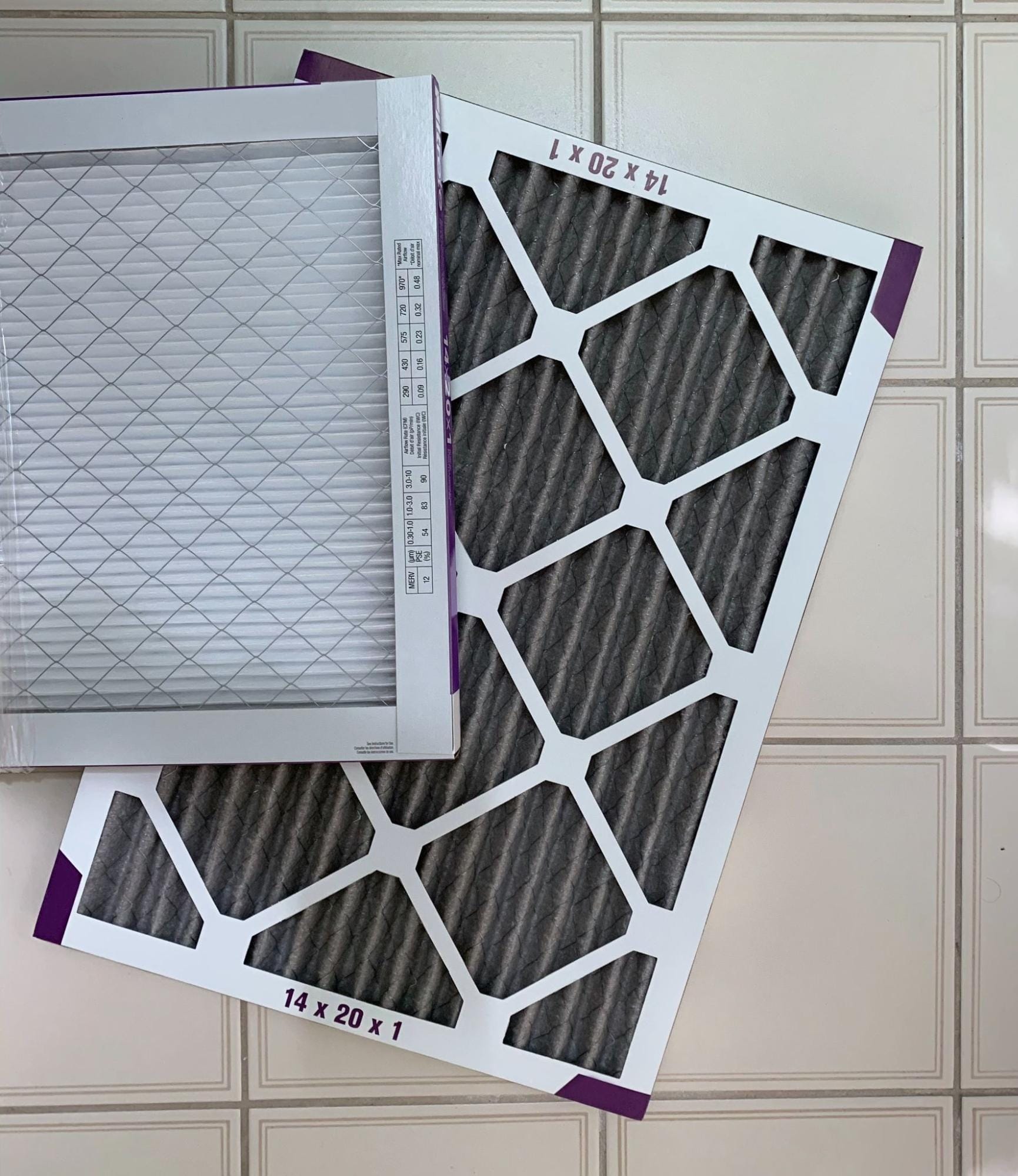
One of the first specifications you’ll encounter is the MERV filter rating. MERV, which stands for Minimum Efficiency Reporting Value, measures how effectively a filter captures airborne particles of different sizes.
Higher MERV filter ratings generally capture smaller particles, including fine dust, pollen, and certain other airborne contaminants. However, higher isn’t always better.
As filtration efficiency increases, airflow resistance may also increase. Some heating systems are designed to accommodate higher-efficiency filters, while others perform better with filters that provide less resistance. Using a filter rated above your furnace’s airflow capacity can reduce system performance rather than improve it.
This is one reason installers often recommend following the manufacturer’s guidelines rather than simply purchasing the highest-rated filter available.
Furnace Installation in New Baltimore: Why Airflow Should Never Be Overlooked
During a furnace installation in New Baltimore, airflow is one of the most important factors technicians evaluate. Proper airflow helps the furnace distribute heat evenly, maintain safe operating temperatures, and achieve the efficiency levels it was designed to deliver.
A filter that creates excessive airflow restriction can force the blower motor to work harder while reducing the amount of warm air reaching different parts of your home. Over time, restricted airflow may contribute to higher operating costs and unnecessary wear on HVAC components.
Selecting a filter that balances filtration and airflow helps support better overall system performance throughout the heating season.
Indoor Air Quality Begins With the Right Filter
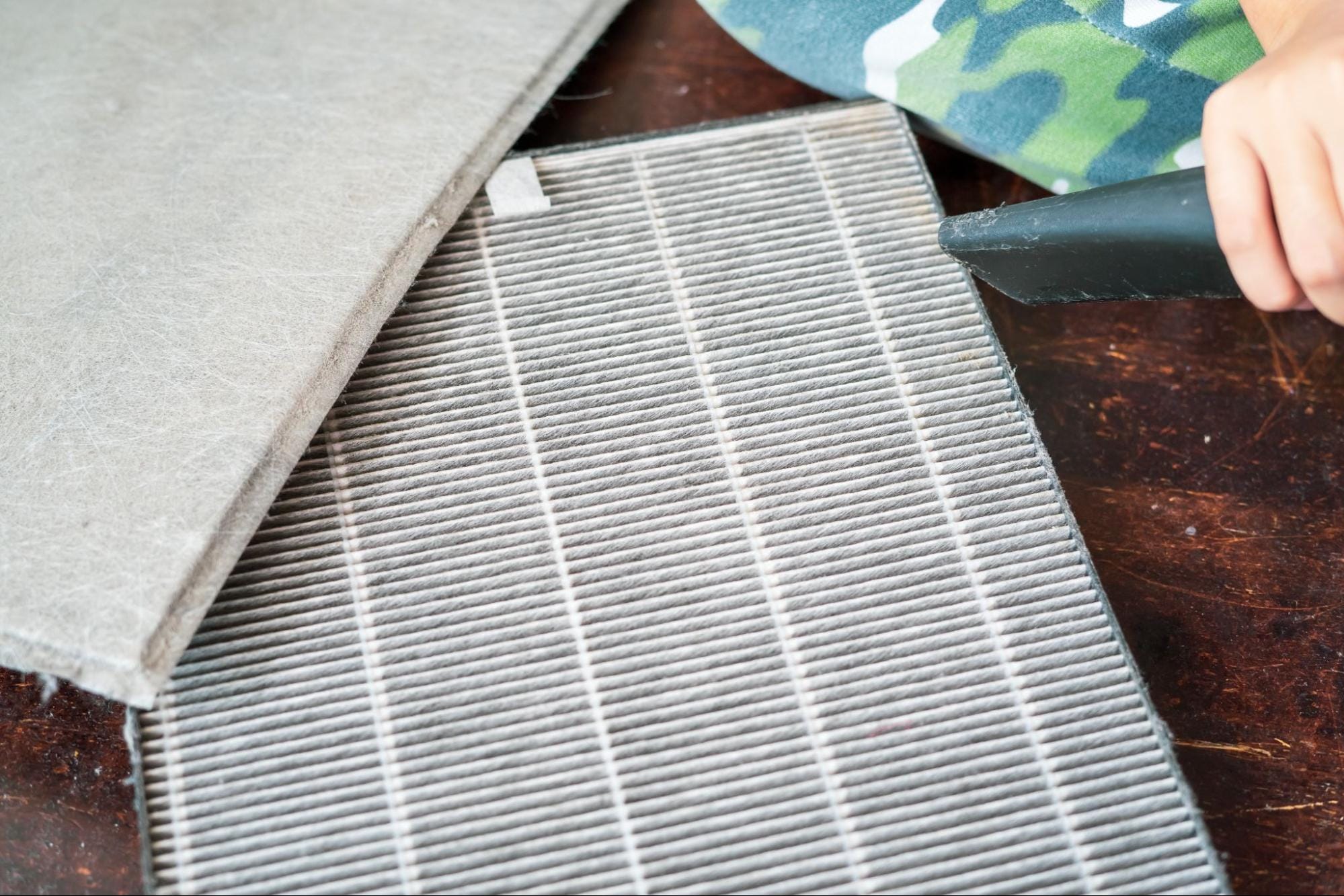
While furnace filters are designed primarily to protect HVAC equipment, they also help improve indoor air quality by capturing many airborne particles circulating through your home.
Depending on the filter selected, these particles may include:
- Household dust
- Pollen
- Pet dander
- Lint
- Mold spores
- Fine debris carried through normal daily activity
Although furnace filters are not a substitute for dedicated air purification systems, they remain an important part of maintaining cleaner indoor air. Selecting the right filter during installation helps establish a solid foundation for both equipment protection and indoor comfort.
Your Lifestyle Should Influence Your Filter Choice
Every household places different demands on its HVAC system. The best filter for one home may not necessarily be the best option for another.
When selecting furnace air filters in New Baltimore, it can be helpful to consider factors such as:
- Whether anyone in your home has allergies or asthma.
- The number of pets living indoors.
- How often windows are opened throughout the year.
- Whether renovations or construction projects create additional dust.
- The overall amount of daily HVAC use.
Considering these factors helps narrow the selection and ensures the filter matches the home’s actual conditions rather than relying solely on marketing claims.
Why Regular Replacement Is Just as Important
Even the best furnace filter eventually reaches its capacity. As dust and airborne particles accumulate, airflow gradually becomes more restricted.
Many homeowners assume filters only need to be replaced when they appear visibly dirty. In reality, waiting too long can reduce heating performance long before obvious buildup is noticeable.
During HVAC filter replacement in New Baltimore, technicians often evaluate not only the filter’s condition but also whether its efficiency rating remains appropriate for the heating system. Routine replacement helps maintain consistent airflow while protecting the investment you’ve made in your furnace.
Choosing Filters for High-Efficiency Furnaces
Modern furnaces are designed to move a specific amount of air through the system to achieve their rated efficiency. If you are installing a high-efficiency furnace in New Baltimore, choosing a filter that matches the manufacturer’s airflow recommendations becomes especially important.
A filter that is too restrictive may cause the blower motor to work harder than necessary. In contrast, a filter with very little filtration may allow more dust and debris to reach sensitive internal components. During installation, your HVAC professional can recommend a filter that balances airflow with effective particle capture, helping your new furnace perform as intended from the very beginning.
Common Furnace Filter Mistakes to Avoid
Many filter-related problems are easy to prevent once you know what to look for. Rather than assuming every filter performs the same way, it’s helpful to avoid a few common mistakes that can affect heating performance.
Some of the most common issues include:
- Purchasing the wrong filter size.
- Installing the filter backward.
- Waiting too long between filter changes.
- Choosing a filter based only on price.
- Selecting a filter with a MERV rating that exceeds the furnace manufacturer’s recommendations.
- Forgetting to inspect the filter during periods of heavy furnace use.
Paying attention to these details helps your heating system maintain proper airflow while reducing unnecessary stress on the blower motor and other internal components.
Make the Right Choice From the Start
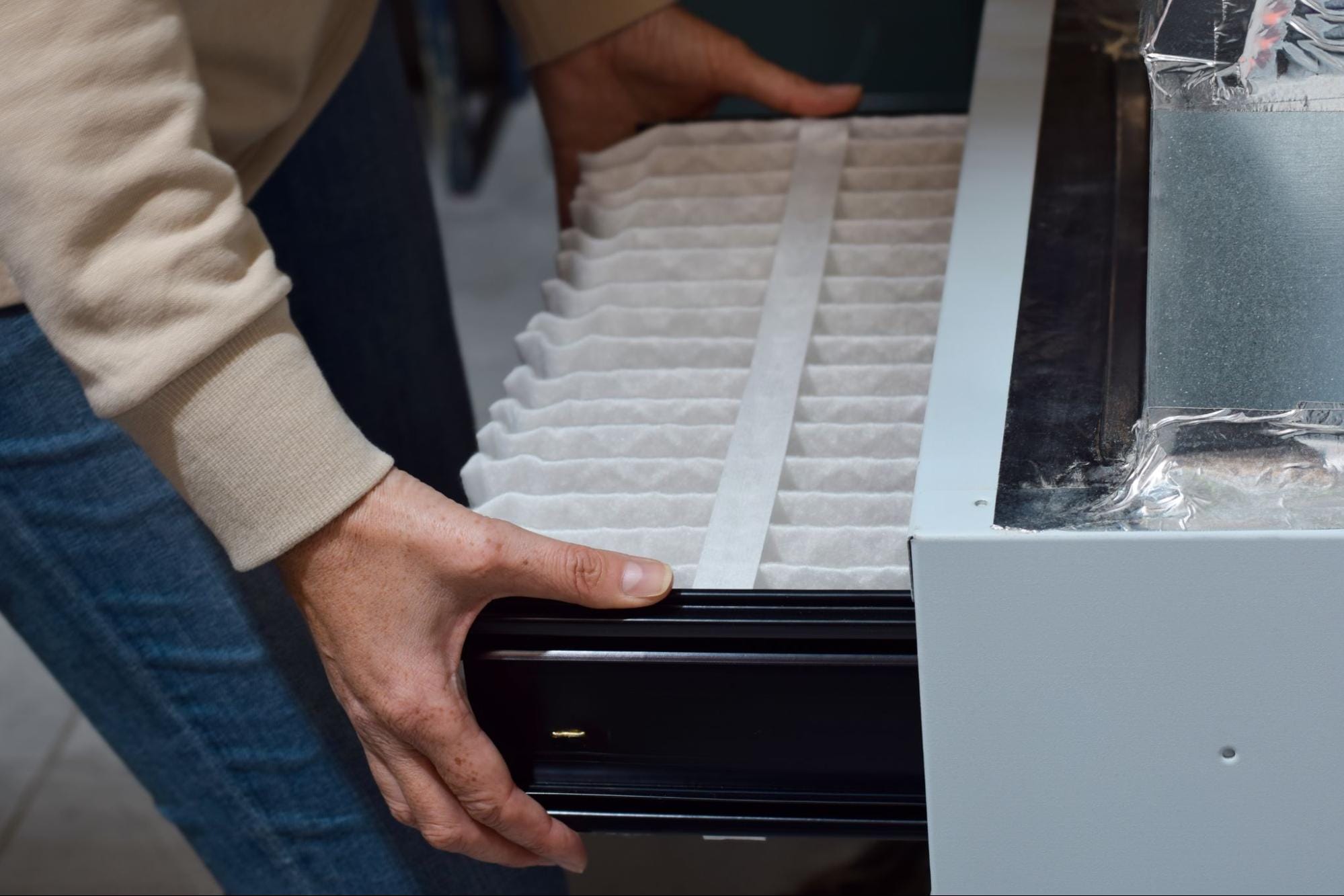
A furnace filter may be one of the smallest components in your heating system, but it has a significant impact on airflow, indoor air quality, and overall equipment performance. Choosing the right filter during installation helps create the foundation for efficient heating while supporting cleaner indoor air and reliable operation.
At S&P Heating, we help homeowners understand how every component of a heating system works together to provide dependable comfort. Whether you’re selecting a new furnace or have questions about filters, airflow, or ongoing maintenance, our team is here to help you make informed decisions.
If you’re planning a furnace installation in New Baltimore, contact us today to learn more about selecting the right equipment and filter combination for your home’s heating needs.
FAQ
Should I keep extra furnace filters at home?
Keeping one or two replacement filters on hand can make routine maintenance much easier. Having the correct size in stock helps you replace a dirty filter promptly, rather than delaying the change while shopping for a replacement.
Can different rooms create different filter replacement schedules?
Indirectly, yes. Homes with workshops, craft rooms, fireplaces, or rooms that generate more dust may cause filters to collect debris faster than homes with lighter indoor activity. Regular inspections help determine the right replacement schedule for your specific household.
Is it okay to buy furnace filters in bulk?
Purchasing filters in bulk can be convenient if you’re buying the correct size and MERV rating for your system. Just be sure to store them in a clean, dry location so they remain in good condition until they’re needed.
Up Next: Why Fast Furnace Repairs Matter During Michigan Winters
Next, read “Furnace Repair During Michigan Winters: Why Fast Action Helps Prevent Secondary Damage“ to learn why addressing heating issues quickly can help protect your home, improve safety, and reduce the risk of more extensive repairs.