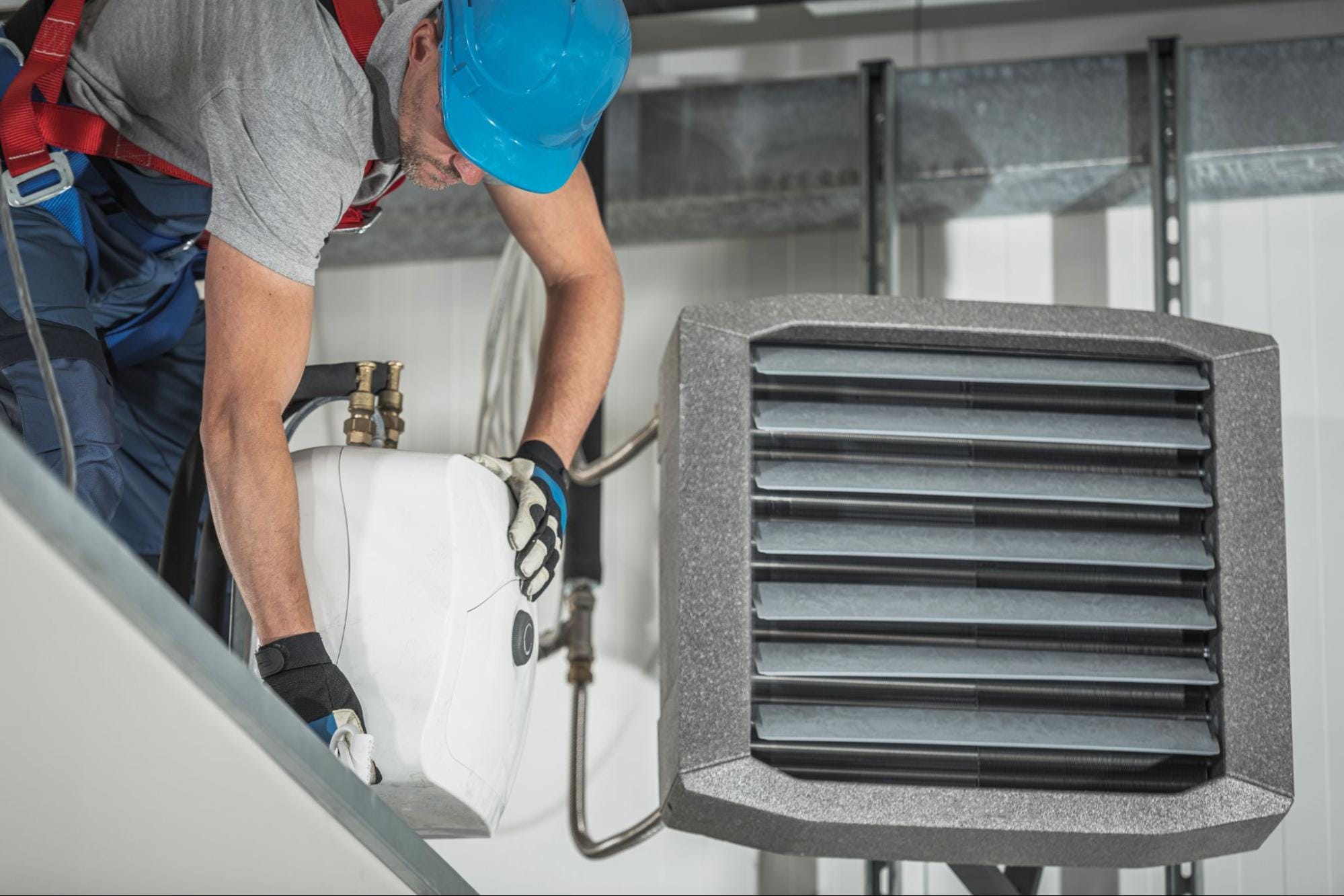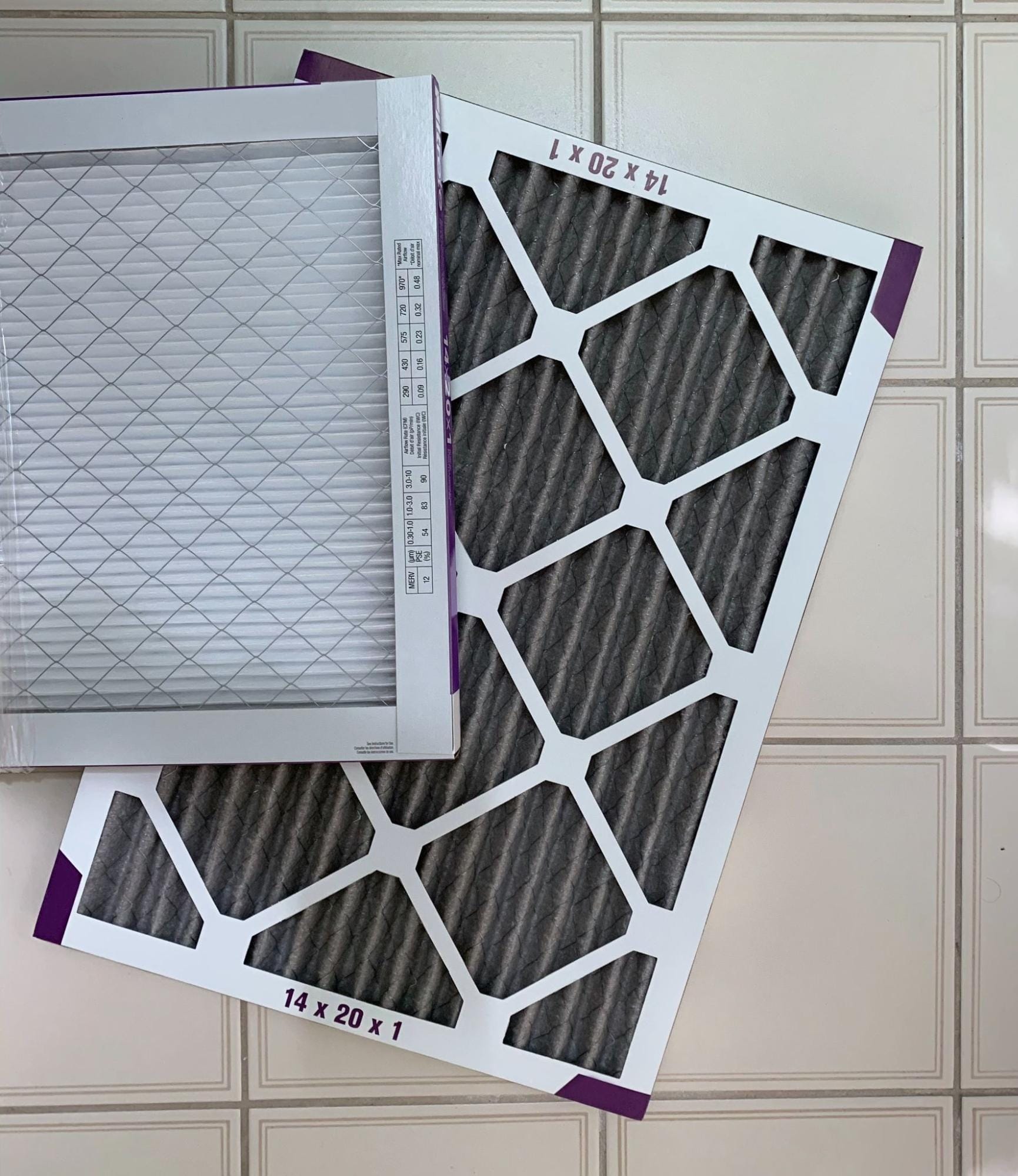
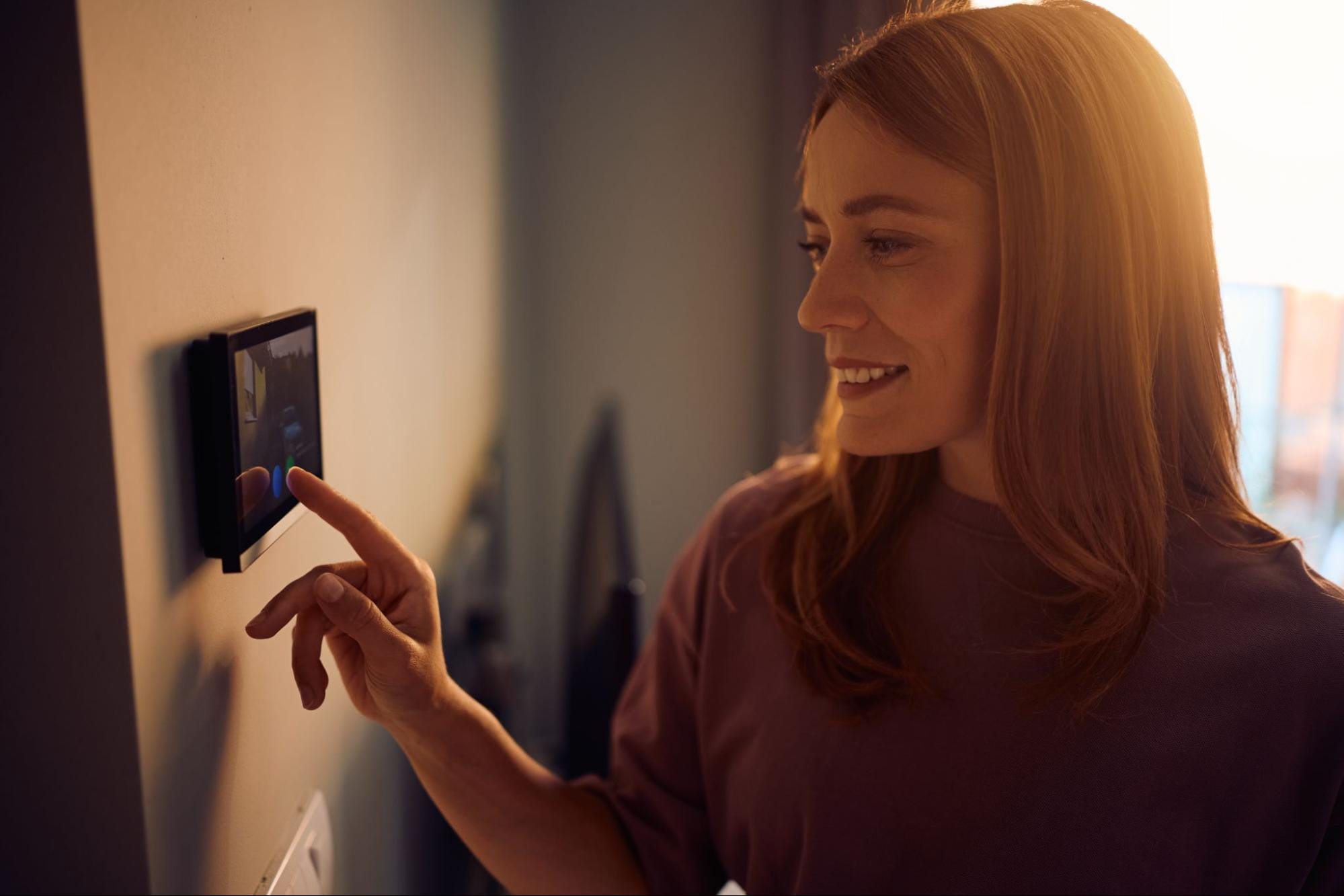
Planning a furnace installation in New Baltimore involves more than simply choosing the right heating system. While most homeowners spend time comparing furnace efficiency ratings and deciding which model best fits their home, many overlook another important piece of the system—the thermostat. Because the thermostat acts as the communication center between you and your furnace, installing a new heating system may be the perfect opportunity to determine whether your existing thermostat is still the right fit.
At S&P Heating, we often receive questions about whether a thermostat needs to be replaced during furnace installation. The answer depends on several factors, including the age of the current thermostat, the features offered by the new furnace, and your long-term comfort goals. Understanding how thermostats work in today’s heating systems can help you make a more informed decision before installation day.
Your Thermostat Does More Than Adjust the Temperature
Many people think of a thermostat as nothing more than a device that turns the furnace on and off. Modern thermostats, however, often perform far more advanced functions.
Today’s furnaces may include variable-speed blowers, multi-stage heating, humidity management features, and sophisticated safety controls. The thermostat helps coordinate many of these functions by communicating with the furnace throughout each heating cycle.
Because of this, the thermostat can influence how efficiently the system operates, how evenly your home is heated, and even how often the furnace cycles during the day.
Older Thermostats May Not Support New Furnace Technology
If your thermostat is ten or fifteen years old, it may have been designed for equipment that operates much differently than today’s heating systems.
Many older thermostats only support single-stage heating. If your new furnace includes two-stage or variable-speed operation, an older thermostat may not be able to take advantage of those additional comfort features.
This doesn’t necessarily mean the furnace won’t operate, but it may prevent you from using some features that improve comfort and efficiency.
When Thermostat Compatibility Becomes Important
One of the first questions installers often evaluate during furnace installation services in New Baltimore is thermostat compatibility.
Different manufacturers design equipment with varying communication requirements. While many thermostats work across multiple brands, others are designed specifically to support advanced equipment features.
Compatibility becomes especially important when installing:
- Two-stage furnaces
- Variable-speed blower systems
- High-efficiency heating equipment
- Smart thermostats
- Integrated indoor air quality accessories
Making sure every component works together helps the system perform as intended after installation.
Why Many Homeowners Upgrade at the Same Time
Replacing a thermostat while the furnace is already being installed is often more convenient than scheduling another appointment later.
Because technicians are already connecting wiring, testing equipment, and configuring system settings, adding a thermostat replacement may require less disruption than completing the project separately.
For homeowners already planning to install a heating system in New Baltimore, combining both projects also provides an opportunity to ensure that every part of the HVAC control system works together from day one.
Smart Thermostats Continue Growing in Popularity
One reason homeowners consider replacing their thermostat is the growing popularity of smart technology.
A smart thermostat installation in New Baltimore can provide features that older thermostats simply cannot offer. Depending on the model, homeowners may be able to:
- Adjust temperatures remotely using a smartphone
- Create customized heating schedules
- Monitor energy usage
- Receive maintenance reminders
- Integrate HVAC controls with other smart home devices
While these features are not essential for every homeowner, they offer added convenience that many people appreciate after upgrading.
Comfort Is About More Than Temperature
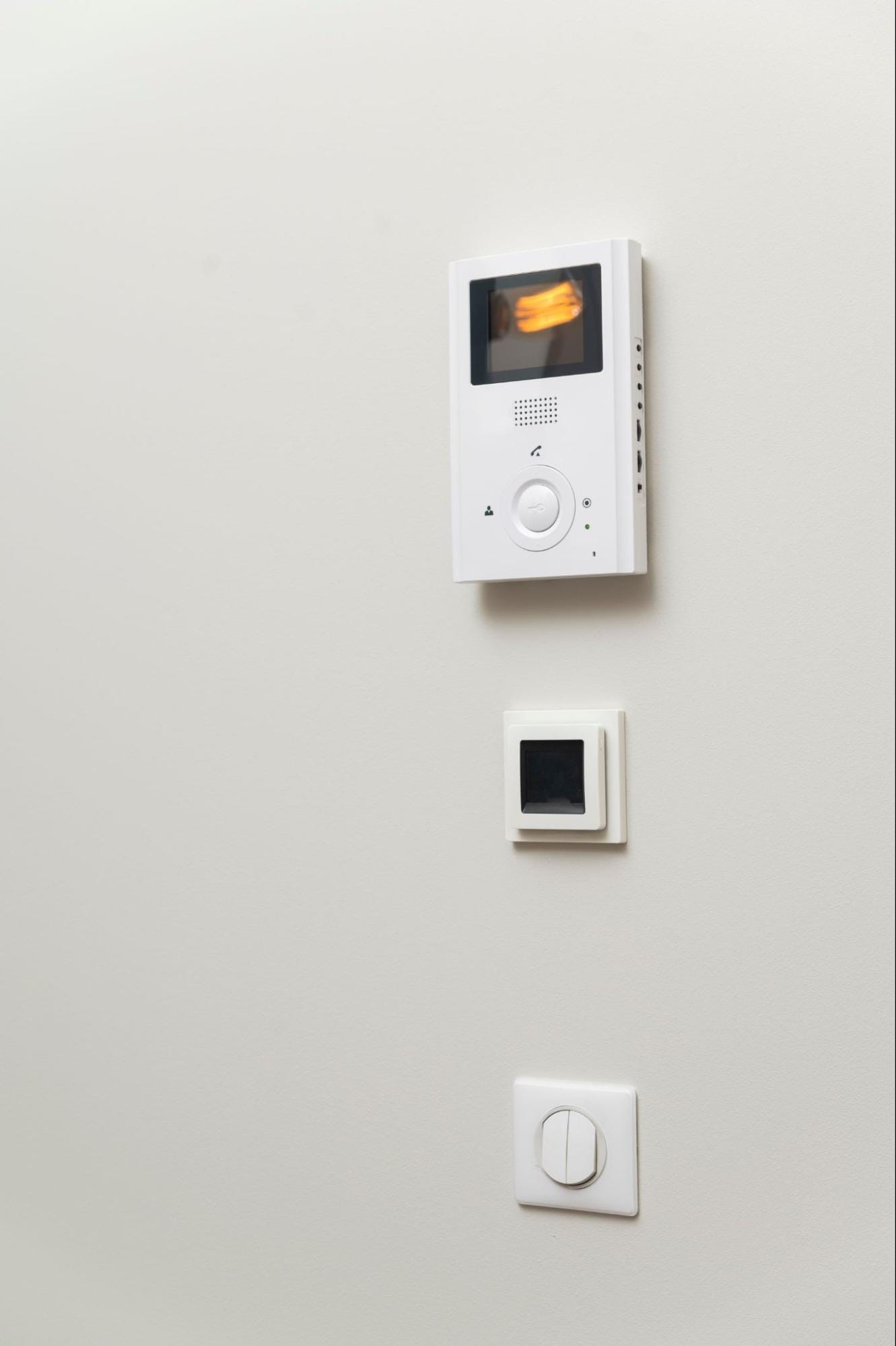
A newer thermostat doesn’t automatically make a furnace more efficient, but it can help the equipment operate more effectively.
For example, a quality programmable thermostat allows you to automatically reduce heating while you’re sleeping or away from home. Instead of manually adjusting the temperature each day, you can schedule it to match your daily routine.
This creates a more consistent balance between comfort and energy use without requiring constant adjustments.
HVAC Controls Continue Becoming More Advanced
Heating systems have evolved considerably over the last decade, and thermostat technology has advanced alongside them.
Many modern HVAC controls now monitor equipment performance, communicate with multiple system components, and provide homeowners with detailed operating information.
Rather than functioning as simple temperature switches, today’s thermostats often serve as the central operating system for the entire HVAC system.
This increased functionality is one reason thermostat upgrades are frequently discussed during furnace replacement projects.
Furnace Installation in New Baltimore: Questions Worth Asking Before Installation
If you’re planning a furnace installation in New Baltimore, it’s worth discussing your current thermostat before installation begins.
Questions you may want to ask include:
- Will my existing thermostat work with the new furnace?
- Will I lose any advanced furnace features by keeping my current thermostat?
- Would upgrading improve scheduling or energy management?
- Can my thermostat support future HVAC upgrades?
- Is my current wiring compatible with newer thermostat models?
Asking these questions early allows homeowners to evaluate their options before installation day rather than making last-minute decisions.
When Keeping Your Current Thermostat Makes Sense
Although many homeowners choose to replace their thermostat during a furnace upgrade, a replacement isn’t always necessary. If your existing thermostat is relatively new, fully compatible with the furnace being installed, and already provides the features you want, there may be little reason to replace it.
A professional installer can usually evaluate the thermostat before installation begins and determine whether it will work properly with the new equipment. If compatibility isn’t an issue and the thermostat continues operating reliably, keeping it may be the most practical option.
Common Misconceptions About Thermostat Replacement
Many homeowners have heard conflicting advice about replacing thermostats during furnace installation. Understanding a few common misconceptions can help you make a more informed decision.
Some people believe every new furnace automatically requires a new thermostat. In reality, many existing thermostats remain compatible with newer equipment if they support the necessary operating stages and controls.
Others assume that simply installing a smart thermostat will dramatically reduce heating bills. While smart thermostats can improve scheduling and system management, actual energy savings depend on how the equipment is used, the home’s insulation, outdoor weather conditions, and many other factors.
Finally, some homeowners believe thermostat upgrades are purely cosmetic. While modern displays and mobile apps certainly add convenience, the real value often comes from improved system communication and more effective equipment management.
Don’t Forget About Proper Thermostat Placement
Even the best thermostat can provide inaccurate readings if it is installed in the wrong location. Placement affects how accurately the thermostat senses indoor temperatures and how efficiently it controls the heating system.
Ideally, thermostats should be installed on an interior wall away from direct sunlight, exterior doors, windows, kitchens, fireplaces, or supply vents. These locations can expose the thermostat to temperatures that don’t accurately represent the rest of the home, causing the furnace to cycle more often than necessary.
If you’re replacing your thermostat during furnace installation, it’s also worth asking whether its current location remains the best choice.
Complete Your Furnace Installation With Confidence
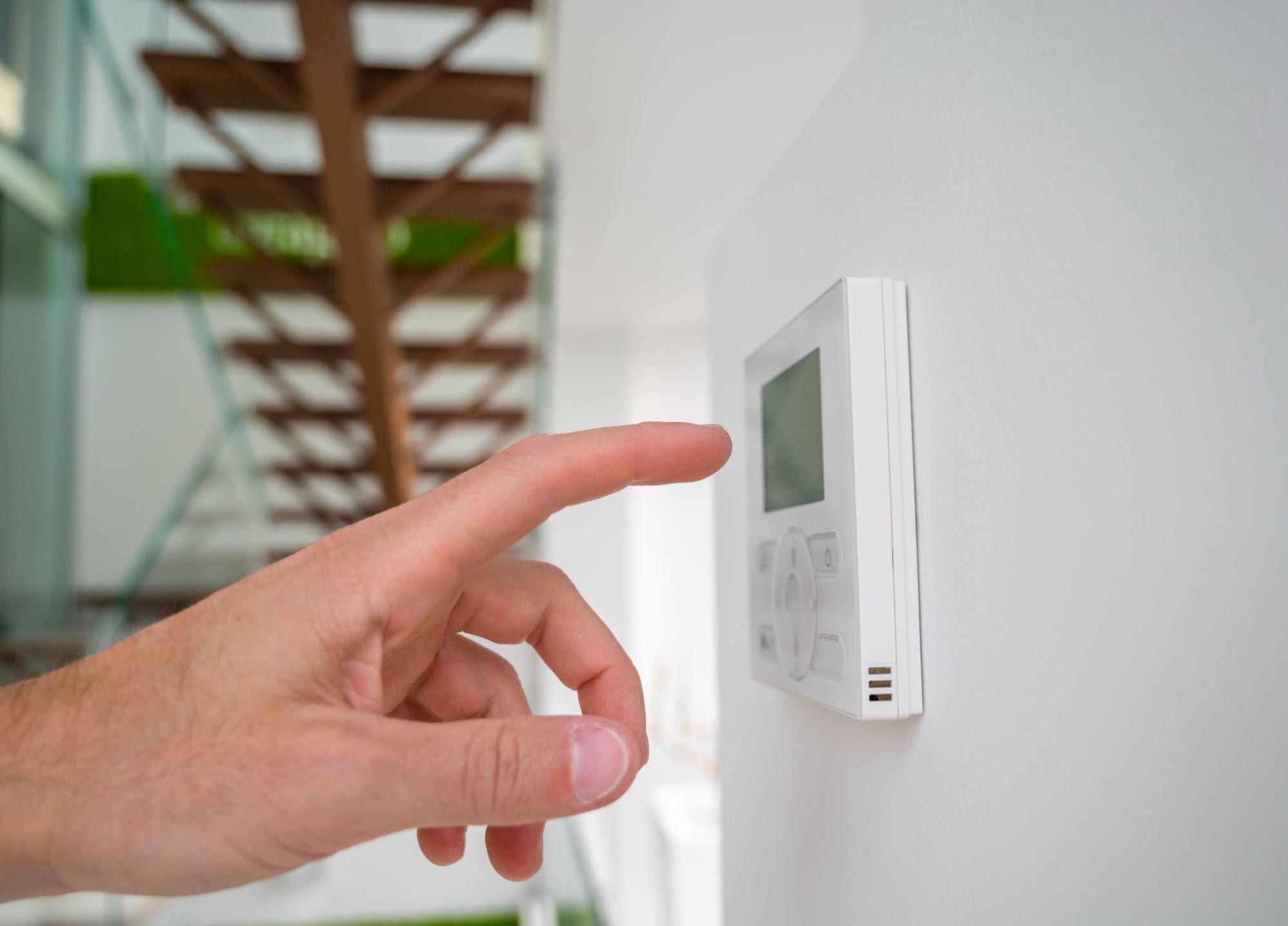
Replacing a furnace is an opportunity to evaluate every part of your heating system, including the thermostat that controls it. Whether you keep your existing thermostat or choose a modern replacement, ensuring compatibility with your new equipment can help support reliable operation, improved comfort, and convenient day-to-day control.
At S&P Heating, we help homeowners understand how every component of a heating system works together. If you’re planning a furnace replacement and have questions about thermostat compatibility, smart controls, or available upgrade options, our team is here to help you make an informed decision.
If you’re considering a furnace installation in New Baltimore, contact us today to learn more about selecting the right heating system and thermostat for your home.
FAQ
How long do thermostats typically last?
Many thermostats continue operating for 10 years or more, although lifespan varies depending on the model, usage, and environmental conditions. Even if a thermostat still functions properly, newer models may offer additional features, improved accuracy, and better compatibility with modern HVAC equipment.
Will changing my thermostat erase my heating schedule?
Yes, if you replace the thermostat, any customized schedules and settings stored on the old device will need to be recreated on the new one. Taking note of your preferred schedule before installation can make the transition easier.
Can low batteries affect thermostat performance?
Battery-powered thermostats may experience display issues, communication interruptions, or unexpected shutdowns when batteries become weak. Replacing batteries according to the manufacturer’s recommendations helps maintain reliable operation throughout the heating season.
Up Next: Choosing the Right Furnace Filter Matters More Than You Think
Your thermostat isn’t the only component that influences furnace performance. Next, read “The Importance of Choosing the Right Furnace Filter During Furnace Installation in New Baltimore“ to learn how selecting the right filter can improve airflow, protect your equipment, and support cleaner indoor air throughout the heating season.