Your air conditioner depends on steady airflow and clean internal components to cool your home properly. But during the summer in St. Clair County, dust, pollen, humidity, and outdoor debris can build up faster than many homeowners expect. Over time, dirty coils and clogged filters begin restricting airflow, forcing the system to work harder just to maintain comfortable temperatures.
At S&P Heating, this is one of the more common problems we see during summer service calls—many homeowners who seek out AC repairs in St. Clair County, MI, notice weak airflow, rising energy bills, or rooms that suddenly stop cooling evenly. In many cases, the issue isn’t a major mechanical failure at first—it’s restricted airflow and dirt buildup slowly creating stress throughout the system.
The good news is that these problems are often preventable when caught early. Understanding how dirty filters and coils affect performance can help homeowners avoid expensive repairs and extend the life of their cooling system.
Why Airflow Matters More Than Most Homeowners Think
Your AC system depends on consistent airflow to work properly. Once airflow is restricted, the entire system operates less efficiently.
This is where HVAC airflow issues become a bigger problem than many homeowners expect. If air can’t move freely through the system, the evaporator coil can freeze up, rooms cool unevenly, and the unit may run constantly without reaching the desired temperature.
Around St. Clair County, this becomes especially noticeable during humid stretches of summer weather. The system runs longer cycles trying to keep up, which creates additional wear on motors, fans, and other internal components.
Many homeowners assume weak airflow automatically means the AC unit is old. Sometimes that’s true—but often it starts with maintenance issues that were ignored for too long.
How Dirty Air Filters Create Bigger Problems
Air filters are designed to trap dust, pollen, and airborne debris before they enter the HVAC system. But once those filters become clogged, airflow drops quickly.
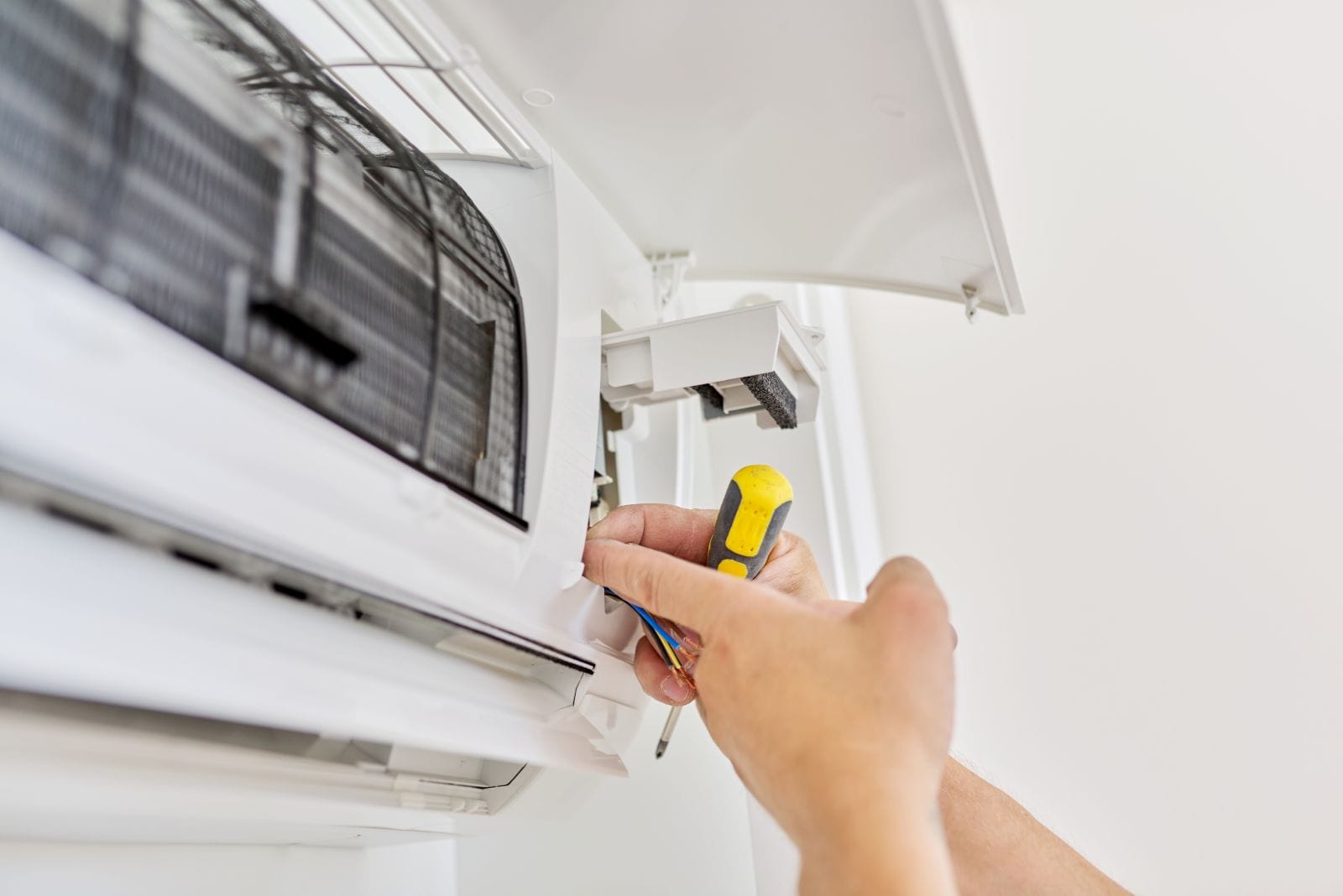
This is one of the most common clogged air filter problems we run into during service calls. The system keeps trying to pull air through a filter that’s packed with dirt, pet hair, or dust buildup. That added strain forces the blower motor to work harder and can eventually affect the entire system.
Homeowners around St. Clair County with pets, older ductwork, or higher pollen levels tend to see filters clog faster than expected. During summer, especially when the AC is running constantly, filters can become dirty much sooner than people realize.
A clogged filter can lead to:
- Weak airflow from vents
- Hot and cold spots around the home
- Increased humidity indoors
- Higher monthly energy bills
- Frozen evaporator coils
- Extra strain on the blower motor
The frustrating part is that many of these issues are preventable with routine filter replacement.
What Dirty Coils Actually Do to Your AC System
Your AC system has two important coils:
- The evaporator coil inside the home
- The condenser coil outside the home
Both play a major role in removing heat from your house. Once dirt builds up on either coil, efficiency drops quickly.
Dirty evaporator coils struggle to absorb heat properly. Dirty condenser coils struggle to release heat outdoors. Either way, the system has to work harder to produce the same level of cooling.
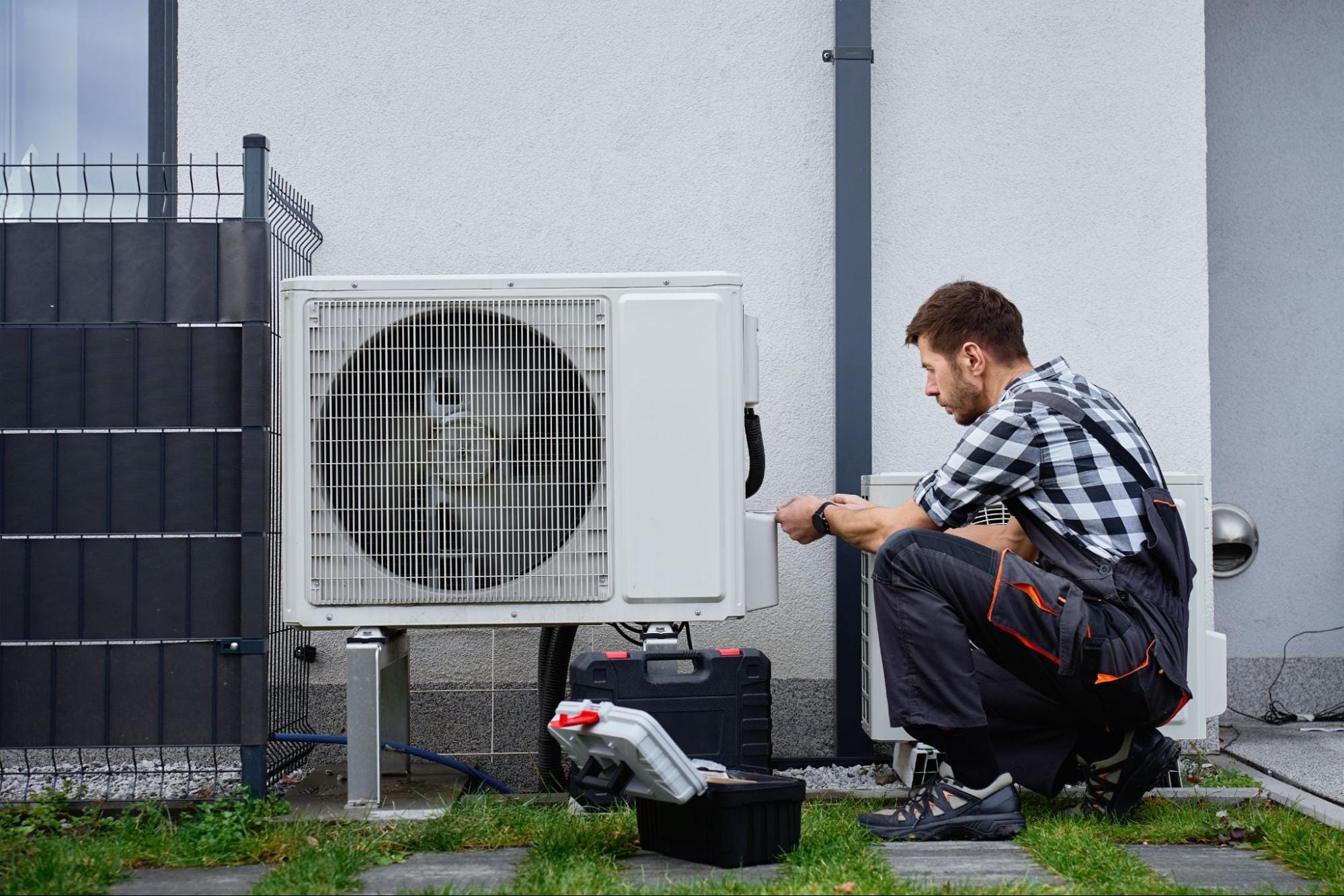
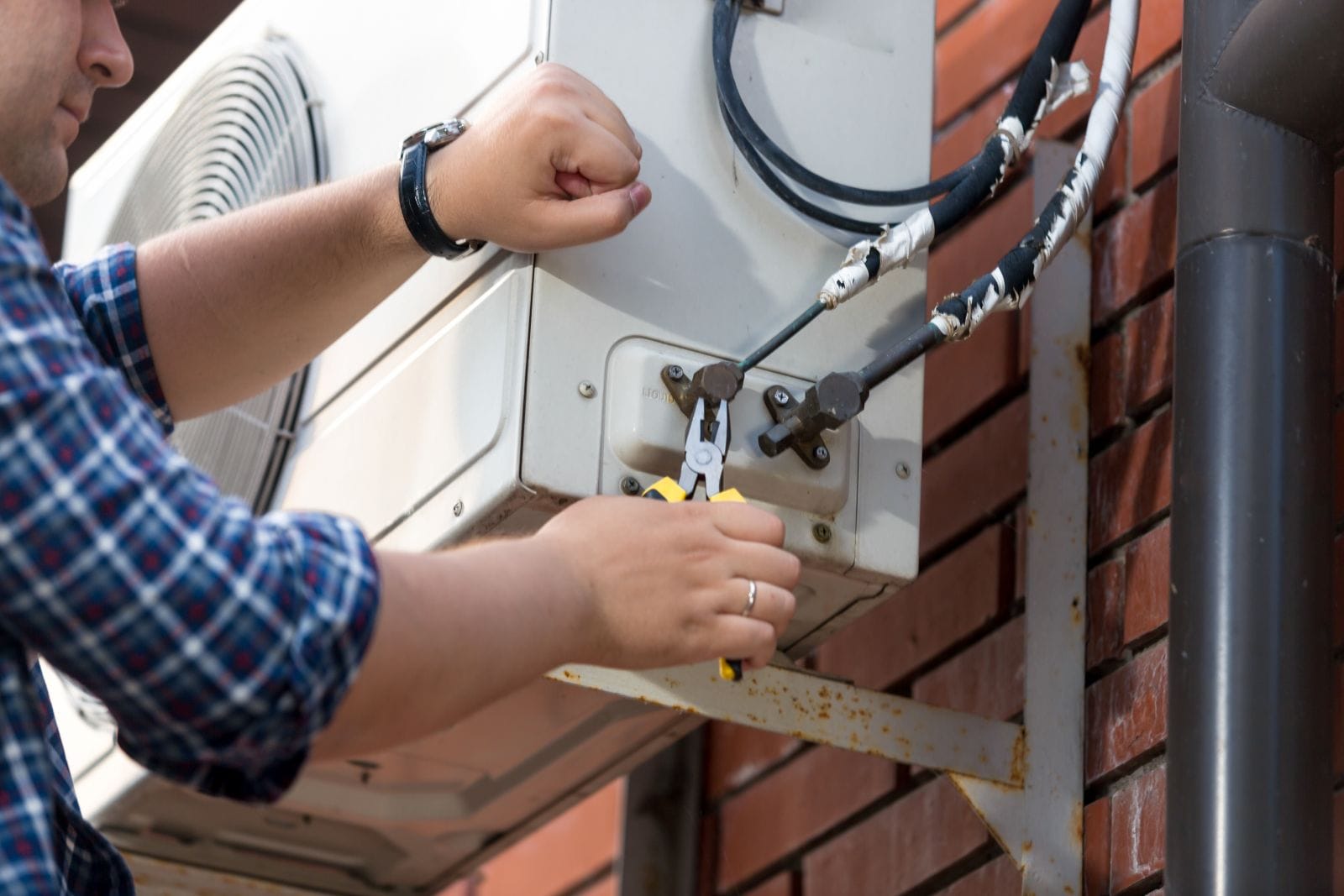
This is where dirty AC coils repair becomes necessary. In St. Clair County, outdoor condenser units collect grass clippings, cottonwood, pollen, leaves, and moisture throughout the cooling season. Over time, that buildup blocks airflow and traps heat inside the system.
When that happens, homeowners often notice:
- AC running longer than normal
- Warm air coming from vents
- Rising utility bills
- System overheating
- Reduced cooling during hot afternoons
The longer dirty coils are ignored, the more stress is placed on expensive components like the compressor.
Why Summer Humidity Makes the Problem Worse
Humidity changes how hard your AC system has to work. Around St. Clair County, humid summer weather creates additional strain because your system isn’t just cooling the air—it’s also trying to remove moisture.
When dirty filters or coils restrict airflow, moisture removal also suffers. That’s when homes start feeling sticky or damp, even when the thermostat says the temperature is fine.
This is one reason AC repair in St. Clair County, MI, calls often spike during long, humid stretches. Systems that were already struggling suddenly can’t keep up anymore.
Humidity also increases the risk of frozen coils because reduced airflow allows condensation to form more easily on the evaporator coil.
Warning Signs Your System Is Struggling
Most AC systems don’t fail all at once. Usually, they give several warning signs first.
Homeowners should pay attention if they notice:
- Airflow is getting weaker over time
- Utility bills are increasing unexpectedly
- The AC is running constantly
- Certain rooms stay warmer than others
- Ice is forming around the indoor unit
- Strange smells when the AC starts running
- More dust is building up around the vents
These symptoms often point back to airflow restrictions or maintenance problems rather than catastrophic equipment failure.
The earlier these issues are addressed, the better your chance of avoiding major repairs later.
Why Ignoring Maintenance Leads to Expensive Repairs
One dirty filter or coil may not seem serious in the moment, but the long-term impact adds up quickly.
When airflow drops, the system runs longer cycles. Longer cycles create more heat and stress inside the equipment. Eventually, components begin wearing down faster than they should.
Compressors are especially vulnerable. Once a compressor overheats repeatedly, repair costs rise significantly—and in some cases, replacement becomes the better option.
This is why routine maintenance matters so much in Michigan climates. Between humidity, pollen, and long summer cooling cycles, systems across St. Clair County face significant seasonal strain.
How Often Should Filters and Coils Be Cleaned?
There’s no single schedule that works for every home, since usage and conditions vary.
But generally:
- Air filters should be checked every 1–2 months during heavy summer use
- Homes with pets may need more frequent filter replacement
- Outdoor condenser units should stay clear of debris and vegetation
- Coils should be professionally inspected and cleaned during seasonal maintenance visits
Many homeowners wait until they notice a problem before checking their filters. By then, airflow may already be heavily restricted.
Preventing AC Failure Before It Starts
The good news is that many airflow-related AC problems are avoidable.
Simple maintenance habits go a long way:
- Replace filters consistently
- Keep outdoor units clear
- Schedule seasonal inspections
- Pay attention to airflow changes early
- Address small performance issues before they grow
Most systems that completely break down during summer usually show warning signs beforehand.
Don’t Let Dirty Coils and Filters Shorten Your System’s Life

Many expensive cooling problems start with small maintenance issues that slowly accumulate over time. Dirty filters, clogged coils, and restricted airflow may not seem urgent at first, but they can create serious strain on your AC system during Michigan summers.
At S&P Heating, we help homeowners throughout St. Clair County identify airflow problems, cooling inefficiencies, and maintenance issues before they turn into major system failures. Whether your AC is struggling to keep up, running constantly, or showing signs of weak airflow, getting ahead of the issue can help protect your comfort and avoid costly repairs later.
If your cooling system hasn’t been performing as it should, contact us today to schedule an inspection and find out what may be slowing it down.
FAQ
Can dirty filters affect indoor air quality?
Yes, dirty filters can allow dust, pollen, and other airborne particles to circulate more easily through the home. Over time, this may contribute to allergy symptoms, increased dust buildup, and reduced overall indoor comfort.
Why does my AC smell musty when it starts running?
A musty smell can sometimes be caused by moisture buildup around dirty coils or clogged filters. In humid areas around St. Clair County, excess moisture inside the system can create conditions that allow odors to develop more easily.
Can restricted airflow damage my AC compressor?
It can. When airflow is restricted, the system may run longer and overheat, placing additional stress on major components, such as the compressor. Over time, that extra strain can lead to expensive repairs or premature system failure.
Learn More About How Michigan Weather Affects Your AC
Humidity and lake-effect weather can put additional stress on cooling systems throughout St. Clair County. In our next article, “AC Repair in St. Clair County, MI: How Lake Effect Weather Impacts Cooling System Performance,” we break down how local weather conditions affect airflow, efficiency, and long-term AC performance.