
Installing the right heat pump can slash your winter heating expenses by up to 75 percent while keeping you cool in the summer. Macomb Township residents are grappling with escalating energy bills and harsh Michigan winters, making dependable, energy-efficient HVAC systems a must. This guide explores the primary heat pump types available for homes locally, helps you select and install the ideal system, covers essential maintenance and repair strategies, reviews costs and available incentives, compares heat pumps to traditional furnaces, highlights leading brands and models, and addresses common homeowner questions.
What Are the Benefits of Ductless Mini-Split Heat Pumps?
Ductless mini-split systems feature an outdoor compressor and multiple indoor units to deliver precise heating and cooling without the need for existing ductwork. They enhance comfort by allowing individual room temperature control and boost system efficiency by up to 30 percent compared to central systems. Advantages include:
- Customized Zone Control: Set independent temperatures for each room
- Simplified Installation: Wall-mounted units require minimal disruption
- Whisper-Quiet Operation: Indoor sound levels below 25 dB
By eliminating duct losses and enabling tailored temperature settings per zone, mini-splits improve comfort and control in Macomb Township homes without the expense of extending ductwork.
When Should Homeowners Consider Hybrid Heat Pump Systems?
Hybrid or dual-fuel systems combine an electric heat pump with a gas or oil furnace, automatically switching between heat sources based on outdoor temperature and energy prices. Homeowners should consider hybrids when:
- Extreme Cold Protection: Supplemental fossil-fuel backup ensures comfort below –10 °F
- Fluctuating Energy Costs: Smart controls select the most economical fuel source
- Maximum Reliability: Redundant heating sources guarantee uninterrupted warmth
Hybrid configurations combine the efficiency of electric heating with the robust performance of combustion systems, making them ideal for Michigan’s harshest winter conditions.
What Factors Influence Heat Pump Selection: Home Size, Climate, and Budget?
Your home’s square footage determines the required heating capacity (measured in British Thermal Units, or BTUs), while Michigan’s climate necessitates systems with high HSPF and cold-climate capabilities. Budget considerations encompass both initial equipment costs and long-term operational expenses. Key factors include:
- Square Footage & Insulation Levels: Crucial for accurate load calculation
- Local Climate Data: Influences the need for backup heating during frigid periods
- Upfront vs. Lifecycle Costs: Balancing initial investment against lifetime energy savings
Analyzing these elements helps homeowners align their technology choices with performance objectives and financial plans.
Why Is Professional Heat Pump Sizing Crucial for Efficiency?
Professional sizing, utilizing Manual J load calculations, ensures the heat pump’s capacity precisely matches your home’s thermal characteristics. Correct sizing prevents:
- Short Cycling: Frequent on/off cycles that waste energy and increase wear
- Inadequate Heating: Insufficient warmth during cold spells
- Premature Wear: Reduced component lifespan due to overloaded operation
Accurate load assessment by certified technicians maximizes system efficiency, ensures consistent comfort, and promotes long-term reliability in Macomb Township.
How Do Local Regulations Impact Heat Pump Installation?
Macomb Township building codes mandate permits for HVAC upgrades, require compliance with electrical and refrigeration standards, and necessitate coordination with utility companies for rebate eligibility. Regulatory considerations include:
- Permit Acquisition: Securing approval from the township building department
- Mechanical Code Adherence: Ensuring proper venting and safety features
- Energy Efficiency Documentation: Providing necessary paperwork for state and utility incentives
Navigating these requirements with experienced contractors helps avoid delays and ensures access to available incentive programs.
What Should Homeowners Expect on Installation Day?
On installation day, our technicians arrive fully equipped, take measures to protect your flooring and furnishings, and keep you informed of project progress. Homeowners can anticipate:
- Clear Schedule and Daily Updates
- Professional Site Management and Cleanliness
- Post-Installation System Demonstration and Explanation
Open communication and respectful service build homeowner trust and ensure satisfaction.
How Can Homeowners Maintain and Repair Their Heat Pumps in Macomb Township?
Regular maintenance and timely repairs are crucial for maintaining efficiency, extending the system’s lifespan, and preserving warranty coverage for heat pumps operating in Michigan’s variable climate.
What Are Common Heat Pump Problems and Their Solutions?
Frequent issues include refrigerant leaks, iced-over coils, clogged air filters, and malfunctioning defrost cycles. Typical repair strategies involve:
- Refrigerant Refills and Leak Detection/Repair
- Coil Cleaning and Obstruction Removal
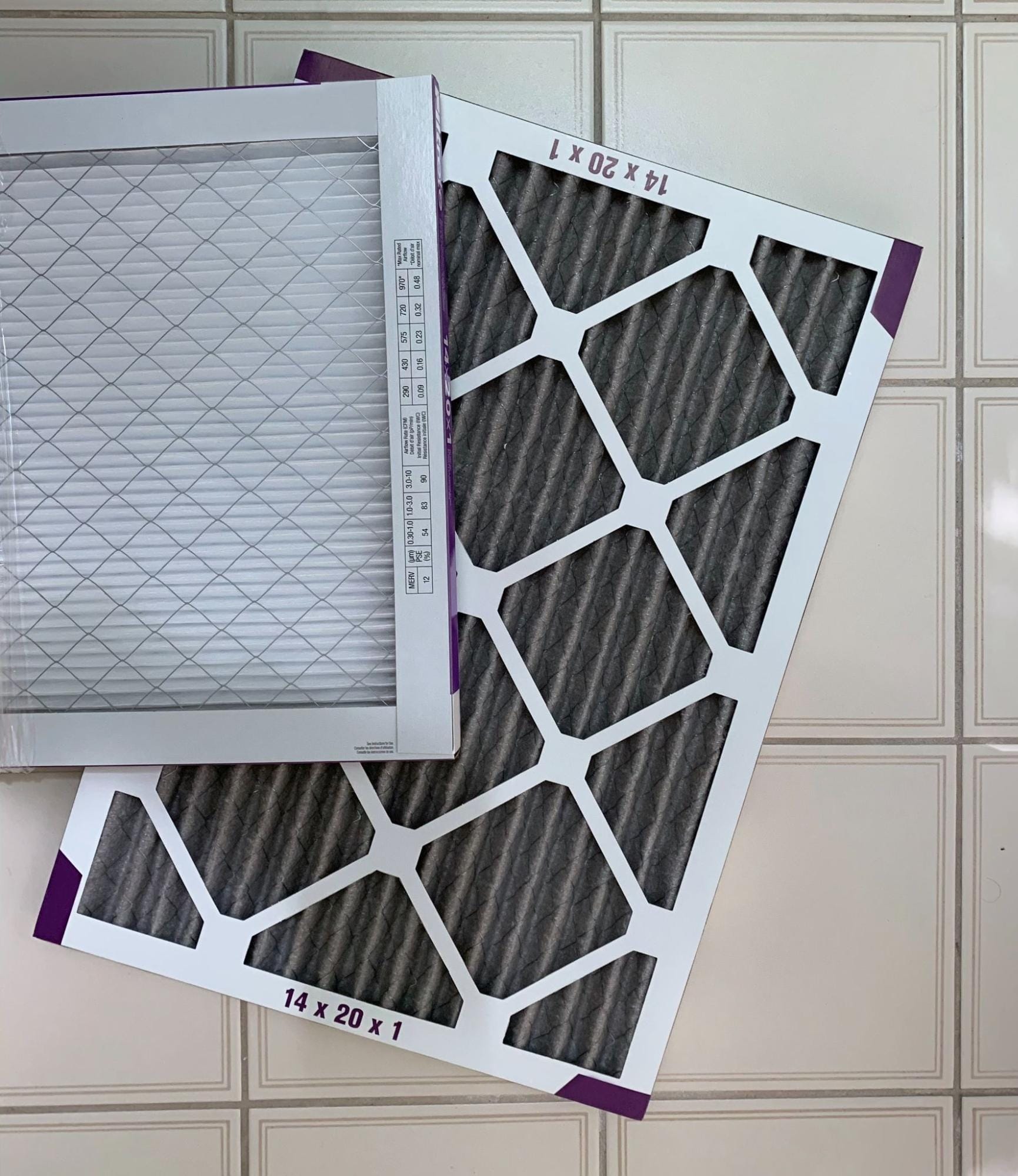
- Filter Replacement and Airflow Optimization
- Defrost Control System Adjustment
Professional diagnostics pinpoint the root cause, ensuring effective repairs that restore optimal system performance.
How Often Should Heat Pumps Be Serviced for Peak Performance?
Heat pumps benefit from biannual professional tune-ups: one before the winter heating season and another before the summer cooling season. Routine maintenance tasks include:
- Cleaning or Replacing Air Filters
- Inspecting All Electrical Connections
- Lubricating Moving Components
- Verifying Refrigerant Charge Levels
Consistent maintenance can boost energy efficiency by up to 15 percent and significantly extend the system’s operational life.
What Michigan and Local Rebates Can Homeowners Access?
Federal and state incentives can significantly reduce net installation costs through:
- Federal Tax Credit: Covers 30 percent of project costs, up to $2,000
- State Programs: Utility rebates from Consumers Energy and DTE, ranging from $500 to $1,500
- Local Efficiency Grants: Potential subsidies from township programs for energy upgrades
Combining these rebates and credits can lower overall expenses by more than 20%, making heat pumps more affordable.
How Do Heat Pumps Deliver Long-Term Energy Savings?

Heat pump systems offer a substantial return on investment through:
- Reduced Electricity Consumption: Heating costs up to 75 percent lower than electric resistance
- Enhanced Cooling Efficiency: Savings up to 50 percent compared to traditional air conditioners
- Stable Operating Expenses: Predictable utility bills with smart control features
Over a typical 15-year lifespan, the annual energy savings often surpass the initial investment, positioning heat pumps as a financially sound long-term decision.
What Are the Energy Efficiency Differences Between Heat Pumps and Furnaces?
Heat pumps transfer existing heat rather than generating it, achieving efficiencies up to 300 percent, compared to furnaces’ maximum of 98 percent. Key distinctions include:
- Heat Pump COP: Coefficient of Performance ranging from 2.5 to 4.0
- Furnace AFUE: Annual Fuel Utilization Efficiency between 80 and 98 percent
Superior heat transfer mechanisms result in lower electricity usage and reduced carbon emissions.
What Comfort and Environmental Benefits Do Heat Pumps Offer?
Heat pumps provide gentle, consistent warmth without combustion, enhancing indoor air quality and minimizing temperature fluctuations. They also:
- Eliminate On-Site Emissions: No direct carbon output during heating operations
- Provide Integrated Dehumidification: Improves comfort during summer months
- Support Renewable Energy: Fully compatible with solar power systems
These advantages align perfectly with homeowners’ desires for healthier, more sustainable living environments.
How Do Ductless Mini-Split Models Vary by Brand and Features?
Model distinctions often lie in compressor technology, air filtration capabilities, and control interfaces. Popular mini-split lines include:
- Mitsubishi Hyper-Heating: Delivers efficient performance down to –13 °F
- LG Art Cool: Features stylish designs with convenient Wi-Fi-enabled controls
- Fujitsu Halcyon: Offers compact units with advanced air purification technologies
Brand-specific innovations allow homeowners to select systems that precisely match their comfort preferences and aesthetic requirements.
How Long Does Heat Pump Installation Typically Take?
Standard heat pump installations usually take between two and five days. This timeframe covers site assessment, equipment placement, line-set or loop field installation, electrical connections, and final system commissioning.
What Maintenance Is Required to Keep Heat Pumps Efficient?
Biannual professional tune-ups are recommended. These include tasks like filter replacement, coil inspection, refrigerant level checks, and electrical safety tests to ensure peak system efficiency and reliable year-round operation. At S&P Heating, we offer a Comfy Membership Plan, which includes scheduled mini-split tune-ups, priority service, and exclusive discounts.
Trust S&P Heating for Heat Pump Excellence in Macomb Township

Whether you’re looking to replace your aging HVAC system or want to improve year-round energy efficiency, a heat pump could be the perfect match for you. At S&P Heating, we help Macomb Township homeowners select the ideal heat pump for their specific climate, layout, and budget. We handle everything from selection to expert installation—and we’re always happy to explain the benefits of dual-fuel systems, variable-speed compressors, and ENERGY STAR models. When you’re ready to upgrade your comfort, trust the pros who know what works in Michigan homes.
Contact us today at (586) 250-0161 to book your free estimate or learn more about our heat pump services.
Frequently Asked Questions
Are heat pumps effective during Michigan winters?
Yes, especially newer models designed for cold climates. Many heat pumps now operate efficiently in temperatures as low as -5°F, and dual-fuel setups can switch to a furnace backup when needed.
Can you install a heat pump in a home that already has ducts?
Absolutely. Traditional ducted heat pumps can replace old HVAC systems and use existing ductwork, making them a seamless upgrade for whole-home comfort.
What’s the average lifespan of a heat pump?
Most heat pumps last 10–15 years with regular maintenance. Systems in moderate climates may last even longer, while those in extreme conditions or with poor upkeep may need replacement sooner.
Want More Expert Tips? Check Out the S&P Heating Blog
You’ve got the basics—now go deeper. From energy-saving tips to seasonal maintenance guides, our full blog has everything you need to make smarter HVAC decisions. Check out the S&P Heating Blog and stay ahead of the comfort curve!