Living near one of the Great Lakes offers many advantages. Residents of locations like Algonac, St. Clair, and Marine City enjoy beautiful waterfront views, recreational opportunities, and a climate heavily influenced by nearby Lake St. Clair. However, the same body of water that helps define the region also poses unique challenges for homeowners seeking to maintain comfortable indoor conditions year-round.
For homeowners concerned about heating and cooling in St. Clair County, local weather patterns can have a significant impact on HVAC performance, humidity levels, and overall comfort. Unlike areas farther inland, communities near Lake St. Clair experience weather shaped by the lake’s influence in every season. Understanding how those conditions affect a home’s heating and cooling needs can help homeowners make better decisions about comfort, efficiency, and system maintenance.
At S&P Heating, we regularly work with homeowners who notice that their HVAC needs differ from those in other parts of Michigan. The connection between Lake St. Clair and indoor comfort is often stronger than many people realize.
Why Large Bodies of Water Influence Local Weather
Lake St. Clair acts as a massive temperature regulator. Water heats and cools more slowly than land, which means the lake continues influencing surrounding temperatures long after seasonal changes begin.
During spring, the lake often remains colder than nearby land. This can delay warming trends and create cooler conditions near the shoreline. During fall, the opposite often occurs because the lake retains warmth longer than surrounding areas.
These ongoing exchanges between water temperatures and air temperatures contribute to the unique climate patterns experienced throughout East China and Fair Haven.
The Role of Lake-Effect Humidity Throughout the Year
One of the most noticeable weather influences involves moisture levels. The presence of Lake St. Clair contributes to what many meteorologists call lake-effect humidity, which can affect indoor comfort across multiple seasons.
During warmer months, moisture from the lake can increase humidity levels throughout the region. Higher humidity often makes outdoor temperatures feel warmer than they actually are because the body’s natural cooling process becomes less effective.
This added moisture can also affect indoor environments. Homes that struggle with humidity control may feel sticky or uncomfortable even when air conditioning systems are operating properly.
How Summer Humidity Impacts Cooling Performance
Many homeowners focus on temperature when evaluating air conditioning performance. In reality, humidity often plays an equally important role in how comfortable a home feels.
When humidity levels rise, air conditioners must remove both heat and moisture from the indoor environment. This additional workload can increase runtime and place more demand on cooling equipment.
The ongoing Lake St. Clair climate HVAC impact becomes especially noticeable during humid summer periods. Homes located closer to the shoreline may experience different moisture conditions than homes farther inland, creating unique cooling challenges throughout the county.
Heating and Cooling in St. Clair County: Understanding Seasonal Temperature Swings
Lake St. Clair influences more than humidity. The lake also contributes to significant seasonal temperature fluctuations that affect HVAC systems year-round.
Spring and fall often bring rapidly changing weather patterns. A warm afternoon may be followed by a chilly evening, requiring heating and cooling systems to adapt quickly.
These transitions can create challenges for homeowners attempting to maintain consistent comfort. Systems that are properly maintained and correctly sized are often better equipped to handle these changing conditions efficiently.
Why Fall Weather Can Feel Different Near Lake St. Clair
During autumn, Lake St. Clair typically retains heat accumulated during summer. This stored warmth can moderate temperatures near the shoreline and influence weather patterns throughout the region.
As a result, some homeowners may notice that cooling demands continue later into the year than expected. Others may find that heating needs develop more gradually than in inland areas.
These subtle weather differences illustrate why local climate conditions should be considered when evaluating HVAC performance and planning seasonal maintenance.
Winter Weather Still Creates Significant Heating Demands
Although Lake St. Clair can moderate temperatures at certain times of the year, winter remains a demanding season for HVAC equipment in New Baltimore and Fair Haven.
Cold temperatures, wind, and changing weather patterns place significant demands on heating systems. In some situations, moisture from the lake can contribute to snow and ice conditions that affect homes throughout the region.
For homeowners focused on home comfort in St. Clair County, reliable heating performance remains essential regardless of the lake’s moderating influence during other seasons.
Why Wind Can Affect Indoor Comfort
Lake-influenced weather often brings changing wind conditions that affect how homes retain conditioned air.
Wind pressure can increase air infiltration through:
- Windows
- Doors
- Attic openings
- Exterior penetrations
Even well-maintained HVAC systems may struggle to maintain ideal temperatures if conditioned air continually escapes through air leaks. This is one reason weatherization improvements often complement HVAC upgrades. Reducing uncontrolled airflow can help maintain more stable indoor temperatures year-round.
How Michigan Weather and HVAC Systems Work Together
Every HVAC system operates within the context of its local environment. The interaction between Michigan weather and HVAC systems becomes especially important in regions influenced by large bodies of water.
Equipment must respond not only to changing temperatures but also to changing humidity levels, wind conditions, and seasonal weather patterns. Homes that experience significant moisture fluctuations may require different comfort strategies than homes located in drier climates.
Because of these factors, HVAC performance is often best evaluated within the context of local environmental conditions rather than relying solely on general assumptions.
Heating and Cooling in St. Clair County: Why Humidity Control Matters
Humidity management is becoming an increasingly important aspect of modern HVAC design. While heating and cooling equipment focuses primarily on temperature, indoor moisture levels can strongly influence perceived comfort.
A home maintained at the same temperature may feel completely different depending on humidity conditions. High humidity often makes indoor spaces feel warmer, while excessively dry air can create discomfort during winter.
This is why many heating and cooling solutions in St. Clair County now include considerations for humidity control alongside temperature management.
The Importance of Seasonal HVAC Preparation
Because local weather conditions can change quickly, seasonal preparation becomes particularly valuable.
Spring inspections help ensure that cooling systems are prepared for summer heat and humidity. Fall maintenance helps confirm heating systems are ready for winter demands.
Strong seasonal HVAC performance in St. Clair and Marine City often begins with proactive maintenance rather than waiting for problems to develop. Routine inspections also provide opportunities to identify issues before they affect comfort during periods of extreme weather.
Looking Beyond Temperature Alone
Many homeowners judge comfort based entirely on thermostat readings. While temperature is certainly important, true comfort depends on multiple factors working together.
Humidity, airflow, insulation, air leakage, and HVAC performance all contribute to overall indoor comfort management. Lake St. Clair’s influence affects several of these factors simultaneously, which is why comfort challenges sometimes seem difficult to explain.
Taking a broader view of home comfort often helps homeowners identify opportunities for improvement that go beyond simple thermostat adjustments.
Stay Prepared for Every Season
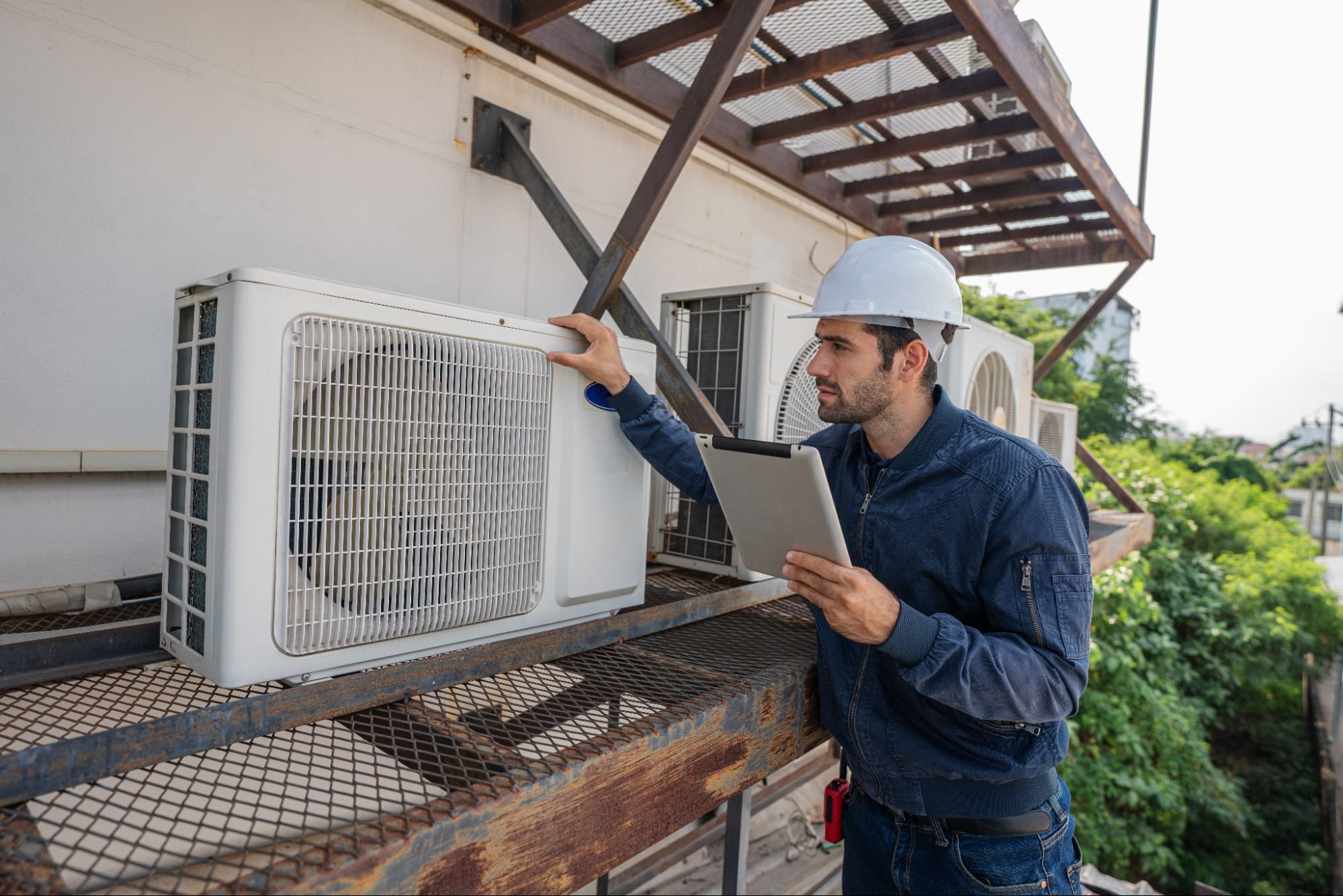
Lake St. Clair’s influence on local weather creates unique comfort challenges that homeowners experience throughout the year. From summer humidity to winter heating demands, understanding how local climate conditions affect HVAC performance can help support better comfort and efficiency.
At S&P Heating, we help homeowners throughout the area evaluate heating and cooling systems based on local weather conditions. Whether you’re addressing comfort concerns, planning maintenance, or considering future upgrades, understanding the role climate plays in HVAC performance is an important first step.
If you’re looking to improve heating and cooling in St. Clair County, contact us today to learn more about solutions designed for Michigan’s changing weather conditions.
FAQ
Does living closer to Lake St. Clair affect the lifespan of HVAC equipment?
Proximity to large bodies of water can expose outdoor equipment to higher moisture levels and changing weather conditions. While many factors influence equipment lifespan, regular maintenance is especially important in environments where exposure to moisture is more frequent.
Can weather conditions near Lake St. Clair affect utility bills?
Weather patterns can influence how often HVAC systems operate throughout the year. Temperature swings, humidity levels, and seasonal weather events may all contribute to changes in heating and cooling demand.
Are shoreline homes more likely to experience indoor humidity challenges?
Every home is different, but homes near large bodies of water may experience unique moisture conditions depending on construction, ventilation, insulation, and local weather patterns. Proper humidity management can help maintain comfort regardless of location.
Explore More HVAC Insights From S&P Heating
Want to learn more about heating, cooling, indoor comfort, and HVAC performance throughout Michigan? Visit the S&P Heating blog for additional homeowner resources, seasonal tips, and expert guidance designed to help you make informed decisions about your home’s comfort systems.