
Ductless Mini-Split Installation in Clay Township, MI
Not every room needs to depend on the property’s existing ductwork to stay comfortable. S&P Heating LLC provides ductless mini-split installation for spaces that need their own heating or cooling solution, including additions, converted areas, and rooms that consistently struggle to maintain the desired temperature. With a mini-split installation in Clay Township, MI, our team evaluates the space, determines its comfort requirements, and plans the equipment placement around the property. The result is a dedicated ductless system that gives you direct temperature control where you need it most.
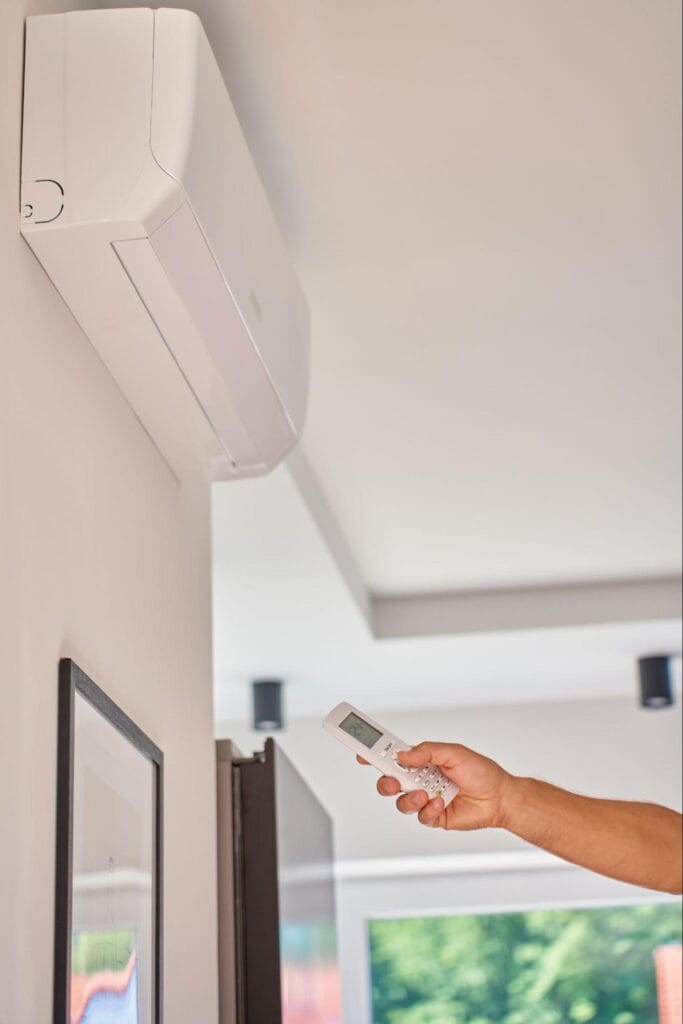
Does a Ductless Mini Split Make Sense for Your Space?
Do you have an addition, converted garage, upstairs room, or other space that never reaches the temperature you want? Or are you planning to add AC access to an area of the house where extending the existing ductwork would require substantial changes to the property? These are situations where our team can evaluate whether a ductless system fits the space, rather than assuming the existing central HVAC system must handle the added demand.
A ductless mini-split gives a specific area its own source of temperature control without requiring conditioned air to travel through traditional ductwork. At S&P Heating LLC, we provide ductless heating and A/C services in Clay Township for properties where the existing HVAC setup does not adequately serve every part of the building.
Our team evaluates the room, its comfort requirements, existing HVAC setup, and potential equipment locations before recommending an installation approach. For properties around Clay Township, that means planning the ductless system around how the specific space will actually be used rather than treating every installation the same.
How Do We Install a Ductless Mini Split System?
Installing a mini-split requires more than mounting equipment to a wall. Our team evaluates the intended space, plans where the indoor and outdoor components will go, establishes the connection between them, manages condensate drainage, and checks the completed system for proper operation.
Evaluating the Space Before Installation
The process starts with an assessment of the area the mini-split will serve. We consider the actual heating/cooling load, insulation/windows, room characteristics, and usage.
Planning the Indoor and Outdoor Equipment Locations
While we are evaluating the room, we also identify possible indoor and outdoor unit locations. The indoor unit needs a position where it can distribute conditioned air throughout the intended space without furniture, walls, or other obstructions interfering with airflow. For the outdoor unit, we look for an exterior location that provides the manufacturer-required clearance around the equipment and provides a level, stable mounting surface.
We also consider the route between these components. A mini-split requires a pathway for refrigerant lines, electrical or control wiring, and condensate drainage. Planning that route before mounting the equipment helps determine how the indoor and outdoor components will connect through the property.
Installing and Connecting the Mini Split Equipment
Once the locations are set, the installer mounts the indoor unit and positions the outdoor equipment at the planned location. The installation includes routing the refrigerant lines between the units, completing the applicable electrical and control connections, and establishing a way for moisture removed from the indoor air to drain away from the unit.
Checking the System After Installation
After the equipment and connections are complete, we operate the mini-split to verify that the indoor and outdoor units respond properly. Our team checks temperature output, indoor-unit airflow, thermostat or controller response, and condensate drainage.
We also leak/pressure the refrigerant piping and evacuate it as required, then commission it according to the manufacturer's specifications. This final stage helps identify installation or operating problems before you put the system into regular use.
Additional Cooling and Ductless Services From S&P Heating LLC
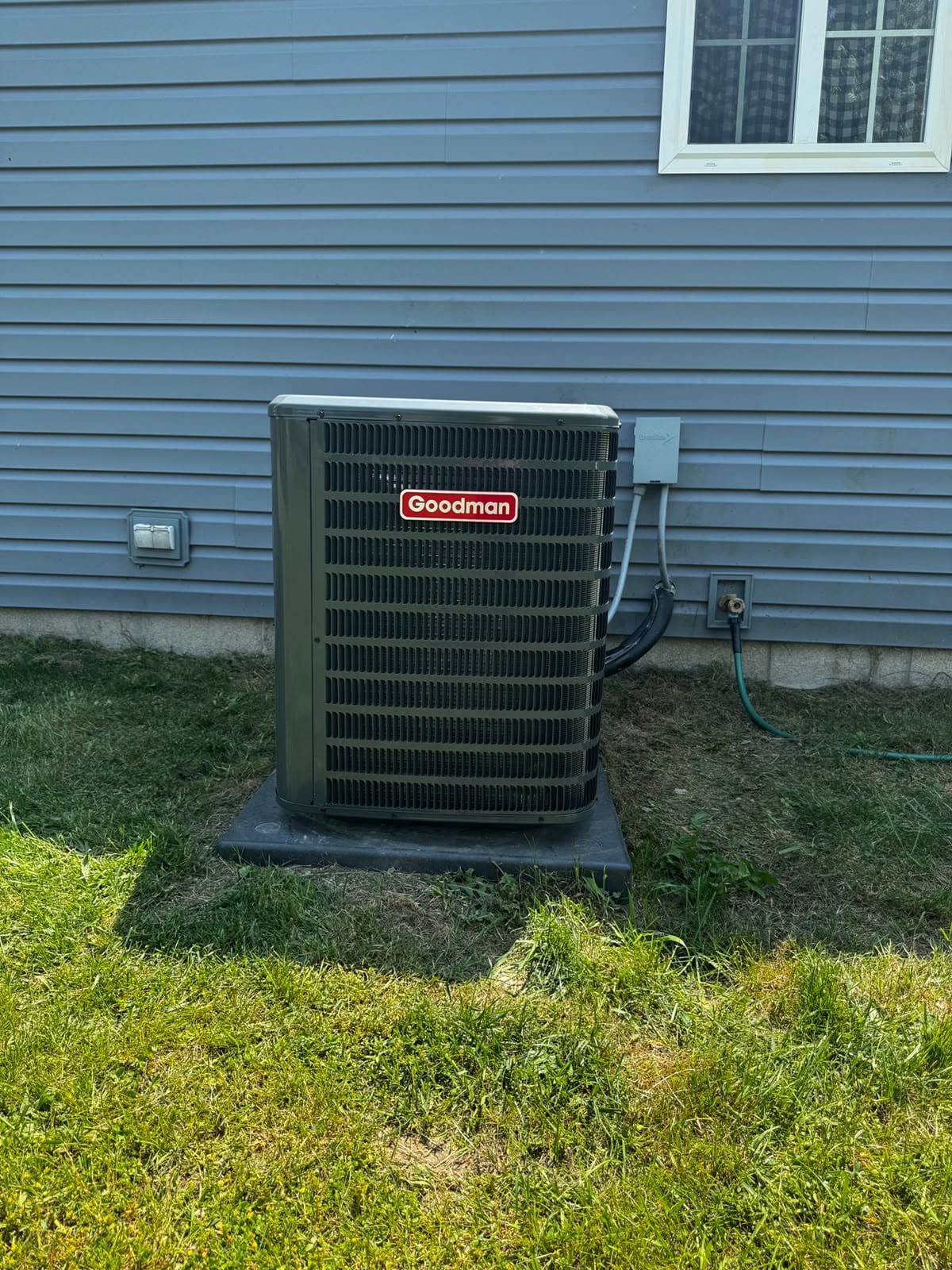
Air Conditioning Contractor
Warm air from the vents, weak airflow, frequent system cycling, unusual operating noises, or an air conditioner that will not start can indicate a cooling system problem. As an air conditioning contractor, S&P Heating LLC evaluates cooling and airflow components, including the thermostat, blower operation, electrical controls, indoor and outdoor equipment, and other applicable parts. Identifying where the cooling process is failing helps determine whether the system needs repair, maintenance, or replacement, rather than continuing to run poorly.
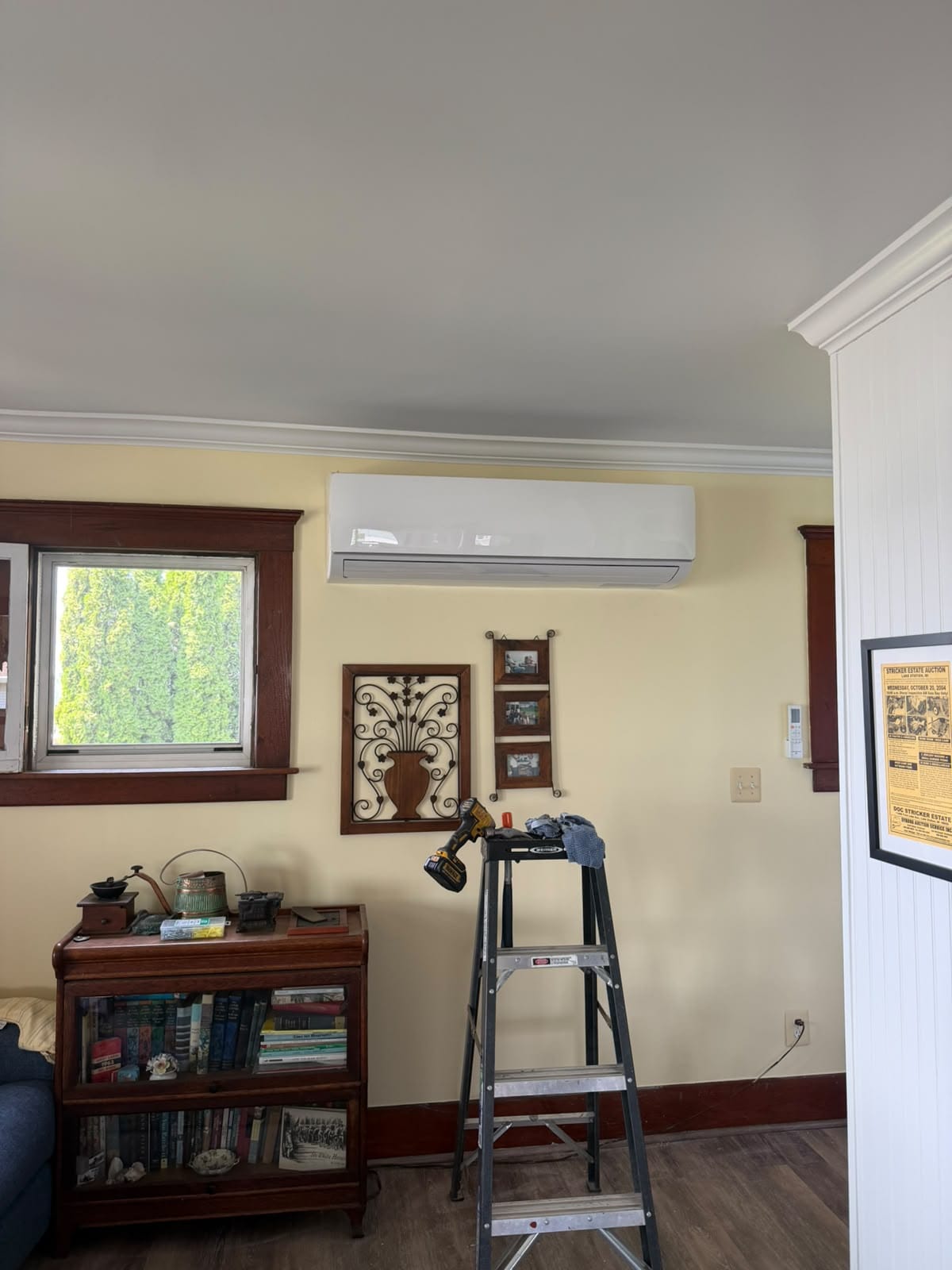
Mini Split Repair
If a ductless system runs without reaching the selected temperature, produces weak airflow, leaks water from the indoor unit, displays an error, or stops heating or cooling, it needs more than a general visual inspection. During mini split repair, our team evaluates the indoor unit, outdoor equipment, controls, condensate drainage, electrical components, and refrigerant system, as needed. Finding the actual source matters because a clogged drain, control failure, airflow restriction, or equipment malfunction requires a different repair.
Ductless Mini Split Questions Clay Township Customers Ask
Can a mini split heat and cool the same room?
Many ductless mini split systems use heat pump technology that allows the same equipment to provide cooling and heating by moving heat in different directions depending on the operating mode. However, equipment capabilities vary.
Does a mini split need a drain line if it doesn't use ductwork?
Yes, when a ductless indoor unit cools and dehumidifies the air, moisture condenses at the indoor coil and needs a drainage path. Depending on the installation, condensate may drain through appropriately routed tubing or require another drainage arrangement. A drainage problem can cause water to leak or collect around the indoor unit.
Is it cheaper to run a 110 or 220 mini split?
Voltage is determined by the specific equipment/manufacturer requirements, not something customers should choose based on operating cost. In the end, neither voltage automatically makes a mini-split cheaper to operate. A 220-volt system can draw fewer amps than a 110-volt system while delivering the same power, but electricity cost depends mainly on how many kilowatt-hours the equipment uses. The mini-split’s capacity, efficiency rating, operating time, temperature settings, and heating or cooling demand affect operating cost more than choosing 110 versus 220 volts alone.
Mini Split Installation Areas Near Clay Township
S&P Heating LLC provides ductless mini-split services throughout Clay Township and nearby communities.
- Pearl Beach
- Russell Island
- Perch Point
- Harsens Island
- Algonac
- Fair Haven
- Ira Township
- Cottrellville Township
- Avalon Beach
- New Baltimore
For properties near the edge of our local coverage area, call (586) 250-0161 to confirm service availability for your specific address.
Give That Hard-to-Comfort Space Its Own Solution
A room that stays too warm or too cold does not always mean you need to make major changes to the property’s entire HVAC system. With ductless mini-split installation, you can give a converted space, or problem room, its own source of temperature control without extending conventional ductwork into the area.
If you are considering a mini-split installation in Clay Township, MI, call our HVAC contractors at (586) 250-0161 to discuss the space and get a free quote.