A heat pump moves heat instead of producing it, giving you efficient heating in winter and cooling in summer for reliable year‑round comfort. This guide walks New Baltimore homeowners through how heat pump installation works, why you might pick an air‑source, ductless mini‑split, or hybrid, and how local factors can affect performance. You’ll learn how correct sizing and efficiency ratings (SEER2 and HSPF2) change operating costs, what a typical installation timeline looks like, and which items usually drive price when you request a local quote. We also cover Michigan‑specific incentives and financing considerations and offer a practical comparison between heat pumps and natural‑gas furnaces.
What Are the Types of Heat Pumps Available for New Baltimore Homes?
Residential heat pumps come in several types: air‑source, ductless mini‑split, and hybrid (dual‑fuel). All move heat via refrigerant or ground loops, heating or cooling your home more efficiently than many older systems. The right choice depends on your house (construction and existing ducts), the lot or site, and your goals for efficiency and life‑cycle cost. In New Baltimore, air‑source and modern cold‑climate models often offer the best balance of upfront cost and winter performance, while ductless mini‑splits are a smart retrofit for homes without ducts or for zoning specific rooms. Understanding these options helps you match system performance to local weather, retrofit complexity, and budget before scheduling a professional load calculation.
How Do Air-Source and Ductless Mini-Split Heat Pumps Differ?
Air‑source heat pumps use an outdoor compressor/condenser paired with an indoor air handler and typically deliver conditioned air through existing ductwork, providing whole‑house heating and cooling in one system. Ductless mini‑splits pair one outdoor condenser with one or more wall‑ or ceiling‑mounted indoor units, avoiding ducts and offering room‑by‑room zoning and strong part‑load efficiency. If your home already has serviceable ducts, an air‑source system is often the more cost‑effective route. For older homes, additions, or rooms that need independent control, ductless mini‑splits cut installation complexity and avoid invasive ductwork. Given New Baltimore’s older housing stock in some areas, ductless options often offer a practical retrofit that preserves your home’s structure while improving comfort.
What Efficiency Ratings Should New Baltimore Homeowners Consider?
SEER2 (Seasonal Energy Efficiency Ratio) and HSPF2 (Heating Seasonal Performance Factor) measure cooling and heating efficiency under updated test procedures; higher numbers generally mean lower operating costs for the same output. In Michigan’s mixed cold and humid climate, look for HSPF2 ratings that support reliable cold‑weather heating and SEER2 values that reduce summer cooling bills, while balancing the upfront cost to meet rebate requirements. Choosing high-HSPF2/SEER2 equipment can lower annual utility bills, and pairing a high‑efficiency heat pump with a matched thermostat and zoning plan increases savings. Always confirm sizing with a professional Manual J load calculation to make sure the rated efficiency delivers real‑world benefits for your New Baltimore home.
Different heat pump types compared by essential attributes for New Baltimore homeowners.
| Heat Pump Type | Typical Cost Range | Ideal Home Type | Efficiency (HSPF2/SEER2) | Typical Lifespan |
|---|---|---|---|---|
| Air-Source | Moderate | Homes with existing ductwork | HSPF2 7–11 / SEER2 14–22 | 15–20 years |
| Ductless Mini-Split | Moderate to High | Homes without ducts, additions | HSPF2 8–12 / SEER2 15–26 | 15–25 years |
| Hybrid (Dual-Fuel) | Moderate to High | Cold-climate homes with gas backup | Varies by system | 15–25 years |
How Does the Heat Pump Installation Process Work in New Baltimore?
Professional heat pump installation starts with a site visit and load calculation to get sizing right, moves through permitting and installation, and ends with commissioning and a homeowner walkthrough to ensure you understand operation and warranty terms. Proper sequencing helps avoid common problems, incorrect sizing, short cycling, or unmet comfort, especially in Michigan’s variable winters. Expect a clear timeline, permit handling, and post‑install testing to confirm SEER2/HSPF2 performance under local conditions. Working with local installers who know New Baltimore’s microclimate improves long‑term reliability and helps the system meet both comfort and efficiency goals.
What Are the Key Steps from Consultation to Post-Installation?
The typical sequence is: on‑site consultation and Manual J load calculation; permits and scheduling; outdoor and indoor equipment installation; refrigerant charging and electrical hookup; commissioning and performance testing; and a final walkthrough with maintenance planning. During the consultation, you can request a free on‑site evaluation to capture accurate measurements and check duct condition. This step is critical for precise sizing. After installation, technicians verify airflow, refrigerant charge, and thermostat settings, then explain seasonal operation. Following final inspection and any adjustments, scheduling routine maintenance helps preserve efficiency and extend service life.
What Is the Average Cost of Heat Pump Installation in New Baltimore?
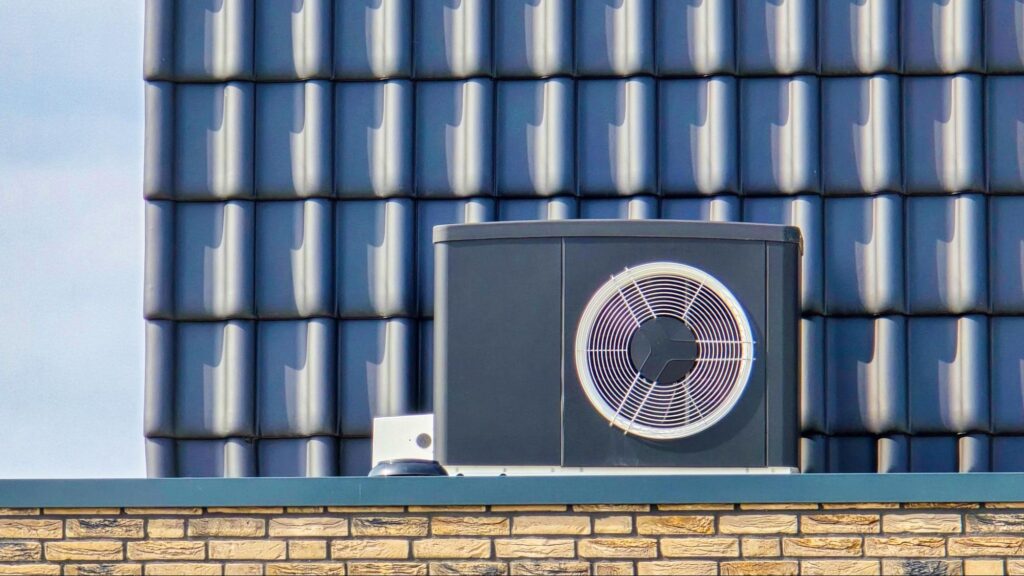
For typical single‑family retrofits in New Baltimore in 2025, installed costs for air‑source or ductless mini‑split systems typically range from $6,000 to $15,000. That range reflects unit price, labor, ductwork work, and permits. Treat the range as a starting point and get a personalized quote after a site visit and load calculation. For rebate and financing planning, having the proposed equipment’s SEER2/HSPF2 ratings and a clear scope of work speeds eligibility checks.
Which Factors Influence Heat Pump Installation Prices?
Unit size and efficiency affect material costs and can shift the price by several thousand dollars between entry‑level and top‑tier models. Installation complexity, multi‑zone ductless systems, or geothermal ground loops, raises labor and site‑prep costs. If your home needs duct repair or new ducts, expect additional costs for sheet metal, air handler changes, and sealing and balancing; electrical service upgrades also add contractor and permit fees. Local permitting and inspection charges, seasonal demand for installers, and warranty level options further influence the total. Understanding these parts of an estimate helps you ask focused questions and decide which upgrades deliver meaningful long‑term savings.
Typical cost categories and example price relationships for New Baltimore projects.
| Cost Category | What It Covers | Typical Impact on Total Price |
|---|---|---|
| Unit Cost | Heat pump equipment by type and efficiency | Medium–High |
| Size/Capacity | Tonnage and matched indoor equipment | High |
| Labor & Installation | Mounting, refrigerant, commissioning | Medium |
| Ductwork/Outfitting | Repairs or new duct systems | Medium–High |
| Permits & Inspections | Local approvals and final inspection | Low–Medium |
Compare your estimate against this table to identify where costs vary and which items are negotiable or worth investing in for long‑term performance.
What Are the Benefits of Installing an Energy-Efficient Heat Pump in New Baltimore?
Energy‑efficient heat pumps use less electricity per unit of heat moved than resistance electric heat and can cut annual energy costs versus older fossil‑fuel systems—especially when local rates and usage patterns favor electricity. They deliver both heating and cooling in a single system, with quieter operations and lower on‑site emissions when replacing combustion equipment. Properly sized and installed heat pumps also improve indoor air quality by supporting effective filtration and controlled ventilation, an advantage when removing older combustion systems. For many homeowners, these benefits add up to noticeably better year‑round comfort and a smaller environmental footprint.
How Do Heat Pumps Provide Year-Round Comfort and Energy Savings?
Heat pumps move heat by circulating refrigerant between indoor and outdoor components, using outside air or ground temperature as the source or sink. Because they transfer heat rather than generate it through combustion, they often exhibit higher Seasonal Energy Efficiency Ratios and coefficients of performance than fossil‑fuel systems. In practice, you can see lower winter electricity use compared with resistance heating and reduced summer cooling bills with a high SEER2 rating. Pair a heat pump with proper insulation, a smart thermostat, and zoning, and you get steady indoor temperatures and measurable energy savings over a full year.
What Environmental and Indoor Air Quality Advantages Do Heat Pumps Offer?
Because heat pumps avoid on‑site combustion, they reduce household NOx and CO2 emissions relative to fossil‑fuel furnaces, helping local air quality and shrinking your home’s carbon footprint, especially as the grid gets cleaner. Replacing an older furnace also removes combustion‑related indoor pollutants that can affect respiratory health. Modern systems support high‑efficiency filters and controlled ventilation; to maximize indoor air quality, use appropriately rated filters and keep up with regular maintenance to prevent dust buildup and maintain airflow. Those steps protect both equipment efficiency and occupant health while delivering long‑term environmental benefits.
How Does a Heat Pump Compare to a Furnace for New Baltimore Homeowners?
Heat pumps are a strong choice for homeowners who want year‑round efficiency and integrated cooling; furnaces may still make sense where natural gas is inexpensive and existing infrastructure favors combustion systems. Modern cold‑climate heat pumps have largely closed the performance gap in Michigan winters, making them a practical replacement for many homes that once relied on furnaces. Upfront costs for heat pumps can be higher depending on system type and any ductwork or electrical upgrades, but lifecycle operating costs often favor heat pumps when electricity rates and efficiency gains are considered. We recommend weighing projected annual operating costs, expected equipment life, and environmental priorities when choosing between repair and replacement.
What Are the Energy Cost and Performance Differences?
Heat pump efficiency is expressed by coefficient of performance (COP) and HSPF2/SEER2 ratings, while furnaces use AFUE to measure combustion efficiency. Higher COP or HSPF2 values typically indicate lower electricity use per unit of heating output than with older equipment. In a typical Michigan winter, a modern heat pump with a high HSPF2 rating can match or beat the seasonal heating costs of an aging gas furnace, depending on electricity and gas prices and system efficiency. Fuel price swings and local utility rate structures affect the math, so sample operating‑cost projections based on recent rates and your home’s heating load give the best answer. For many New Baltimore homes, a high‑efficiency heat pump reduces total seasonal energy expense and adds summer cooling benefits.
A compact comparison illustrating typical trade-offs:
| Comparison Area | Heat Pump | Furnace |
|---|---|---|
| Efficiency Metric | COP / HSPF2 / SEER2 | AFUE |
| Operating Cost | Lower with high‑efficiency models | Variable with gas prices |
| Cold-Weather Performance | Improved with cold‑climate models | Reliable down to very low temps |
| Upfront Cost | Moderate–High | Variable, often lower for simple replacements |
| Environmental Impact | Lower local emissions | Higher on‑site combustion emissions |
Heat Pump Installation Done Right in New Baltimore
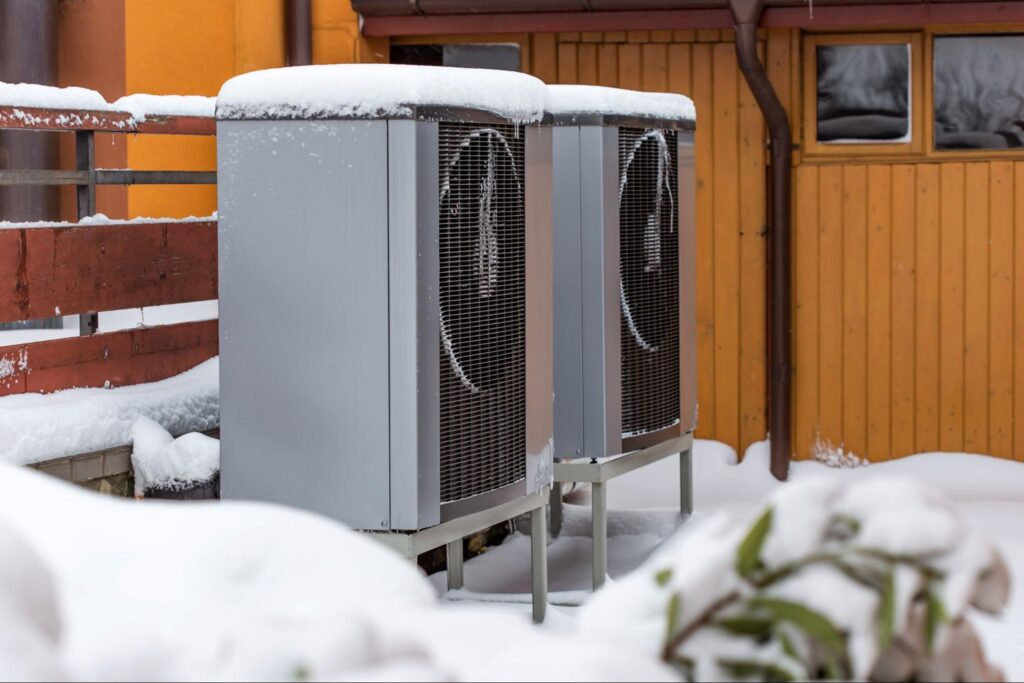
Installing a heat pump is one of the smartest investments you can make in year-round comfort, and S&P Heating makes it easier than ever. Our expert team in New Baltimore will walk you through your system options, assess your home’s layout, and recommend a solution that fits your lifestyle and budget. From start to finish, you’ll get crystal-clear pricing, professional installation, and post-installation support you can trust. We make comfort efficient, modern, and totally stress-free.
Contact us today to book your free heat pump consultation in New Baltimore and experience the upgrade you deserve.
Frequently Asked Questions
How long does it take to install a heat pump system?
Most standard installations can be completed in one to two days. Larger or more complex homes may require a longer timeline, especially if ductwork modifications are needed.
Do you need to upgrade your electrical panel for a new heat pump?
It depends on the model and your home’s existing electrical capacity. Some high-efficiency systems may require a dedicated circuit, but your HVAC contractor will evaluate this during the initial estimate.
Can you install a heat pump in an older home in New Baltimore?
Absolutely. Older homes may require additional modifications, such as insulation upgrades or duct sealing, but heat pumps can be a great fit with the right prep work.
Next Read: Choosing the Right Heat Pump Repair in Casco
Looking for help after your system is installed? Don’t miss “Casco Heat Pump Repair: How to Choose a Reliable, Affordable Local Service“ for expert advice on keeping your system running long-term.