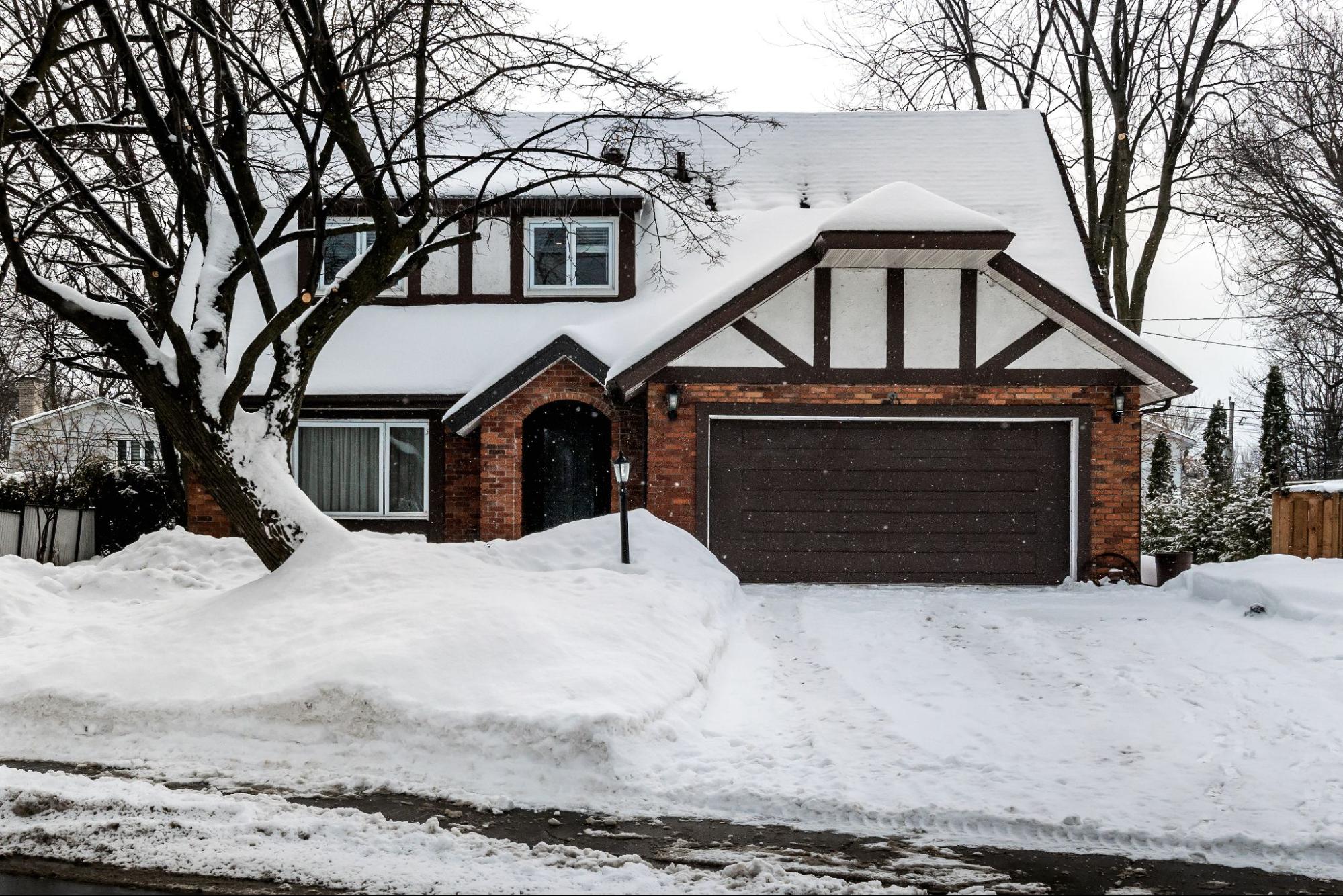
Picking the right furnace matters for comfort, energy bills, and the reliability of your heating during Baltimore winters. This guide explains the main furnace types, how to size a unit, typical installation costs, and basic maintenance steps that keep a system running efficiently.
What Are the Different Types of Furnaces for Baltimore Homes?
Before choosing a furnace, it helps to know the main types and what each does best. The three common options are gas, electric, and oil. Each has different efficiency characteristics, operating costs, and installation considerations, and those differences influence which is the smartest pick for your house.
How Do Gas, Electric, and Oil Furnaces Compare in Efficiency and Cost?
Gas, electric, and oil furnaces differ in how efficiently they convert fuel to heat and in operating costs.
AFUE (Annual Fuel Utilization Efficiency) is the standard measure to compare furnace performance, think of it as the “miles per gallon” of heating systems.
- Gas Furnaces: The most common choice in many areas, gas furnaces can reach about 98% AFUE on high-efficiency models. Where natural gas is available, they usually cost less to operate than electric or oil units, and they heat homes quickly.
- Electric Furnaces: Electric units convert nearly all electricity to heat, giving them near-100% efficiency. Higher electricity rates, however, can make whole-home heating more expensive in cold climates.
- Oil Furnaces: Less common today but still used in colder or rural locations, oil furnaces typically offer 80–90% AFUE. Fuel price volatility and delivery logistics can make oil systems pricier and less convenient.
Examining life-cycle costs and regulatory AFUE levels helps illustrate how efficiency standards influence household energy use and long-term expenses.
Which Furnace Type Is Best Suited for New Baltimore’s Climate?
New Baltimore winters are cold enough that gas furnaces are often the most practical choice; they heat quickly and typically cost less to run than electric heat in this area. Electric furnaces can still make sense for small homes, apartments, or locations without natural gas service, but consider long-term electricity costs. Oil is generally less common and can be more expensive to operate for most New Baltimore homeowners.
How Do You Size a Furnace Correctly for Your Home?
Getting the right furnace size matters for comfort and efficiency. A unit that’s too large will cycle on and off too often; one that’s too small won’t keep your home warm enough. Proper sizing balances heating output with your home’s heat loss.
What Factors Determine the Right Furnace Size?
Several elements affect the correct furnace capacity for your house:
- Home Size and Layout: Square footage, ceiling height, and open floor plans all influence how much heat you need.
- Insulation Quality: Better insulation and efficient windows reduce heat loss, allowing a smaller, more efficient furnace.
- Local Climate Conditions: Colder winters increase the heating load and may require a higher-capacity unit.
How Does Proper Sizing Impact Energy Efficiency and Comfort?
Right-sizing improves comfort and lowers operating costs. Oversized furnaces have short cycles, wasting energy and causing uneven temperatures. Undersized units run constantly and may still leave you cold. A properly sized furnace runs efficiently, maintains steady indoor temperatures, and reduces unnecessary wear.
What Are the Typical Furnace Installation Costs in Baltimore?
Installation costs vary. Knowing the main price drivers helps you budget and compare bids from local contractors.
Which Factors Influence Installation Pricing?
Key cost drivers include:
- Type of Furnace: Gas systems often cost more to install because of gas line work and venting requirements.
- Complexity of Installation: If your home requires new or modified ductwork, or if access is difficult, labor and materials will increase the total.
- Local Labor Costs: Rates differ by area and by the experience and reputation of the HVAC contractor.
How Can You Get Competitive Quotes from Local HVAC Providers?
- Research Local Providers: Check reviews, ask neighbors, and verify licenses and insurance.
- Ask Questions: Confirm what’s included, permits, warranty, disposal of the old unit, and any follow-up service.
- Compare Quotes: Get multiple written estimates and compare system performance (AFUE), labor details, and warranties, not just the bottom-line price.
How Can You Maintain Your Furnace for Longevity and Efficiency?
Routine maintenance keeps a furnace running reliably and helps avoid unexpected breakdowns, saving money over the life of the system.
What Are Essential Furnace Maintenance Tips?
Keep your furnace in top condition with these simple actions:
- Change Filters Regularly: Clogged filters reduce airflow and efficiency. Replace filters every 1–3 months, depending on use and filter type.
- Clean Ducts: Clean ducts when they’re visibly dusty or contaminated. Cleaner ducts can improve air quality and system performance.
- Schedule Annual Check‑Ups: A yearly professional inspection before heating season lets a technician spot wear and fix small issues before they become costly failures.
Make the Right Furnace Choice With Confidence

Installing a new furnace is a major investment, and selecting the wrong size or efficiency level can cost you more in the long run. From AFUE ratings to installation requirements, several factors determine whether a furnace is truly right for your home.
At S&P Heating, we walk homeowners through every detail, from energy efficiency comparisons to installation timelines, so there are no surprises. If you’re considering upgrading your heating system, contact us today for a professional evaluation and customized recommendations tailored to your New Baltimore home.
FAQ
What size furnace do you need?
Proper sizing depends on square footage, insulation levels, ceiling height, and window efficiency. A professional load calculation ensures your system isn’t too large or too small.
Are high-efficiency furnaces worth the extra cost?
High-efficiency models typically offer long-term energy savings and lower monthly bills. Over time, those savings can offset the higher upfront investment.
How long does furnace installation take?
Most installations can be completed within one day. More complex replacements involving ductwork adjustments may take longer.
Up Next: Why Seasonal HVAC Maintenance Matters
Learn how preventative service protects your investment in our next article: “HVAC Seasonal Maintenance in New Baltimore: How Regular Checkups Keep Your Home Comfortable.“