Choosing between a heat pump vs. furnace affects both comfort and your monthly energy bill. This guide explains how each system performs in terms of efficiency, installation cost, and operating expense, so you can balance the upfront price against long‑term savings.
How Do Heat Pump Efficiency Ratings Compare to Furnace Efficiency Ratings?
Efficiency ratings show how well a system turns energy into heat. Modern heat pumps generally post higher efficiency than older furnaces, making them a strong choice in moderate climates. SEER and HSPF rate heat pumps, while AFUE rates furnaces. Higher numbers mean cleaner energy use, lower bills, and a smaller carbon footprint.
What Are the Energy Efficiency Ratings of Heat Pumps?
Heat pumps have two common ratings: SEER for cooling and HSPF for heating. A higher SEER indicates better cooling efficiency; a higher HSPF indicates better heating efficiency. For example, a unit with a SEER of 16 and an HSPF of 9 is considered efficient and can deliver noticeable energy savings over time. Use these ratings when comparing models to reduce your energy use.
How Do Furnace Efficiency Ratings Affect Energy Savings?
Furnaces use AFUE to show how much of the fuel is converted to usable heat. An AFUE of 90% means 90% of the fuel’s energy heats your home, and 10% is lost. The higher the AFUE, the less fuel wasted and the lower your operating costs. When shopping for a furnace, AFUE is one of the top figures to consider for projecting long‑term expenses.
What Are the Installation Costs for Heat Pumps vs Furnaces?
Installation costs depend on system type, installation complexity, and local labor rates. Heat pumps typically require a larger upfront investment than traditional furnaces, but energy savings over time can help offset that initial cost.
How Much Does Furnace Installation Typically Cost?
Furnace installation typically ranges from $2,500 to $5,000, depending on the type of furnace and the level of work required. Unit size, AFUE rating, and any needed ductwork changes all affect the final price. Get multiple quotes to compare scope and cost.
What Factors Influence Heat Pump Installation Prices?
Heat pump installations typically range from $4,000 to $8,000. Price varies with air‑source versus ground‑source systems, unit size, and installation complexity. Local market conditions and the availability of experienced installers also matter; factor these into your budget when planning an upgrade.
| Heating System | Average Installation Cost | Primary Cost Factors |
|---|---|---|
| Heat Pump | $4,000 – $8,000 | Type (air or ground), unit size, installation complexity |
| Furnace | $2,500 – $5,000 | Type, efficiency (AFUE), ductwork modifications |
This side‑by‑side view highlights the typical upfront difference between heat pumps and furnaces. Keep both initial cost and projected energy savings in mind when deciding.
How Do Operational Energy Costs Compare Between Heat Pumps and Furnaces?
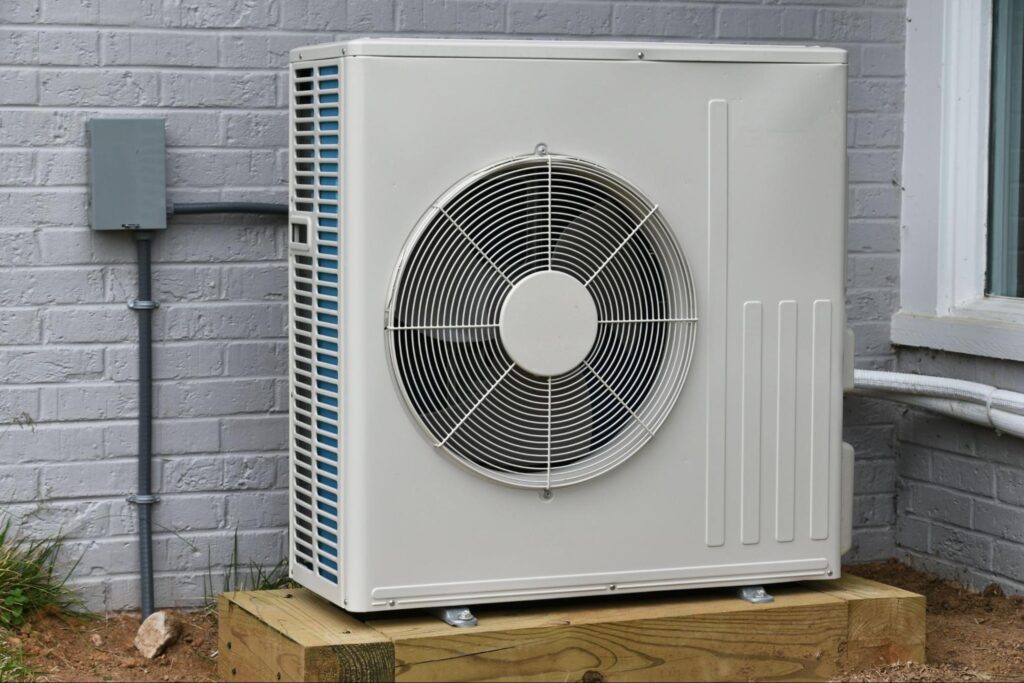
Operating costs are a major part of a system’s lifetime expense. Because heat pumps move heat rather than producing it, they typically cost less to run than furnaces and also provide cooling during warm months.
Are Heat Pumps Cheaper to Run Than Furnaces?
Generally, yes, especially in moderate climates. Heat pumps can deliver comparable warmth with less energy, lowering monthly bills. For example, heating with a heat pump might cost roughly $0.10 per kWh, while a gas furnace’s cost depends on local gas prices and often results in a higher cost per unit of heat. Over time, that difference can lead to meaningful savings.
What Is the Expected Lifespan of Heat Pumps vs Furnaces?
Heat pumps typically last about 15–20 years. Furnaces often last 15 to 30 years, depending on model and maintenance. Regular servicing extends the life of both systems and keeps them running efficiently, so include maintenance in your long‑term cost estimates.
Which HVAC System Offers the Best Energy Savings Overall?
In many situations, heat pumps offer the best energy savings, particularly in moderate climates, because they transfer heat rather than generate it. In very cold regions, a furnace may still be the more practical primary heat source, or it can serve as backup when temperatures fall very low.
What Environmental Benefits Do Heat Pumps Provide?
Heat pumps lower greenhouse gas emissions and reduce overall energy use by tapping ambient air or ground heat. That makes them a more sustainable choice for many homeowners and can qualify you for government incentives that support energy‑efficient upgrades.
Ready to Lower Your Energy Bills?

Choosing between a heat pump and a furnace isn’t just about staying warm; it’s about protecting your budget for years to come. The right system can significantly reduce monthly energy costs while delivering consistent comfort throughout Michigan’s changing seasons.
At S&P Heating, we help homeowners in New Baltimore and surrounding communities compare real-world costs, efficiency ratings, and installation requirements before making a decision. Whether you’re leaning toward a heat pump, a furnace, or a hybrid option, we provide clear guidance and honest recommendations. Contact us today to schedule a consultation and find the solution that works best for your home and your wallet.
FAQ
Does electricity or natural gas cost less in Michigan?
Costs vary depending on utility providers and seasonal demand. In some cases, natural gas may be cheaper during peak winter months, while electricity may be more cost-effective during milder seasons.
How long does each system typically last?
Furnaces often last 15–20 years with proper maintenance. Heat pumps may have slightly shorter lifespans due to year-round operation, typically around 12–18 years.
Which system adds more resale value to a home?
Both systems can improve home value if they’re high-efficiency models. Buyers often appreciate updated HVAC systems, especially when energy savings are documented.
Continue Reading: Choosing the Right Furnace for Your Home
Still exploring furnace options? Don’t miss our next guide: “How to Choose the Right Furnace for Your Baltimore Home: Energy Efficiency & Installation Costs.”