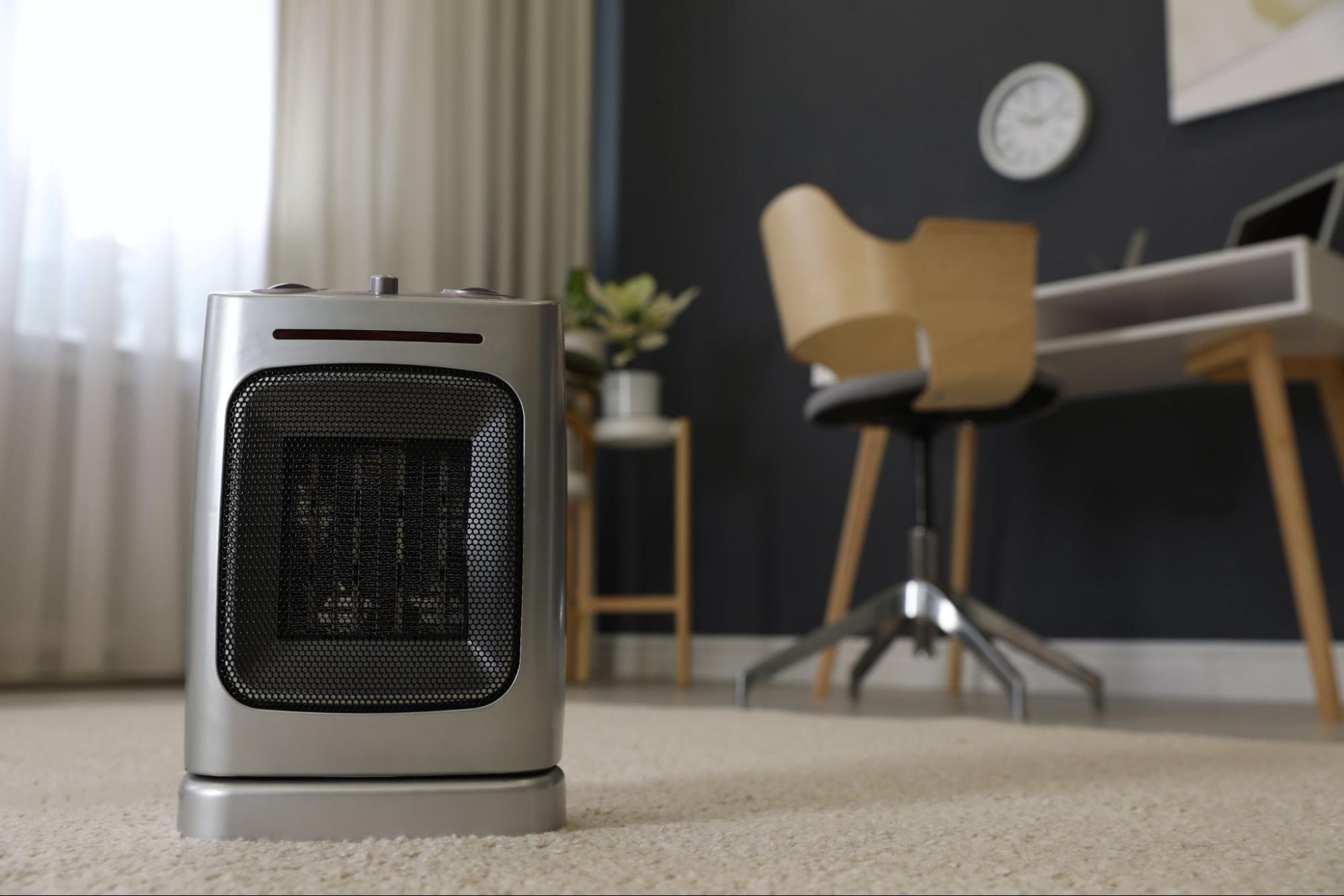
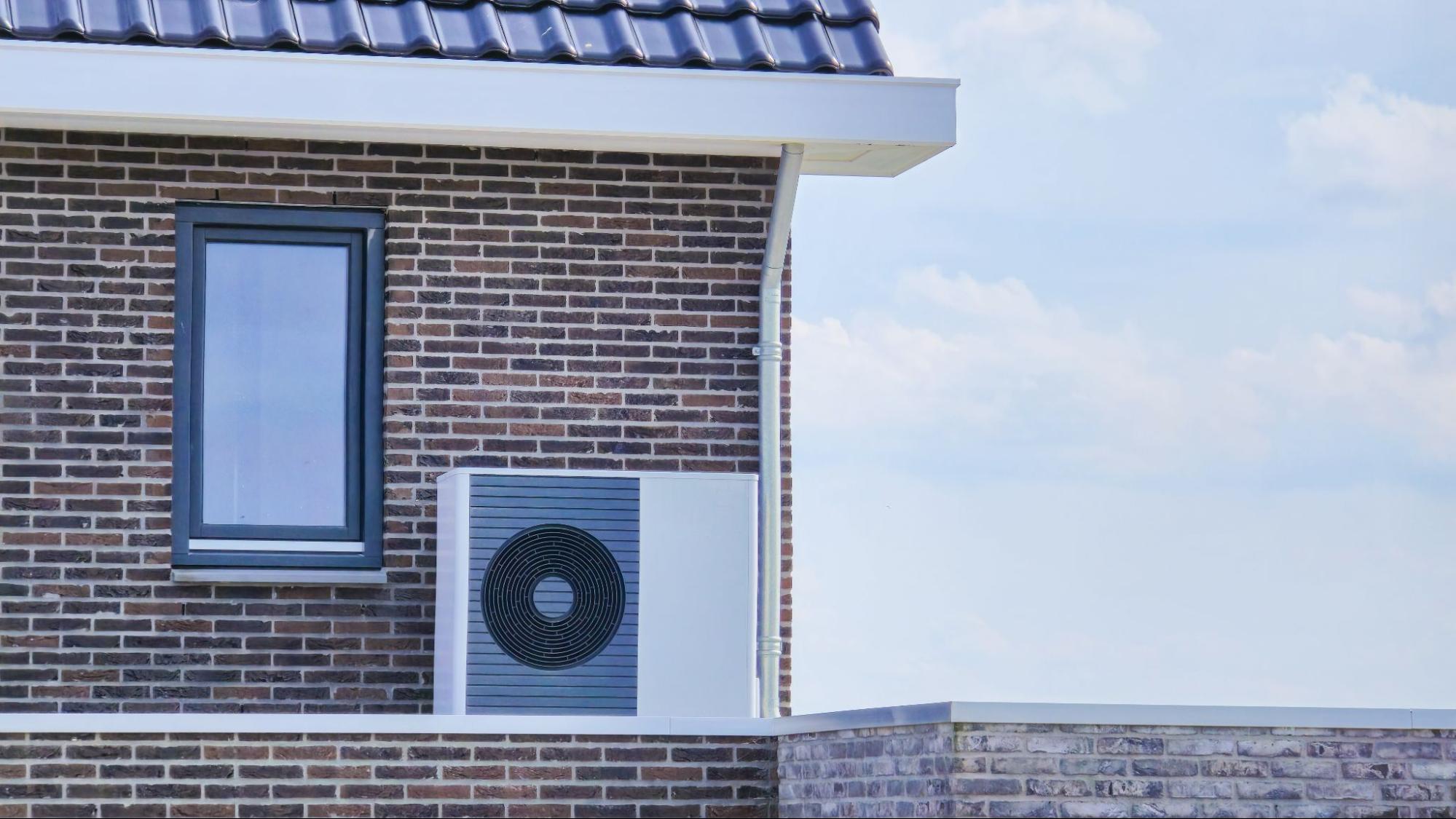
Heat pumps move heat rather than creating it, so they’re often a more efficient way for Fair Haven homeowners to both heat and cool their homes through Michigan’s changing seasons. This guide explains how heat pumps work, compares the primary types, air-source, ductless mini-split, hybrid (dual-fuel), and all-electric, and offers cold-climate advice tailored to Fair Haven. You’ll find typical installation cost drivers, incentive pathways to investigate, plus straightforward maintenance and troubleshooting tips to keep systems running efficiently year-round. We also map the decision factors, home size, insulation, ductwork, and electrical capacity, and include checklists that make it easier to compare SEER, HSPF, and COP so you can estimate real-world performance and long-term savings for your Fair Haven home.
What Is a Heat Pump and How Does It Work in Fair Haven Homes?
A heat pump is an HVAC system that moves thermal energy from one place to another using a refrigerant cycle, so the same unit provides both heating and cooling. It pulls heat from outdoor air, the ground, or a specific zone and brings it inside in winter, then reverses the cycle in summer to remove indoor heat. For Fair Haven homeowners, that means one system can replace or supplement a furnace and air conditioner, improving seasonal efficiency and reducing on-site combustion. Knowing the basics helps you evaluate performance claims, compare lifetime costs, and choose the right system for Michigan winters.
How Do Heat Pumps Transfer Heat for Year-Round Comfort?
Heat pumps use a closed refrigerant loop that includes a compressor, an expansion valve, a condenser, an evaporator, and a reversing valve that lets the system switch between heating and cooling. In heating mode, the outdoor coil absorbs ambient heat, and the compressor raises refrigerant temperature before the indoor air handler distributes the heat. In cooling mode, the reversing valve flips the flow so the indoor coil becomes the evaporator and rejects heat outdoors. The main parts, compressor, outdoor condenser, indoor air handler, and refrigerant lines, must all be maintained, which is why refrigerant checks and coil cleaning are essential for reliable operation.
Why Are Heat Pumps an Energy-Efficient Choice for Fair Haven Residents?
Heat pumps deliver more thermal energy than the electrical energy they use because they move heat rather than produce it. COP measures performance for instant heating, and seasonal ratings like SEER and HSPF reflect performance. A COP above 2 means the unit delivers two units of heat for every unit of electricity. In Fair Haven, where winters account for most of your energy use, cold-climate models and proper sizing can significantly reduce fuel consumption compared with older combustion systems. Understanding these efficiency metrics helps you estimate utility bill impacts and environmental benefits, and guides your system choice.
What Are the Main Types of Heat Pumps Available in Fair Haven?
Fair Haven homeowners typically choose from four heat pump types: air-source, ductless mini-split, hybrid (dual-fuel), and all-electric. Each has different installation footprints, cold-weather performance, and cost profiles. The best fit depends on your site, existing ductwork, budget, and how you want the system to perform in winter. The quick comparison table below summarizes typical costs, cold-weather suitability, and common use cases to help you narrow your options before reading the detailed descriptions.
| System Type | Characteristic | Typical Value / Use |
|---|---|---|
| Air Source Heat Pump | Typical Installation Cost | Moderate — often used for retrofits |
| Ductless Mini-Split | Best Use Case | Zoning and homes without existing ducts |
What Are the Benefits and Installation Details of Air Source Heat Pumps?
Air source heat pumps (ASHPs) use an outdoor condenser and an indoor air handler connected by refrigerant lines. Modern cold-climate ASHPs run efficiently at much lower temperatures than older models. Installation usually needs space for the outdoor unit, a connection to existing ducts or an indoor handling unit, and a dedicated electrical circuit for the compressor.
Pros: lower upfront cost than geothermal, compatibility with many homes, and plenty of local installers.
Cons: performance drops at extremely low temperatures, and defrost cycles can temporarily reduce output.
Knowing these trade-offs helps Fair Haven homeowners decide when an ASHP is the best balance of cost and performance and what to ask contractors during estimates.
How Do Ductless Mini-Split Heat Pumps Provide Flexible Zoning Solutions?
Ductless mini-splits pair one outdoor compressor with one or more indoor wall-mounted units, giving precise temperature control in individual rooms without ducts. They’re ideal for additions, older homes that lack ductwork, or homeowners who want targeted comfort in high-use areas. Installation requires only a small wall opening for the refrigerant and condensate lines.
Advantages include high efficiency at the zone level and faster installation than with full-duct retrofits. The downsides are that multiple indoor units may be needed for whole-house coverage, and wall units are visible. For Fair Haven retrofits, mini-splits can reduce energy lost through leaky ducts and quickly improve comfort in specific rooms.
What Are Hybrid and All-Electric Heat Pump Systems and Their Advantages?
Hybrid (dual-fuel) systems pair a heat pump with a backup furnace so the system can switch automatically to combustion heat when outdoor temperatures or fuel prices make that the better option. All-electric systems rely only on heat pumps and, if necessary, on electric resistance heat, eliminating onsite combustion and supporting home electrification goals. Hybrids often make sense if you already have a furnace and want reliable winter heat with lower seasonal costs. All-electric setups work well for homeowners committed to removing fossil fuel use and who can accommodate any needed electrical upgrades. Both options require checking panel capacity and weighing upgrade costs against long-term goals.
Which Heat Pumps Are Best for Cold Climates Like Fair Haven, MI?
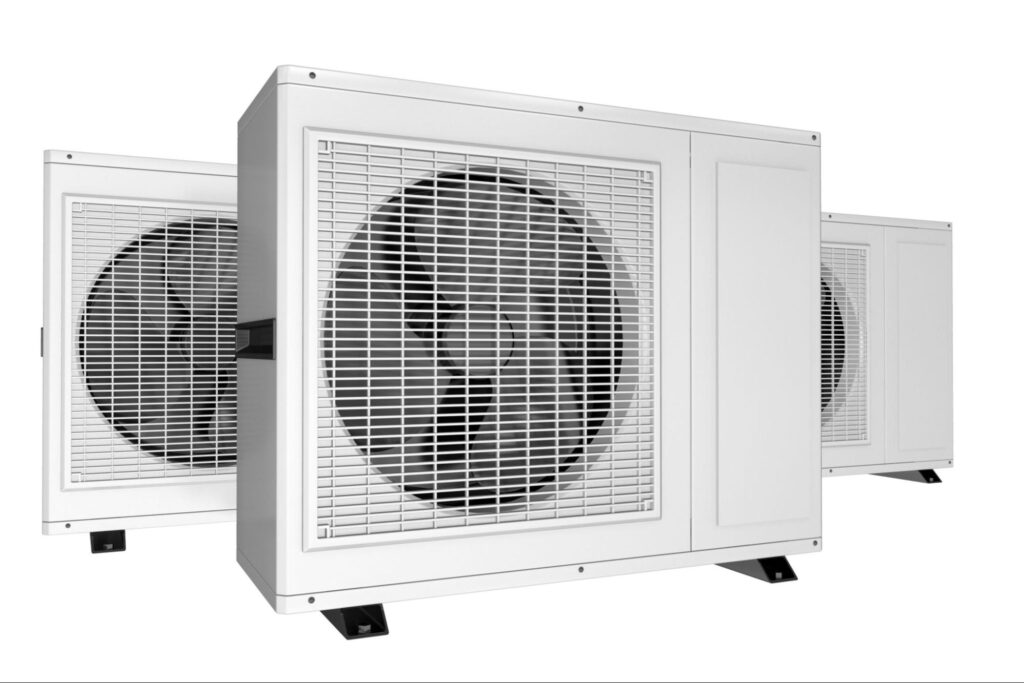
In Fair Haven’s cold climate, air-source heat pumps and hybrid configurations are the strongest candidates because they excel at low-temperature performance and winter reliability. Cold-climate ASHPs use advanced compressors and refrigerants to maintain useful COPs at lower outdoor temperatures, and hybrids switch to furnace heat when needed. Your choice depends on what matters most: lowest operating cost, lowest upfront cost, or simplest system setup.
Below is a winter-focused comparison to clarify how each option behaves during Michigan cold snaps.
| System Type | Winter Efficiency Attribute | Typical Performance in Cold |
|---|---|---|
| Cold-Climate ASHP | COP at Low Temp | Good with cold-rated models; may still need backup in extreme cold |
| Hybrid (Dual-Fuel) | Backup Strategy | Automatic furnace backup for very cold weather |
How Do Air Source Heat Pumps Perform in Michigan’s Winter Conditions?
Modern cold-climate air-source heat pumps perform much better at low temperatures than older units and can continue delivering useful heat down into single-digit Fahrenheit temperatures in many installations. At the coldest extremes, performance falls and defrost cycles can temporarily reduce output while melting frost on the outdoor coil. You might hear brief changes in noise or feel short shifts in heat delivery during those cycles. To mitigate this, choose a cold-climate-rated model, confirm proper sizing, and consider a hybrid or resistance backup for the coldest nights. Check the manufacturer’s low-temperature ratings and owner reports to set realistic expectations for winter performance.
What Makes Hybrid Heat Pump Systems Ideal for Cold Weather?
Hybrid systems automatically switch between the heat pump and a conventional furnace based on outdoor temperature or cost signals, preserving comfort and cost-effectiveness during extreme cold. This switching avoids running an undersized heat pump in conditions where a furnace is more economical while still capturing heat-pump efficiency for most of the season. For Fair Haven homes with an existing furnace, hybrids can be a cost-effective retrofit that reduces disruption and improves seasonal performance. When comparing contractor proposals, ask about switching thresholds and control logic; those settings determine how much seasonal savings you’ll see.
What Factors Influence Heat Pump Installation Costs in Fair Haven?
Key factors are required system capacity (sized from a load calculation), the condition of existing ductwork, whether a geothermal ground loop is needed, and electrical panel capacity for all-electric or high-load systems. Local labor rates, permitting fees, and site accessibility also affect price; tight yards or difficult access can raise labor and equipment-handling costs. Ask contractors for a written cost breakdown (equipment, labor, permits, recommended electrical or duct upgrades) and a load calculation to justify sizing. Comparing multiple estimates and clear, upfront budgeting reduces surprises and helps ensure the installed system delivers the expected efficiency and comfort.
How Should Fair Haven Homeowners Choose the Right Heat Pump for Their Home?
Start with a professional load or sizing calculation and an honest look at your existing ductwork, insulation, and electrical capacity. These basics determine whether air-source, ductless, or hybrid is the best path. Balance upfront cost, expected operating costs, winter reliability, and maintenance needs against goals like electrification or eliminating on-site combustion. SEER, HSPF, and COP help quantify efficiency, but installer quality and correct sizing usually matter more for real-world comfort and bills than brand names alone. Use the checklist below to guide your conversations with contractors.
- Review home square footage, insulation levels, and recent energy bills to estimate heating load.
- Confirm whether existing ductwork is in good shape or needs repair or replacement.
- Check electrical panel capacity and potential upgrade costs for all-electric or high-capacity systems.
What Home and Climate Factors Affect Heat Pump Selection?
Home factors, square footage, insulation, window quality, and whether ducts exist, determine the system size and the most cost-effective setup. In Fair Haven, cold winters and humid summers mean cold-climate ASHPs or hybrids should be high on the list because they balance winter heating with summer cooling. Electrical service is essential for homeowners considering full electrification; an undersized panel can add unexpected upgrade costs. Reviewing these factors with a contractor ensures the recommended system meets comfort needs and stays within budget.
How to Compare Heat Pump Efficiency Ratings and Brands for Fair Haven Homes?
SEER measures cooling-season efficiency; HSPF measures heating-season efficiency for heat pumps; and COP shows instantaneous heating performance at a given outdoor temperature. When comparing models, higher SEER and HSPF numbers mean better seasonal performance, but also check cold-climate ratings and manufacturer low-temperature COP data. Warranty length, local service networks, and installer experience with specific brands affect long-term reliability. Prioritize correct sizing and installer quality; a well-installed mid-range system often outperforms a high-end unit installed poorly.
How Can Fair Haven Homeowners Maintain and Repair Their Heat Pumps for Long-Term Efficiency?
Regular maintenance keeps heat pumps efficient, extends their life, and prevents common failures that drive up operating costs. Homeowner tasks include filter checks and keeping the outdoor unit clear; professional inspections cover refrigerant charge, electrical connections, and coil cleaning. A proactive maintenance plan reduces the risk of emergency breakdowns during the peak heating season and helps meet warranty requirements. The seasonal checklist below lists simple tasks to catch problems early and keep systems running well.
- Replace or clean filters every 1–3 months, depending on use and filter type.
- Keep the outdoor unit free of debris, snow, and vegetation so airflow isn’t restricted.
- Schedule professional tune-ups in spring and fall for refrigerant, electrical, and mechanical checks.
Regular upkeep not only preserves efficiency but also helps decide when repair or replacement is the better choice.
What Are Common Heat Pump Maintenance Tasks and Seasonal Tune-Ups?
Common homeowner tasks include replacing filters, clearing leaves and snow from the outdoor unit, checking condensate drains, and verifying thermostat calibration. Professional tune-ups should inspect refrigerant pressures, tighten electrical connections, clean coils, and test defrost cycles and controls, typically done once or twice a year, depending on use. Regular service reduces energy waste, lowers the chance of premature compressor failure, and helps maintain warranties that require documented maintenance. Schedule tune-ups before peak seasons so your system is ready when you need it most.
When Should You Schedule Heat Pump Repairs or Replacements in Fair Haven?
Call for repairs if you notice rising utility bills without increased usage, frequent short-cycling, unusual noises, persistent ice on the outdoor unit beyond normal defrosting, or loss of heating capacity; these are signs of reduced efficiency or failing components. Consider replacement when repair costs approach a large share of the system’s remaining value, when major components like the compressor fail, or when the system is simply old and much less efficient than new models. Keep service records and check age benchmarks to guide the decision. Plan replacements in off-peak seasons to avoid installer backlogs and confirm rebate windows so incentives can apply to your new system. For emergencies or complex faults, prompt professional evaluation reduces downtime and prevents further damage.
Discover the Right Heat Pump for Your Fair Haven Home
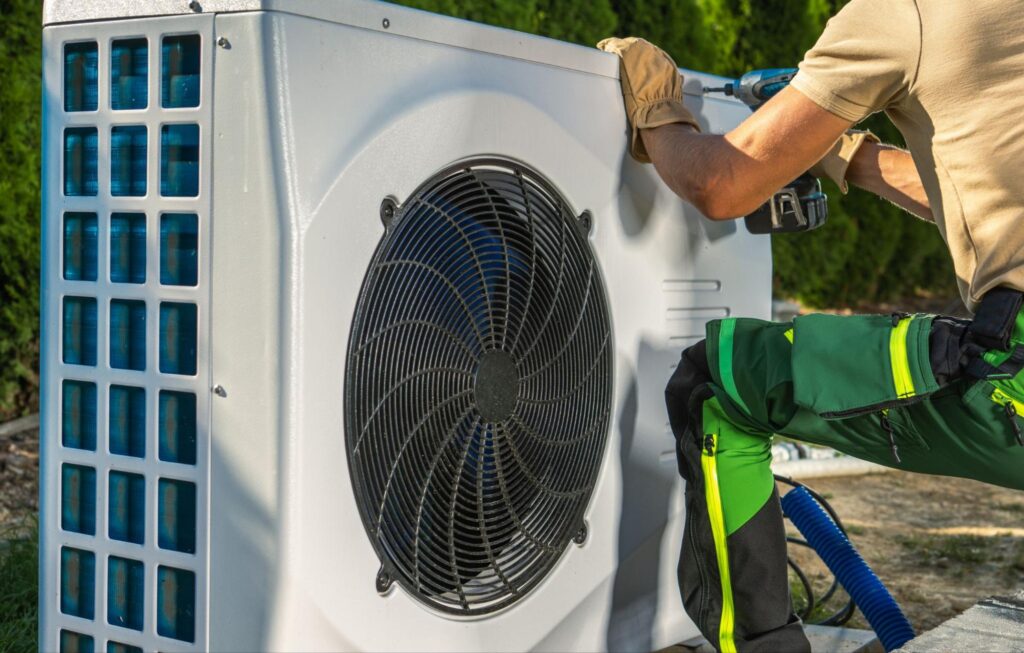
When it comes to upgrading your home’s comfort, choosing the right heat pump makes all the difference. At S&P Heating, we help Fair Haven homeowners match the perfect system to their square footage, insulation level, and long-term energy goals. Whether you’re interested in ductless mini-splits, air-source units, or dual-fuel systems, we break down your options clearly and without pressure. Our expert team is here to walk you through installation, efficiency ratings, and rebates so you can make a confident decision.
Contact us today to explore your best heat pump options in Fair Haven with no guesswork and all the comfort.
Frequently Asked Questions
Do heat pumps work well in colder climates like Fair Haven?
Yes! Modern heat pumps, especially cold-climate models, are designed to operate efficiently in freezing temperatures. Many Fair Haven homeowners benefit from dual-fuel systems that use a backup heat source when needed.
Are there rebates for installing an energy-efficient heat pump in Fair Haven?
Yes, many utility companies and state programs offer incentives for energy-efficient HVAC upgrades. A qualified contractor like S&P Heating can help you access and apply for these rebates.
Next Read: Heat Pump Installation in New Baltimore
Want to know what to expect when installing your heat pump? Head over to “Understanding Heat Pump Installation in New Baltimore: Costs, Benefits, and Expert Services“ for a full breakdown of the process and pricing.