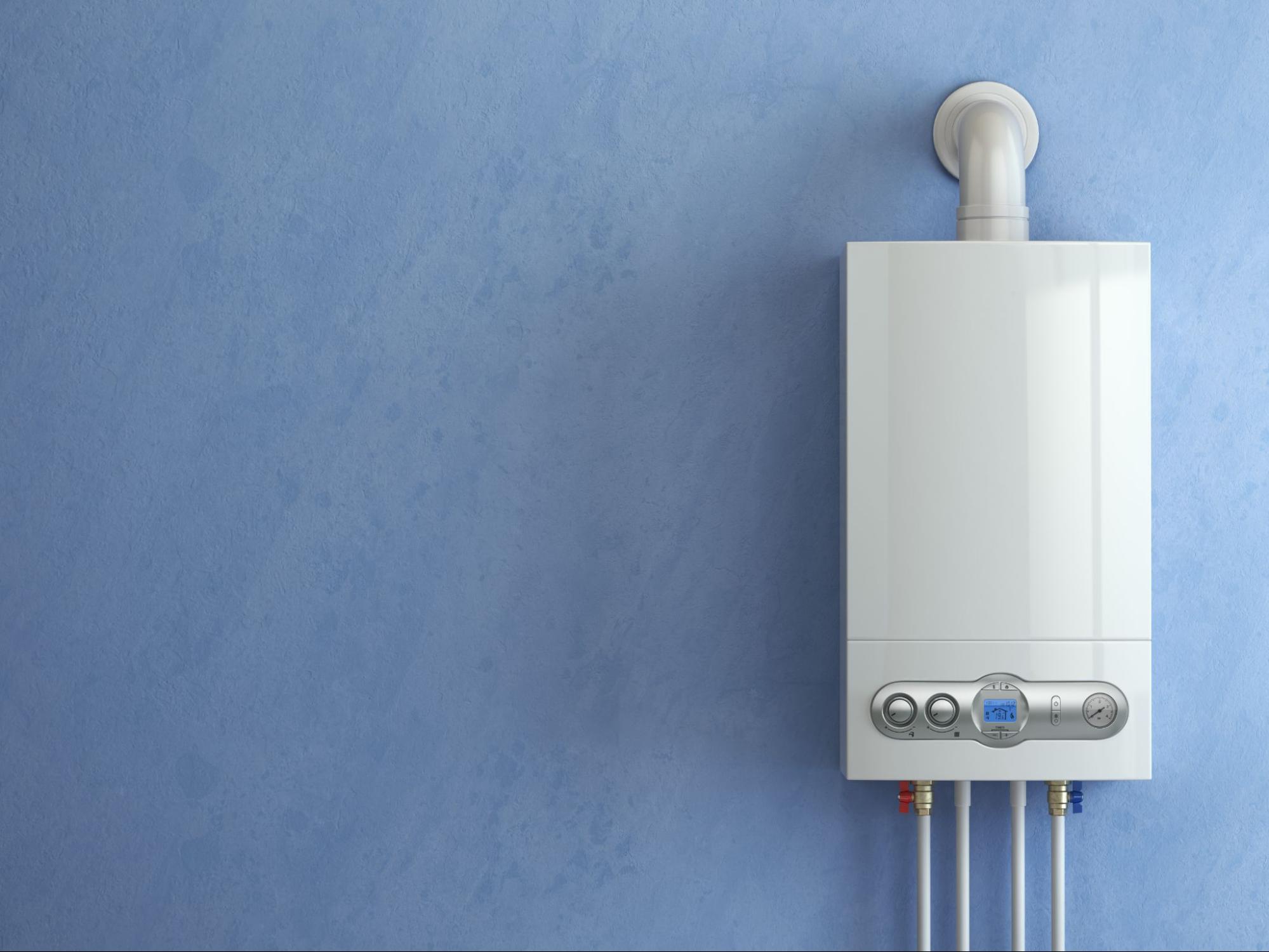
Boiler maintenance includes routine inspections, cleaning, and minor adjustments to keep residential boilers safe, efficient, and reliable for heating and hot water in St. Clair County homes. This guide explains practical maintenance tasks, how the system components interact, and the direct benefits owners see: lower energy bills, fewer midwinter failures, and reduced safety risks. You will also learn when to schedule professional service, how to read and manage boiler pressure, the red flags that require a technician, efficiency and lifespan strategies, carbon monoxide precautions, and a winterization checklist built for St. Clair County conditions.
How Often Should You Schedule Boiler Maintenance in St. Clair County?
An annual professional inspection timed for the fall is the recommended baseline for boiler maintenance because a pre-winter tune-up identifies combustion issues, worn parts, and safety-device problems before freezing weather increases the risk. An annual service typically includes a pressure check, combustion assessment, safety control testing, cleaning of key components, and leak inspection, which together improve efficiency and reduce emergency repairs. Regular seasonal checks, simple homeowner actions in spring and summer plus a pro visit in autumn, help maintain warranty compliance and prevent midwinter breakdowns. Below are homeowner schedule recommendations that balance cost, risk, and local climate realities for St. Clair County.
Homeowner and seasonal maintenance schedule for St. Clair County:
- Monthly quick checks: Visual leak inspection, thermostat verification, and pressure gauge glance to catch problems early.
- Pre-winter (Fall) professional service: Full inspection and tune-up to optimize combustion and safety before the heating season.
- Post-winter review (Spring): Brief check for freeze-related damage and to plan repairs or upgrades during off-peak months.
This schedule reduces emergency calls during cold snaps, preserves efficiency, and keeps the system functioning reliably through Michigan winters.
What Is Included in an Annual Boiler Service Checklist?
An annual boiler service is a thorough inspection and preventive tune-up performed by a certified technician that covers components homeowners cannot safely service. Technicians inspect the pressure gauge and expansion tank, test safety controls and carbon monoxide risk, examine the heat exchanger and flue, clean combustion components and burners, and check condensate and condensate traps for blockages or freeze-up. They also verify thermostat operation and run-system diagnostics to detect intermittent faults that cause inefficiency or failure. Homeowners benefit because the technician corrects combustion settings and replaces small worn parts before they cause costly failures, while safety-critical checks, such as CO exposure and flue integrity, always remain professional tasks.
This checklist distinguishes tasks homeowners can do, like monitoring pressure and bleeding radiators, from those that require tools and certification, which helps prioritize what to monitor monthly versus schedule for a pro.
Why Is Preventative Boiler Upkeep Important for St. Clair County Homes?
Preventative maintenance reduces the likelihood of emergency repairs during prolonged cold spells by catching failing components and heat-exchanger corrosion early, and it sustains combustion efficiency, which directly lowers fuel consumption. Routine maintenance addresses local risks such as frozen condensate lines and pressure swings caused by seasonal temperature extremes, and it minimizes carbon monoxide exposure by ensuring proper combustion and venting. In practical terms, well-maintained boilers run more efficiently, which can translate into measurable energy savings and a longer service life for the system. Regular upkeep also gives homeowners time to plan replacements or upgrades during milder months rather than reacting to a midwinter failure.
Consistent preventive service preserves system performance and provides a documented maintenance history that supports warranty claims and resale value.
How Can You Monitor and Manage Boiler Pressure Effectively?
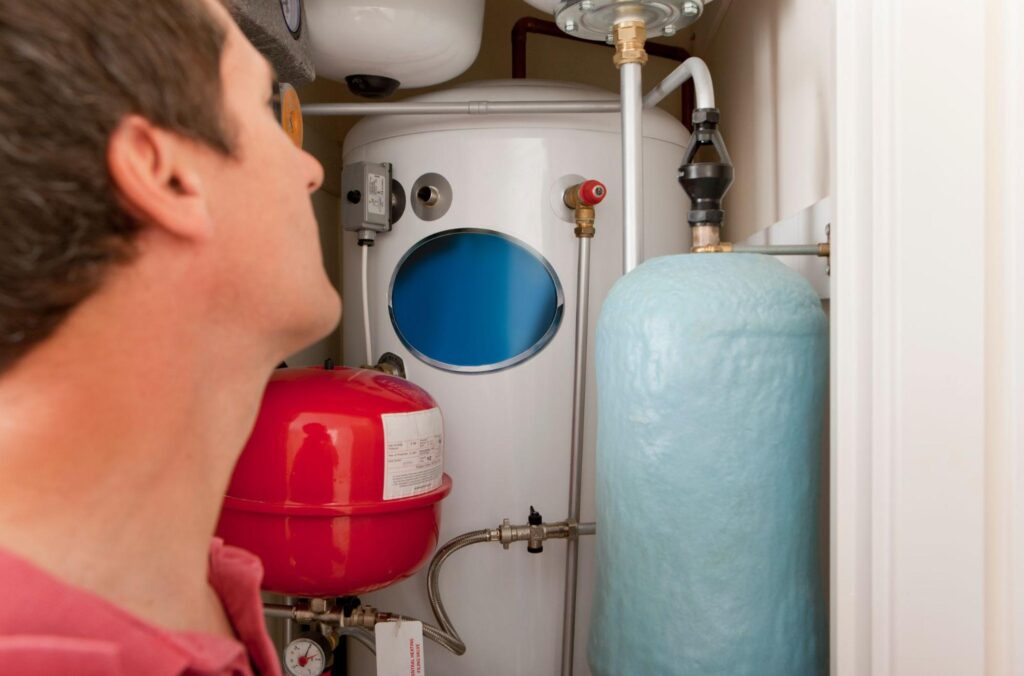
Boiler pressure maintenance means keeping system pressure within the optimal operating range—typically 1-1.5 bar (14–22 psi) for many residential systems—so the heating circuit circulates water properly without stressing components. Pressure that is too low causes loss of heat and flow problems, while pressure that is too high stresses seals and safety valves; both conditions reduce efficiency and can lead to leaks or shutdowns. Regularly reading the pressure gauge, knowing how to repressurize safely, and recognizing when pressure swings indicate an expansion tank or relief valve problem are core skills for homeowners. The three-step checklist below provides a concise procedure for checking and managing pressure.
Simple steps to check and adjust boiler pressure:
- Step 1: Read the gauge: Confirm current pressure when the system is cold; normal is around 1–1.5 bar.
- Step 2: Repressurize if low: Follow the manufacturer’s valve procedure to add water until pressure is in range, then monitor for loss.
- Step 3: Call a technician if unstable: Repeated pressure loss, rapid spikes, or leaks indicate a failing expansion tank, a failing relief valve, or a hidden leak.
These steps let homeowners address routine pressure needs while signaling when to escalate to professional diagnostics.
How Do You Read and Interpret a Boiler Pressure Gauge?
A boiler pressure gauge displays system pressure in bar and often psi; reading it when the system is cold establishes a baseline near 1–1.5 bar (12–22 psi) for many domestic systems. If the gauge shows a slow, steady decline over days to weeks, that pattern often signals a leak or automatic air-bleed loss, whereas sudden drops after bleeding a radiator may indicate system water loss that requires repressurization. Conversely, frequent pressure spikes during heating suggest a faulty expansion vessel or a stuck pressure relief valve, both of which increase the risk of corrosion. Regularly documenting gauge readings after manual interventions helps technicians diagnose intermittent issues efficiently.
Interpreting gauge behavior over time is a diagnostic tool: consistent monitoring creates a pressure trend that guides whether DIY repressurization is adequate or a professional inspection is needed.
What Are Common Causes and Fixes for Low or High Boiler Pressure?
Several recurring causes of low pressure include small system leaks, recently bled radiators, or an under-pressurized expansion tank; each often has a clear homeowner check before calling a pro. Common remedies include repressurizing through the filling loop and visually inspecting radiator valves and pipe joints for drips; if pressure repeatedly drops, a technician should test for hidden leaks or replace a failing expansion vessel. High pressure is commonly caused by overfilling, a failing pressure relief valve, or water expansion without a functional expansion tank; temporary fixes like bleeding radiators may reduce pressure, but persistent high-pressure events require valve or tank replacement. For safety, when the pressure relief valve discharges or major leaks appear, shut down the system and contact a professional.
The homeowner’s tactic is to perform basic checks and carefully repressurize, while recognizing that repeated or severe pressure excursions are signs that professional repair is required.
What Are the Signs Your Boiler Needs Professional Repair or Service?
A boiler in need of professional attention usually signals itself through clear symptoms that go beyond routine homeowner checks; recognizing these red flags quickly reduces risk to comfort and safety. Common warning signs include loss of heat or hot water, persistent leaks, unusual noises such as kettling or banging, frequent pressure loss, pilot-light problems, and sudden spikes in energy bills. Each symptom has plausible DIY checks—like resetting a thermostat or repressurizing—yet many of these issues indicate underlying mechanical or combustion problems that require certified diagnostics. The list below highlights the primary signs that should prompt a call to a professional.
Primary red-flag symptoms that usually require professional service:
- No heat or no hot water: System fails to produce heat despite normal controls.
- Persistent leaks: Visible water around the boiler or radiators that does not stop.
- Strange noises: Banging, kettling, or gurgling that indicate scale, air, or pump issues.
- Pressure instability: Repeated low/high pressure after correct adjustments.
- Pilot light problems: Flame color changes or failure to remain lit.
- Unexplained high energy bills: Sudden efficiency loss suggesting combustion or circulation problems.
Homeowner checks may resolve temporary issues, but many of these symptoms require trained inspection to prevent damage or safety hazards.
How to Identify No Heat, Strange Noises, or Leaks in Your Boiler System?
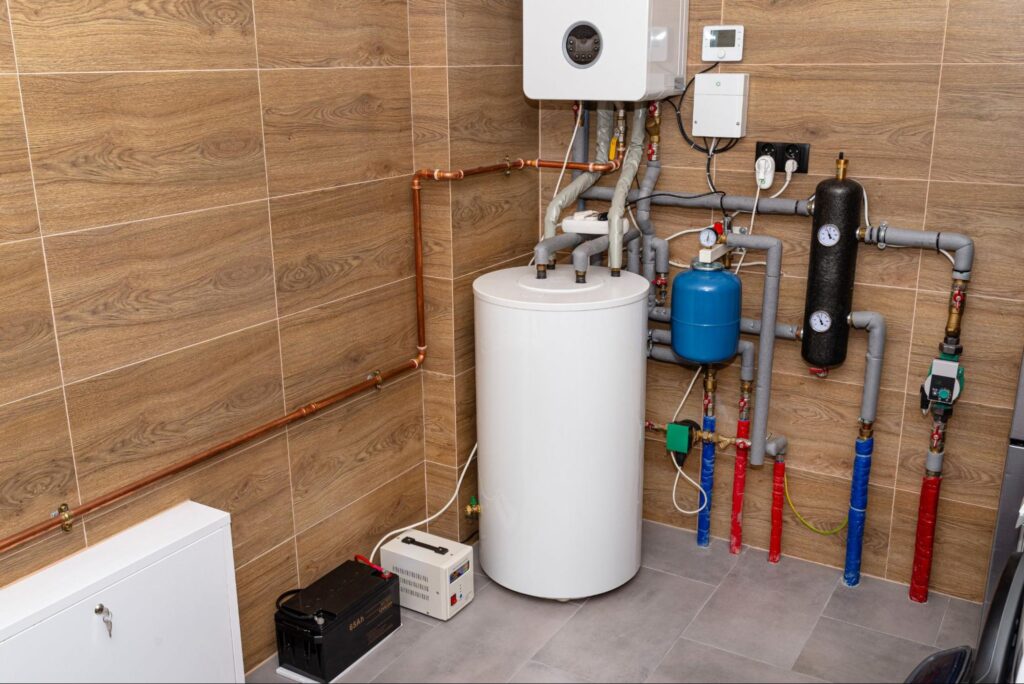
When a boiler produces no heat, start with safe, basic checks: confirm the thermostat is set for heat, check that circuit breakers and gas supply are on, and glance at the pressure gauge. Strange noises like kettling (scale-caused boiling) or banging often indicate circulation issues or scale buildup; listening during startup and noting when noises occur helps pinpoint whether the pump, air in the system, or heat-exchanger scale is responsible. Visible leaks require immediate attention—trace the source, note whether it’s from joints, valves, or the boiler body, and shut down the system if leaks are large. Safe homeowner diagnostics help triage the problem, but should conclude with contacting a technician for any combustion, leak, or persistent operational issue.
Documenting what you observe (time, conditions, and recent maintenance actions) expedites professional diagnosis and repair when the technician arrives.
How Can You Maximize Boiler Efficiency and Extend Its Lifespan?
Maximizing efficiency involves routine homeowner actions and targeted professional services that, together, reduce fuel use and component wear; these include bleeding radiators, insulating pipes, optimizing thermostat schedules, and scheduling combustion tune-ups with a technician. Efficiency gains come from improved heat transfer, reduced cycling, and clean combustion surfaces—each action maps to measurable improvements in runtime and fuel consumption. Deciding between continued maintenance and replacement depends on age, repair frequency, and efficiency loss; upgrading to a high-efficiency boiler can yield substantial savings when older units lose more than 20–30% efficiency. The table below compares DIY tasks and professional services to clarify expected impacts and help homeowners prioritize investments.
| Task/Service | Required Skill | Frequency | Impact on Efficiency |
|---|---|---|---|
| Bleeding radiators | Basic homeowner | Monthly as needed | Moderate |
| Pipe insulation | Basic homeowner | Once (check annually) | Moderate |
| Combustion tune-up | Certified technician | Annually | High |
| Heat exchanger cleaning | Certified technician | Every 2–3 years | High |
| System balancing | Certified technician | After major work | High |
This comparison shows how homeowner tasks maintain daily performance while professional services deliver larger, longer-lasting efficiency improvements.
What DIY Tasks Help Improve Boiler Performance and Energy Efficiency?
Safe homeowner tasks that consistently improve performance include bleeding radiators to remove trapped air, which reduces heat transfer; insulating exposed hot water pipes to reduce distribution losses; and programming thermostats to lower setpoints during inactive hours to reduce runtime. Regularly checking the pressure gauge and repressurizing when safe prevents inefficient pump behavior, while keeping vents and flues clear ensures proper combustion airflow. These tasks are low-skill but produce measurable efficiency benefits when done regularly; however, avoid attempting combustion adjustments or internal cleaning yourself, as those require certification and specialized tools. Implementing these DIY tasks provides immediate comfort improvements and reduces fuel consumption until professional maintenance delivers deeper efficiency gains.
Documenting DIY actions helps technicians fine-tune professional services and confirms whether persistent inefficiencies are due to component wear rather than simple maintenance deficits.
What Are Essential Boiler Safety Tips and Carbon Monoxide Awareness?
Essential boiler safety centers on proper ventilation, functioning safety devices, and knowing emergency steps for gas or CO incidents; carbon monoxide detectors, correct flue operation, and trained professional inspections form the backbone of safe boiler ownership. CO is an odorless, colorless gas produced by incomplete combustion, so detectors installed near sleeping areas and on each level are critical safeguards. Pilot light color and behavior, venting integrity, and periodic technician-combustion testing reduce CO risk and maintain safe operation. The table below lists common safety devices, their purposes, recommended placement, and when immediate action is required to help homeowners prepare an emergency plan.
| Device/Action | Purpose | Placement / When to Act |
|---|---|---|
| Carbon monoxide detector | Detects CO leaks | Outside sleeping areas, test monthly; evacuate if alarm sounds |
| Pressure relief valve | Prevents overpressure | On boiler; call pro if it discharges regularly |
| CO/combustion check by technician | Confirms safe combustion | Annual or when flame/pilot changes color |
| Vent/flue inspection | Ensures proper exhaust | Annually; act immediately for blockages or damage |
This table clarifies which devices protect occupants, where to install them, and which responses are necessary during suspected hazards.
How Do Carbon Monoxide Detectors Protect Your Home from Boiler Risks?
Carbon monoxide detectors continuously monitor indoor air for CO levels and provide early warning so occupants can evacuate and seek emergency help before harmful exposure occurs. Best-practice placement includes at least one detector on each level and outside sleeping areas; detectors should be tested monthly and batteries replaced per manufacturer guidance to ensure readiness. If a CO alarm sounds, immediately evacuate, call emergency services from a safe location, and avoid re-entering until the area is declared safe; afterwards, have a qualified technician inspect the boiler and venting. Maintaining detectors and documenting tests creates a safety record that complements professional combustion inspections and reduces the risk of undetected CO exposure.
Detector maintenance and prompt evacuation protocols form a paired strategy of detection plus action that protects residents while technicians diagnose and remediate combustion issues.
What Should You Do If Your Boiler’s Pilot Light Is Yellow or Flickering?
A normal pilot flame is steady and blue; a yellow or flickering pilot can indicate incomplete combustion, soot buildup, or dirty burners that increase carbon monoxide risk and reduce heat transfer efficiency. For safety, if you see a yellow flame, do not run the system for extended periods—ventilate the area, extinguish any open flames, and contact a licensed technician to inspect combustion and flue integrity. Avoid DIY adjustments to gas controls or burner components, as incorrect interventions can exacerbate CO production and void warranties. A professional inspection will include combustion analysis, burner cleaning, and adjustments to restore safe, blue-flame combustion.
Promptly addressing abnormal pilot behavior prevents unsafe operation and reduces the likelihood of CO-related emergencies in the household.
How Should You Prepare and Winterize Your Boiler for St. Clair County’s Cold Season?
Preparing your boiler for Michigan’s cold season combines mechanical checks, insulation, and behavioral adjustments to prevent freeze-related damage and ensure reliable heating when temperatures drop. Winterization tasks include insulating exposed condensate and supply lines, verifying thermostat setback schedules to avoid deep night drops, checking condensate traps and external vents for debris, and confirming that pressure and expansion components are within range. Performing these steps in the fall, before sustained cold, helps identify issues that would otherwise require emergency repairs during freezing weather. The numbered checklist below provides the top winter-prep steps homeowners should complete or schedule with a technician.
Top 5 winterization steps for St. Clair County boilers:
- Insulate exposed pipes and condensate lines to prevent freezing and condensate blockages.
- Schedule a fall professional service to verify combustion, flue, and safety controls before heating season.
- Confirm thermostat schedules and avoid significant overnight setbacks that risk frozen pipes.
- Clear external vents and condensate outlets of debris and check for proper drainage.
- Document pressure readings and recent maintenance so technicians can spot trends quickly.
Completing this checklist reduces freeze-related failures and ensures the heating system starts the cold season in a reliable state.
How Does Seasonal Maintenance Improve Boiler Reliability During Michigan Winters?
Seasonal maintenance reduces winter failures by identifying degraded components, correcting combustion inefficiencies, and ensuring that venting and condensate systems function in freezing conditions, thereby lowering the risk of midwinter breakdowns. Local-season examples include technicians replacing failing seals that leak under cold contraction, insulating condensate traps to prevent ice blockages, and recalibrating controls so the system cycles less frequently and runs more efficiently. Homeowners who perform fall maintenance report fewer emergency calls and steadier energy use during prolonged cold spells, because minor issues are resolved before stress from continuous operation accumulates. Scheduling maintenance before the heating season and documenting findings forms an emergency plan that considerably improves reliability when St. Clair County faces extreme cold.
Regular seasonal maintenance pairs homeowner prevention with professional corrections, creating a robust strategy that keeps boilers running safely and efficiently throughout Michigan winters.
Don’t Let Small Problems Become Costly Repairs
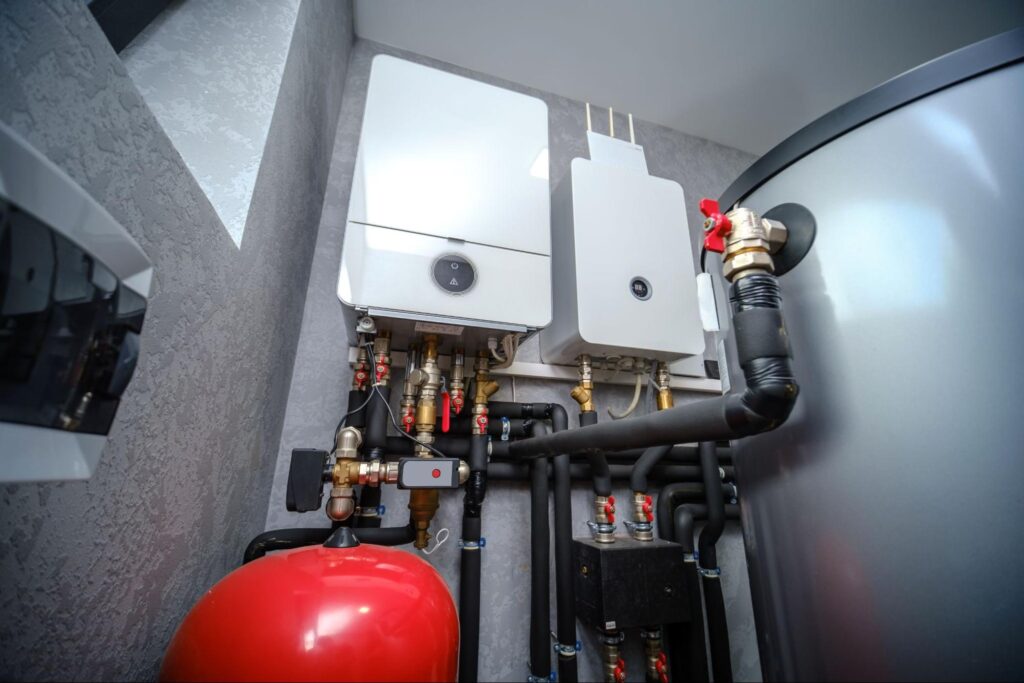
Preventative maintenance is the name of the game when it comes to boiler longevity in St. Clair County. At S&P Heating, we offer annual tune-ups, safety inspections, and fast-response service to keep your system humming all winter long. A little upkeep goes a long way in preventing emergency breakdowns and extending the life of your investment.
Whether you’ve got a brand-new unit or a trusty old boiler, give us a call today to set up your maintenance plan and keep things running smoothly.
FAQ: Boiler Maintenance 101
How often should you schedule boiler maintenance?
Once a year is ideal. Annual service checks help catch issues early and keep your system running efficiently.
What are the signs your boiler needs attention?
Unusual noises, uneven heating, and water leaks are common red flags. Don’t wait—these issues can worsen quickly.
Can you handle some boiler maintenance yourself?
You can check for leaks or strange sounds, but deeper maintenance—like pressure checks and safety valve testing—should be left to the pros.
Need Emergency Help? Check Out Our HVAC Repair Budgeting Guide
Sometimes systems break—unexpectedly. Read our next article: Essential Guide to Budgeting for Emergency HVAC Repairs in Anchorville: What Homeowners Need to Know.