Energy-efficient heating systems keep your home comfortable while using less energy and lowering monthly bills. By combining smarter components and controls, these systems extract more usable heat from each unit of fuel or electricity, reducing running costs over time. With energy prices rising in many areas, it helps to understand the real benefits and trade-offs. This article explains common, efficient heating options, their potential savings, environmental benefits, and why professional installation and maintenance matter. You’ll leave with practical steps to cut costs and shrink your home’s carbon footprint.
What Are the Main Types of Energy-efficient Heating Systems?
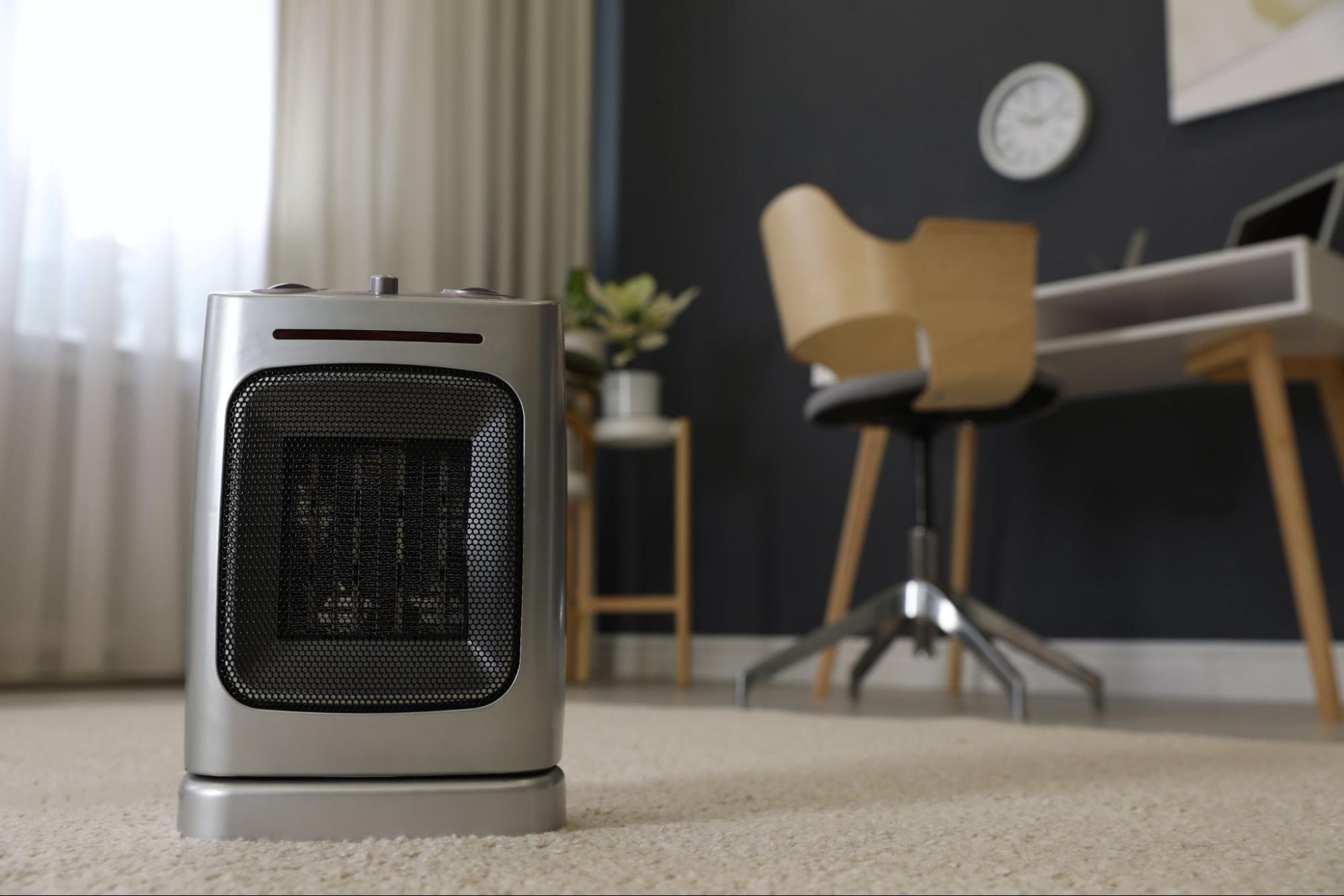
Energy-efficient heating covers several technologies that focus on saving energy and reducing emissions. The most common options are high-efficiency furnaces, heat pumps, and smart thermostats. Each takes a different approach to improve performance and lower operating costs.
How Do High-Efficiency Furnaces Save Energy and Reduce Costs?
High-efficiency furnaces rely on improved combustion designs and more effective heat exchangers to capture additional heat from the fuel. Many models reach 90% AFUE or higher, meaning most of the fuel is converted into usable warmth. That higher efficiency reduces fuel use and monthly bills. Over time, lower operating costs can offset the initial purchase and installation, making high-efficiency furnaces a sound long-term investment.
What Benefits Do Heat Pumps Offer for Home Heating Efficiency?
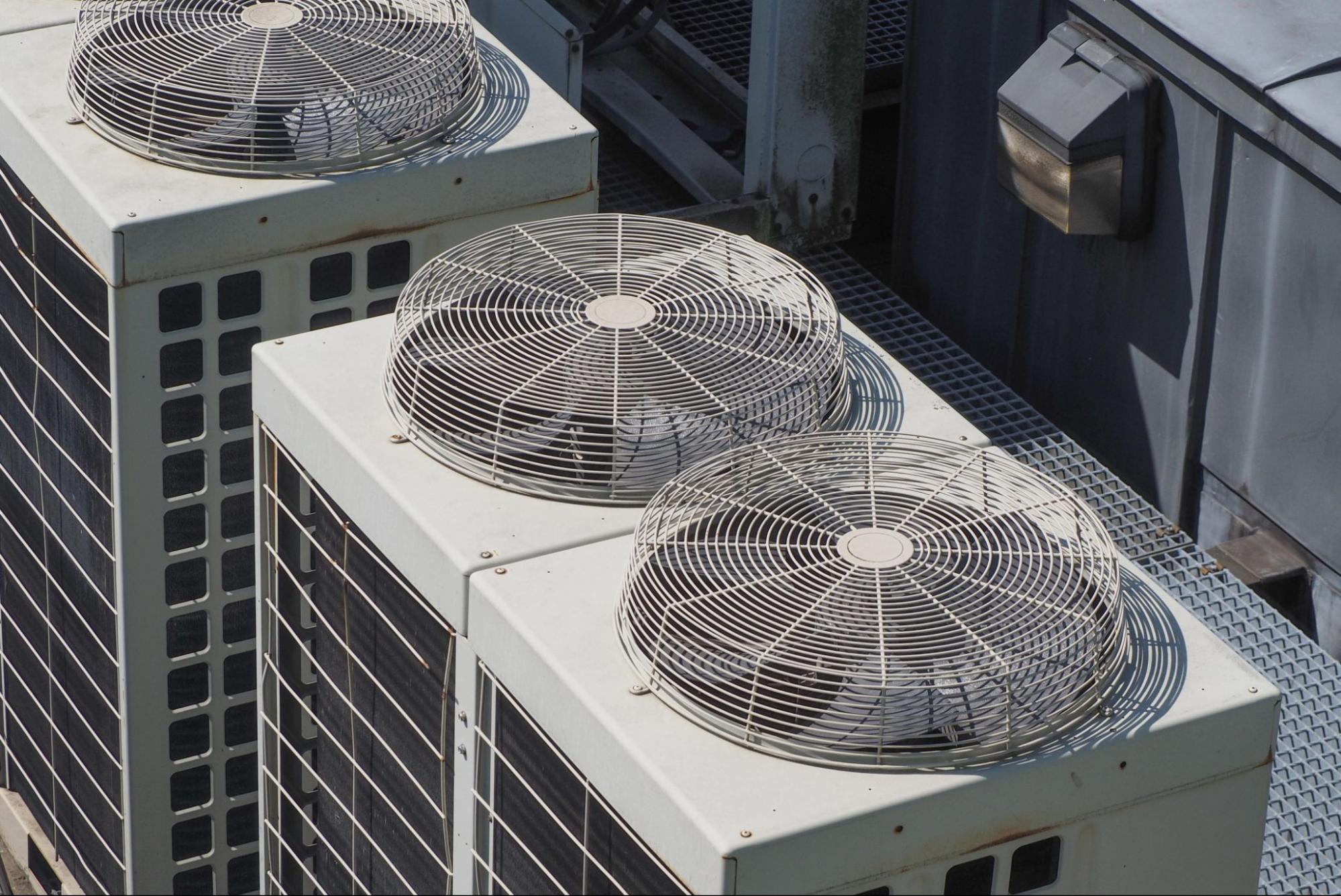
Heat pumps transfer heat rather than generate it, drawing warmth from the air or ground and moving it indoors. Because they move heat rather than generate it, heat pumps can reduce energy use by roughly 30–50% compared with conventional heating, depending on climate and system type. Many heat pumps also provide cooling in summer, delivering efficient, year-round climate control.
How Can Homeowners Achieve Significant Cost Savings with Energy-efficient Heating?
Homeowners save money by choosing efficient equipment and adopting smarter energy practices. Comparing expected savings, upfront costs, and available incentives helps identify the most cost-effective option for your home.
What Is the Return on Investment for Energy-efficient Heating Systems?
Return on investment varies with system cost, local energy prices, and how the home is used, but many homeowners see payback in about 3 to 7 years through lower energy bills. Utility rebates and government incentives can shorten that payback period and improve overall savings.
How Do Smart Thermostats Enhance Home Heating Energy Savings?
Smart thermostats boost efficiency by learning household routines and adjusting temperatures when you’re away. They provide remote control, adaptive schedules, and automated setbacks to prevent energy waste. Typical savings are around 10–12% for heating, and built-in usage reports make it easier to find additional ways to save.
What Are the Environmental Benefits of Using Energy-efficient Heating Options?

Energy-efficient heating reduces greenhouse gas emissions and lowers a home’s overall carbon footprint. Using less energy means burning less fossil fuel, which helps cut pollution and supports broader climate goals.
How Do Energy-efficient Systems Reduce Emissions and Environmental Impact?
Efficient systems reduce emissions by consuming less energy to deliver the same level of comfort, thereby lowering CO2 and other pollutants released into the atmosphere. Switching from older equipment to a high-efficiency furnace or heat pump can make a noticeable difference at the household level and contribute to wider emissions reductions.
Which Environmentally Friendly Heating Technologies Are Available?
Homeowners can choose from several low-impact heating technologies, including geothermal heat pumps, solar heating systems, and biomass boilers. Geothermal systems use the earth’s stable temperature for very efficient heating and cooling. Solar heating captures the sun’s energy to warm water or air. Biomass boilers burn renewable organic fuels, like wood pellets, as an alternative to fossil fuels. Each approach has specific benefits and trade-offs, but can reduce reliance on conventional fuels.
What Installation and Maintenance Services Support Energy-efficient Heating Systems?
Proper installation and ongoing maintenance are essential to keep efficient heating systems performing at their best. Professional services protect both efficiency and safety while preserving the system’s lifespan.
Why Is Professional Installation Important for Energy-efficient Furnaces and Heat Pumps?
Correct installation ensures systems operate safely and at peak efficiency. Poor installation can reduce performance, increase energy costs, and pose safety hazards. Certified technicians install equipment to manufacturer specs and local codes, helping homeowners realize the system’s full benefits.
How Does Regular Maintenance Maximize Energy Savings and System Longevity?
Routine maintenance keeps systems running efficiently and extends their useful life. Annual inspections, cleaning components, checking for leaks, and calibrating controls catch small issues before they become costly repairs and help maintain consistent energy savings.
Upgrade to Energy-Efficient Comfort Today

Energy-efficient heating systems don’t just lower monthly bills; they provide better performance, improved air quality, and long-term reliability. Whether you’re upgrading an outdated furnace or exploring modern alternatives like heat pumps, efficiency should always be a top priority.
At S&P Heating, we help New Baltimore homeowners choose systems that balance cost, comfort, and sustainability. If you’re ready to explore energy-saving heating options, contact us today to schedule a consultation and find the solution that best fits your home.
FAQ
What makes a heating system energy-efficient?
High AFUE ratings, advanced blower motors, and smart thermostat compatibility all contribute to improved efficiency.
Do energy-efficient systems require special maintenance?
Maintenance requirements are generally similar to those of standard systems, though some advanced components may require specialized servicing.
How quickly can you see savings after upgrading?
Savings depend on your previous system’s efficiency and usage patterns. Many homeowners notice lower bills within the first heating season.
Explore More Heating & Cooling Insights
Looking for more practical tips and expert guidance? Visit the S&P Heating blog to explore our full collection of HVAC articles designed to keep your New Baltimore home comfortable year-round.