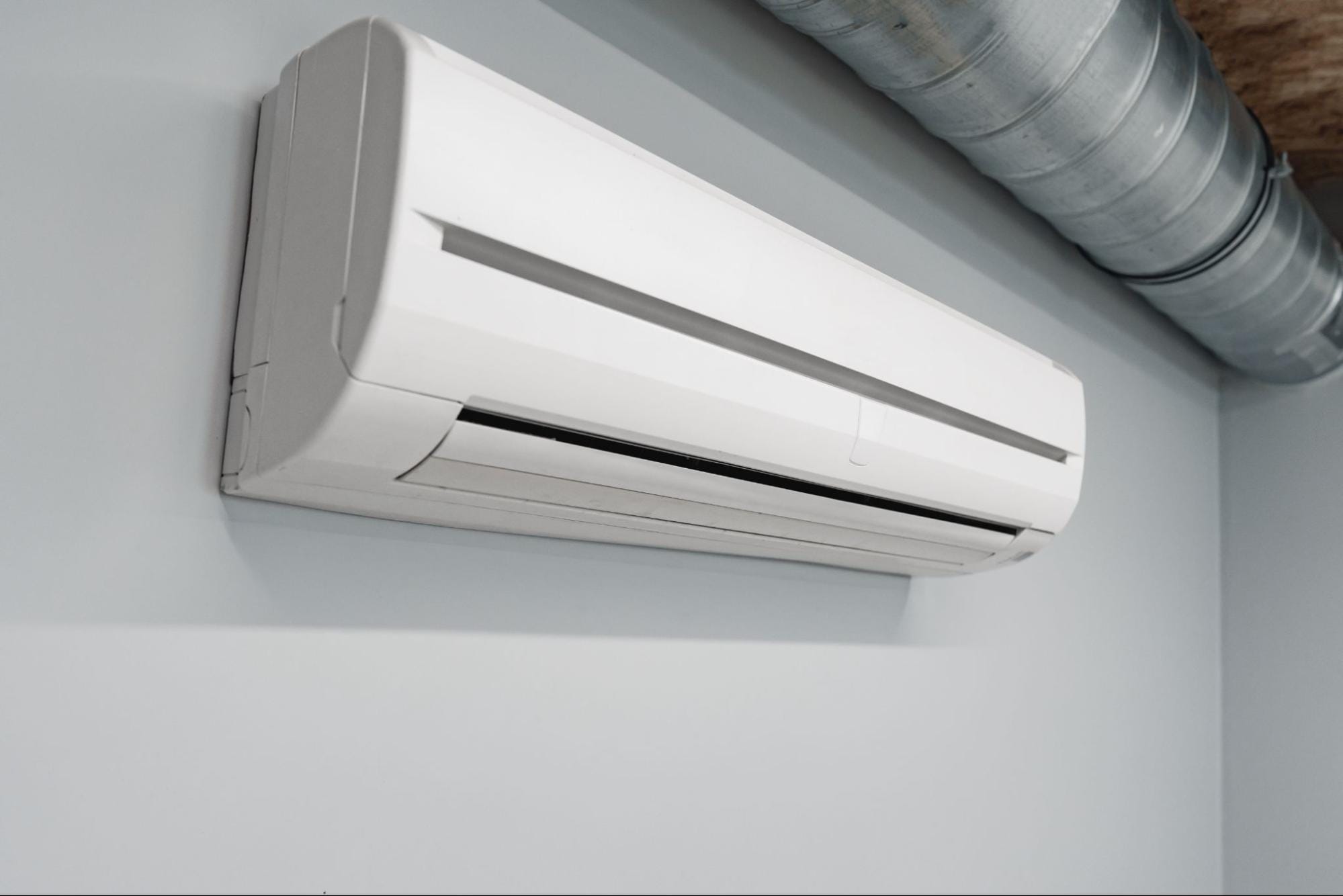
Choosing the right mini split model for a home in St. Clair County is not just about grabbing the highest efficiency rating and calling it a day. Around here, you have to think about real-world stuff: cold winters, sticky summer humidity, lake-effect weather swings, and the fact that a lot of homes in this area have additions, bonus rooms, basements, sunrooms, or older layouts that never heat and cool evenly. That is exactly why mini-splits have become such a smart option for many homeowners. When they are selected and installed properly, they give you better comfort, better control, and lower energy waste. But not every model makes sense for every home. This guide breaks down the mini-split brands, features, efficiency ratings, installation considerations, and maintenance habits that matter most to St. Clair County homeowners who want comfort that actually holds up season after season.
Why Mini Splits Make Sense in St. Clair County
Mini splits are a great fit for many homes in this part of Michigan because they address problems that central systems often struggle with. We see this all the time in St. Clair County: upstairs bedrooms that stay too warm, four-season rooms that are freezing in January, older homes with no ductwork in part of the house, or basements that feel damp and chilly no matter what the thermostat says.
A good mini split system gives you targeted control. Instead of heating or cooling the whole house the same way, you can focus on the spaces that need the most help. That is a big deal when you are dealing with Michigan weather that can shift fast, especially near the lake. One week, you are fighting a deep freeze, and the next week, you are dealing with cold rain and humidity. A properly chosen mini split helps smooth that out.
What to Look for in a Mini Split Model
The best mini-split isn’t always the fanciest one. It is the one that matches your home, your layout, and the way you actually use the space.
A few things matter more than homeowners sometimes realize:
Understanding Efficiency Ratings Without Overcomplicating It
This is a big one in Michigan. Some mini splits do a great job in mild climates, but start losing steam when outdoor temperatures really drop. In St. Clair County, you want a system built to keep working through the kind of winter weather we actually get. That means looking beyond marketing language and paying attention to real heating performance in cold conditions.
Inverter Technology
This is one of the features that really sets mini-splits apart. Instead of constantly cycling on and off, inverter-driven systems adjust output to the room’s needs. That means steadier temperatures, less wasted energy, and less wear on the equipment over time.
Multi-Zone Capability
If you are dealing with multiple trouble areas in the house, a multi-zone mini-split can make a lot of sense. It gives you flexibility to control separate rooms or sections of the home without over-conditioning spaces you are barely using.
Sound Levels
A quieter system matters more than people think, especially in bedrooms, offices, nurseries, or family rooms. The better mini split models tend to run very quietly indoors, which is one reason homeowners love them once they are installed.
Mini Split Brands That Stand Out for St. Clair County Homes
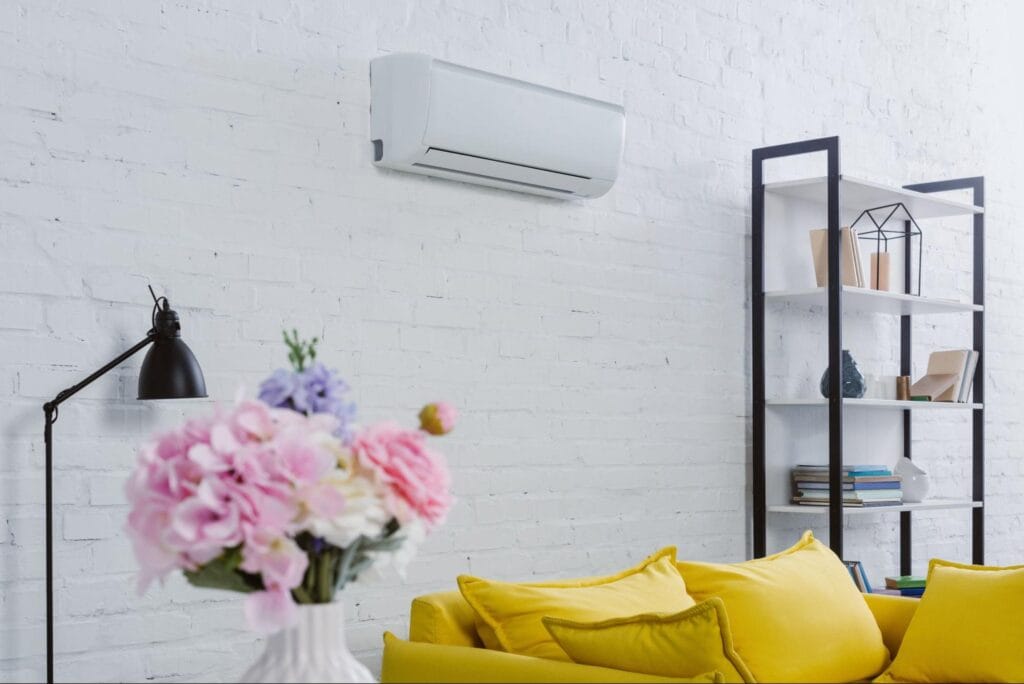
There are a few brands that keep coming up for good reason. In the current era, Mitsubishi,Make the Right Mini Split Choice for Your Home Daikin, and Fujitsu are always highlighted as solid names in the mini-split world. Each brings something useful to the table, especially when installed correctly and matched to the right space.
Mitsubishi
Mitsubishi has built a strong reputation for reliability, efficiency, and quiet operation. Their systems are often a good fit for homeowners who want strong performance and dependable cold-weather operation. In homes around St. Clair County where comfort consistency matters, Mitsubishi usually stays high on the shortlist.
Daikin
Daikin offers smart controls, good efficiency, and a compact design that works well in many residential settings. If a homeowner wants modern controls and a system that balances comfort with energy savings, Daikin is often worth a serious look.
Fujitsu
Fujitsu systems are known for flexibility and strong efficiency ratings. They tend to work well in spaces where layout or installation conditions are a little more challenging.
Midea
Midea has become more popular as homeowners seek value-driven ductless solutions. In the right application, Midea mini splits can be a practical fit for additions, smaller homes, and rooms where targeted comfort matters more than a full-scale system overhaul.
Bryant
Bryant is another brand worth discussing, especially for homeowners who already know the name from traditional HVAC systems. Bryant’s ductless options can be a good fit for homeowners who want an energy-conscious option from a brand with broad recognition in the heating and cooling industry.
Understanding Efficiency Ratings Without Overcomplicating It
Efficiency ratings matter, but they are not the whole story. Still, they do help narrow down your options.
SEER
SEER tells you how efficiently a system cools over a season. The higher the number, the less energy it generally uses to provide the same level of cooling. In a humid St. Clair County summer, that matters.
EER
EER looks at efficiency under more demanding conditions. This can be useful when you want a better sense of how the system may hold up during hotter stretches.
HSPF
HSPF focuses on heating efficiency. Since this is Michigan, you definitely want to pay attention to that side of the performance picture too.
Higher ratings can absolutely help lower operating costs, but you still need to pair that with correct sizing and quality installation. A high-efficiency unit installed poorly will still disappoint you.
Installation Still Makes or Breaks the System
A great mini-split can perform poorly if the installation is sloppy. This is one of the biggest things homeowners should understand.
A proper install starts with a real site assessment. That means looking at where the indoor and outdoor units should go, how the line sets will run, how drainage will work, and how the system will actually serve that room or zone. It should not be guesswork.
How Mini Splits Lower Energy Costs in Real Homes
Mini splits reduce energy waste because they don’t try to treat the whole house the same way. That is one of their biggest strengths.
If you are heating or cooling only the rooms you actually use, you are not wasting money on rarely used spaces. That is especially helpful in homes where one part of the house always feels out of place compared to the rest.
And around here, that shows up in a lot of practical situations:
- finished basements
- upstairs bedrooms
- home offices
- garage conversions
- enclosed porches
- additions that were never tied into the original ductwork correctly
A mini split can be the fix for those areas without forcing you into a full HVAC redo.
Maintenance Matters More Than People Think
Mini splits are efficient, but they are not maintenance-free. If homeowners ignore them, performance drops. That usually starts with dirty filters and can turn into reduced airflow, weaker heating and cooling, higher energy use, and more strain on the system.
Coil cleaning and drain line inspection are also worth paying attention to. That is especially true in humid months, when moisture buildup can create headaches if drainage is ignored.
Make the Right Mini Split Choice for Your Home
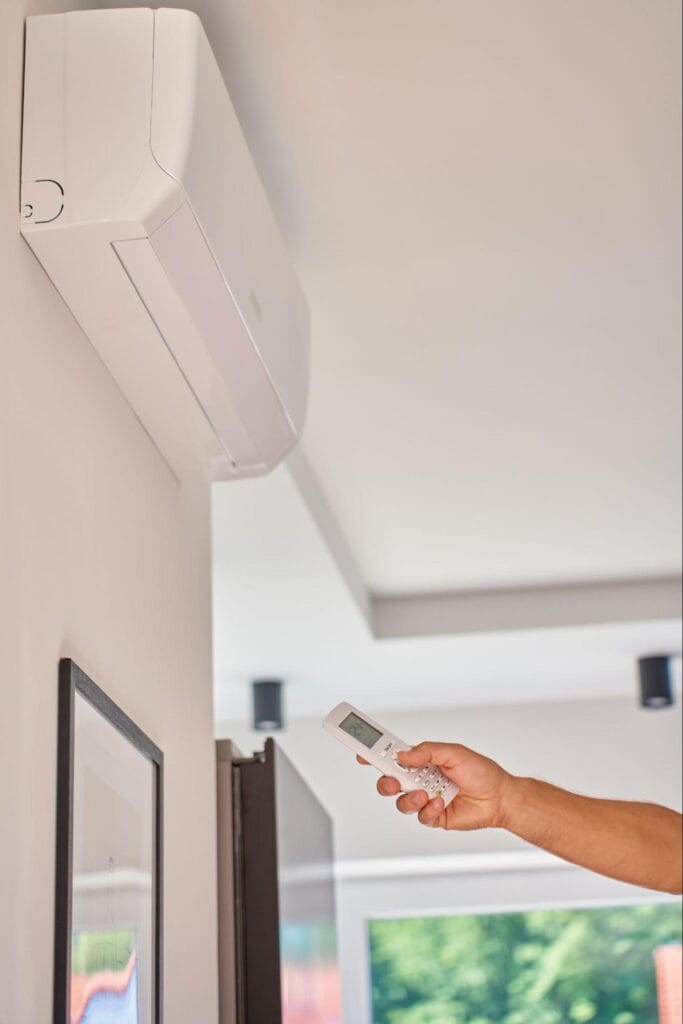
If you are trying to figure out whether a mini split makes sense for your St. Clair County home, the real question is not just which brand is best, but which system will solve your actual comfort problem without wasting money? Maybe your upstairs is always warmer than the rest of the house. Maybe you want a more efficient option for a room you use every day, but your main system just doesn’t perform well there.
That is where S&P Heating can help. We work with homeowners across St. Clair County to make real decisions about sizing, cold-climate performance, energy efficiency, and long-term value. We can help you decide whether a Mitsubishi, Daikin, Fujitsu, Midea, Bryant, or another ductless option makes the most sense for your layout and goals. If you want a mini split that is not just efficient on paper but actually performs through Michigan winters, humid summers, and everything in between, contact us today, and let’s talk through the right fit for your home.
FAQ
How long do mini split systems typically last?
Mini split systems usually last between 12 and 20 years with proper maintenance. Regular cleaning and annual servicing can help extend their lifespan and maintain efficiency.
Are mini-splits suitable for large homes?
Yes, multi-zone mini split systems can effectively heat and cool larger homes. The key is proper system design and placement of indoor units.
Do mini splits require a lot of maintenance?
They require less maintenance than traditional systems, but filters should be cleaned regularly, and professional servicing should be done annually.
Next Up: How Mini Split Installation Works
Want to know what happens during installation? Read our next article: “Mini Split Installation Steps for St. Clair County Homes: A Professional Guide to Efficient HVAC Solutions.”